
For decades, mobile homes have carried a heavy burden of misconceptions. Despite being a major part of affordable housing in America, many people still believe false information about them. These common lies told about mobile homes have created unnecessary stigma and confusion, discouraging potential buyers from considering an option that could provide comfort, security, and financial freedom.
In reality, modern mobile homes are safe, stylish, and durable. With federal housing standards and modern design innovations, today’s manufactured homes offer the same quality of life as traditional houses — at a much lower cost. It’s time to separate fact from fiction and uncover the truth behind the most persistent myths about mobile homes.
Understanding the Negative Perception of Mobile Homes
Mobile homes have long been misunderstood and unfairly labeled. Terms like “trailer trash” continue to paint millions of honest homeowners in a negative light. More than 17 million Americans live in mobile homes, representing over 2 million households across the country — hardly a niche or insignificant group.
Yet, common lies told about mobile homes still circulate widely, from old-fashioned rumors to misleading articles online. Much of this misinformation stems from outdated views of mobile homes built before the 1976 HUD Code, which introduced strict federal safety and construction standards.
Today’s mobile homes, also known as manufactured homes, must meet the same safety requirements as traditional houses. They’re tested for fire resistance, wind durability, and energy efficiency — meaning they’re safer and more reliable than ever before. Let’s take a closer look at the top three lies that still persist.
Lie #1: Mobile Homes Are Not Real Homes
One of the most damaging myths is that mobile homes aren’t “real homes.” This couldn’t be further from the truth. Since June 1976, all manufactured homes have been built under the strict supervision of the U.S. Department of Housing and Urban Development (HUD). This means that no home can be sold without meeting these rigorous national standards for construction, strength, and safety.
Modern mobile homes are built in controlled environments using advanced materials and technologies. They include all the same features you’d expect in a traditional home — plumbing, insulation, heating systems, and energy-efficient windows. Once installed on a foundation, they function just like any other home.
The misconception likely stems from confusing mobile homes with RVs or travel trailers. Unlike recreational vehicles, mobile homes are designed for long-term residential living. They can be anchored to the ground and connected to permanent utilities, giving them the same residential stability as a traditional brick-and-mortar property.
If anything, calling them “not real homes” dismisses the millions of families and retirees who have made these dwellings their long-term residences.
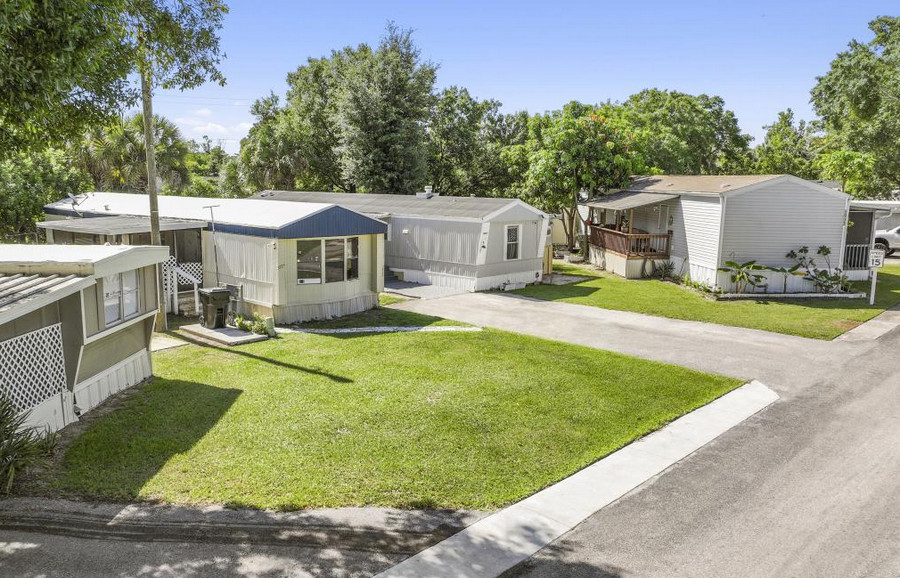
Lie #2: Land Lease Communities Are Financial Rip-offs
Another one of the common lies told about mobile homes is that land lease communities—or mobile home parks—are financial scams. Many critics argue that paying monthly lot rent is a waste of money. However, this claim ignores the real value that these communities provide.
When you own a mobile home in a leased-land community, you pay a monthly lot rent for the space your home sits on. This fee often covers:
- Water, sewer, and trash collection
- Lawn maintenance and landscaping
- Access to park amenities such as pools, clubhouses, and gyms
- Upkeep and insurance for shared community areas
- Neighborhood security and property management
In many cases, these parks also do not charge additional HOA or CDD fees, making them far more affordable than many traditional housing communities.
If you compare what homeowners pay for taxes, utilities, lawn care, and maintenance in a standard neighborhood, mobile home park residents often come out ahead. The idea that land lease living is a “rip-off” simply doesn’t hold up when you consider the convenience, amenities, and cost savings it offers.
Lie #3: Mobile Homes Fall Apart Quickly
This myth might be the most misleading of them all. Many assume that mobile homes are flimsy or won’t last long, but modern data and firsthand experience say otherwise. With proper maintenance, mobile homes can last 50 years or more.
In fact, there are mobile homes from the 1960s still standing strong today — some even in better shape than site-built homes from the early 2000s. The key to longevity lies in regular maintenance, just as it does with any house.
Routine tasks such as inspecting roofs, sealing windows, maintaining HVAC systems, and repairing small issues promptly can extend the lifespan of a mobile home by decades.
Moreover, because mobile homes are designed to be transported, they’re actually built with reinforced frames and structural supports that make them more durable than many people realize. This added strength allows them to withstand weather conditions and physical stress that some traditional homes might struggle with.
Why These Lies About Mobile Homes Still Exist
The persistence of these common lies told about mobile homes often comes down to outdated stereotypes and misinformation. Decades ago, some early models were indeed built with fewer regulations, leading to justified criticism at the time. However, the industry has evolved tremendously since then.
Unfortunately, many media outlets and online platforms continue to recycle these old narratives for attention and ad revenue. Additionally, some people perpetuate the myths out of ignorance, while others do so out of prejudice against affordable housing.
It’s time to move past these outdated notions. Modern mobile homes are safe, affordable, and increasingly stylish options for families, retirees, and anyone looking to own a home without the burden of excessive costs.
Frequently Asked Questions
1. What are the most common lies told about mobile homes?
The most common lies are that they aren’t real homes, they’re poor investments, and they fall apart quickly.
2. Are mobile homes safe during storms?
Yes. Manufactured homes built after 1976 must meet federal HUD standards for wind and fire safety.
3. Do mobile homes always lose value?
No. Value depends on factors like location, upkeep, and local market demand, just like traditional homes.
4. Are land lease communities expensive?
Not usually. Lot rent often includes utilities, amenities, and maintenance, which can save homeowners money overall.
5. Can mobile homes be customized?
Yes. Modern models feature customizable layouts, luxury finishes, and energy-efficient designs.
6. How long do mobile homes typically last?
With proper maintenance, they can last 50 years or more.
7. Do mobile homes require a lot of maintenance?
They require regular upkeep, but no more than a traditional house.
8. Are mobile homes good for retirees?
Absolutely. They’re affordable, easy to maintain, and often located in peaceful, community-focused neighborhoods.
9. What’s included in mobile home lot rent?
Typically, lot rent covers utilities, trash pickup, lawn care, and access to community amenities.
10. Why do people still believe these lies?
Mostly due to outdated information, stigma, and misconceptions spread online or through the media.
Final Thoughts
Mobile homes are not what the myths make them out to be. They’re durable, affordable, and built to meet rigorous safety and quality standards. The common lies told about mobile homes have unfairly shaped public perception, but the truth is simple: mobile homes are real homes that provide real value.
For many people, they represent the perfect balance of comfort and affordability — a smart housing choice in a time when traditional home prices continue to rise.
At The Mobile Home Dealer, we work to educate buyers and sellers about the realities of mobile home living. Don’t let misinformation cloud your judgment — explore the facts, see the homes yourself, and discover why millions of Americans proudly call their mobile home their own.