
Mobile homes continue to attract people looking for affordable and flexible housing solutions. Whether you live in a mobile home park or a trailer park, maintenance and small repairs are a normal part of ownership. The good news is that most of these repairs are simple enough to handle yourself. Understanding how to maintain your home will save money, increase comfort, and keep your property in great condition. In this guide, we’ll explore eight essential mobile home repairs you can easily do yourself, while also highlighting how the mobile home park vs trailer park lifestyle can influence your repair needs.
1. Sealing Leaks and Caulking
Leaks are among the most common issues mobile homeowners face. Areas around windows, doors, and vents often allow water or air to enter if not properly sealed. Start by checking for gaps and cracks, then apply a high-quality caulk to seal them. Add weatherstripping to doors and windows to improve insulation and prevent drafts. This simple DIY project boosts energy efficiency, prevents water damage, and helps maintain a comfortable temperature indoors. If you live in a mobile home park, sealing your unit properly also helps maintain the overall appearance of the community.
Why Regular Sealing Matters
Regularly sealing and inspecting your home can prevent mold, rot, and high energy bills. As the saying goes, prevention is better than cure—and in the mobile home park vs trailer park comparison, maintenance consistency is often what separates well-kept communities from those that deteriorate over time.
2. Floor Repairs and Stabilization
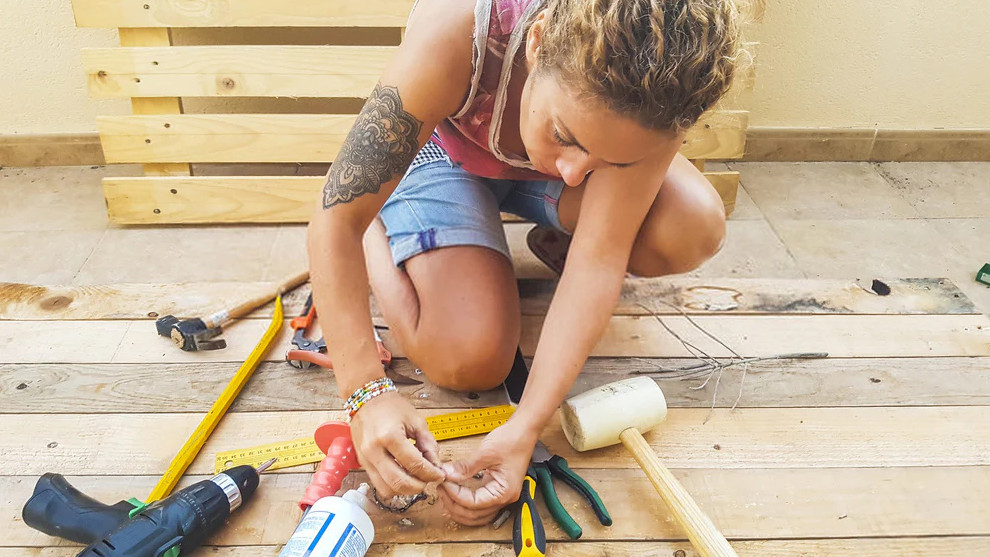
Uneven floors or squeaks are typical in older mobile homes. To fix these issues, locate the source of the sound and secure the subfloor using screws. If you notice soft spots, reinforce them with new plywood or bracing. For uneven floors, add shims or leveling materials where needed. Keeping your floors stable and solid not only improves comfort but also prevents further damage to the structure. Regular inspections can help you detect problems early.
Maintaining Floor Strength
Check under sinks, bathrooms, and near doors for early signs of water damage. Dry any leaks quickly and use a moisture barrier if necessary. With regular attention, you can extend your home’s lifespan without spending thousands on replacements.
3. Skirting Replacement
The skirting around your mobile home serves as a shield against pests and weather elements. It also improves curb appeal and insulation. If you notice damaged or missing panels, replace them using vinyl, metal, or treated wood. Ensure a tight fit around the base to block unwanted entry points for animals and moisture. Replacing your skirting not only boosts appearance but also helps maintain the temperature inside.
Tips for DIY Skirting Installation
Measure carefully before buying new materials. Use vented skirting to maintain proper airflow beneath your home, reducing mold risk and improving energy efficiency. Proper skirting makes a big difference, especially in humid or windy environments.
4. Fixture and Faucet Repairs
Leaky faucets or dripping fixtures can waste gallons of water each day. Fortunately, repairing them is simple. Replace worn washers, O-rings, or cartridges to stop leaks. Tighten loose handles and connections, and check under sinks for moisture. Fixing small leaks quickly helps you avoid bigger plumbing problems later on.
Upgrade for Efficiency
Consider switching to water-efficient faucets or showerheads. These upgrades can cut water costs and make your home more eco-friendly—a popular trend in modern mobile home parks and trailer parks alike.
5. Painting and Wall Repairs
Walls can easily get scuffed or dented over time, especially in high-traffic areas. Begin by patching holes using spackle or joint compound, sanding the surface, and applying primer before painting. Choose light, neutral colors to make rooms appear larger and more welcoming. Painting is one of the simplest yet most impactful ways to refresh your home’s interior.
Boosting Appeal Through Color
A well-painted home improves resale value and enhances comfort. In the mobile home park vs trailer park comparison, curb appeal can also affect park reputation and home desirability—especially if you plan to sell later through a professional like The Mobile Home Dealer.
6. Electrical Repairs
You can safely manage small electrical fixes with basic precautions. Replace outlets, switches, and light fixtures as needed, but always turn off the power before starting. Check for loose wires or flickering lights, which may indicate poor connections. If you encounter a complex issue, contact a professional to avoid safety risks.
Simple Electrical Safety Tips
Use insulated tools, wear rubber-soled shoes, and never handle wiring with wet hands. Label your breaker box for easy access and reference during repairs.
7. Plumbing Fixes
Minor plumbing issues like slow drains or small leaks can often be fixed using simple tools. Tighten fittings, replace washers, and use plumber’s tape on threaded joints to prevent leaks. A good plunger and pipe wrench are must-haves for every homeowner. For persistent clogs or leaks behind walls, though, it’s best to call a licensed plumber.
Maintaining Water Flow
Regularly check for leaks under sinks and around toilets. Addressing small issues quickly helps avoid water damage and mold growth.
8. HVAC Maintenance
Your HVAC system keeps your home comfortable year-round, so regular maintenance is essential. Replace filters every two to three months, clean vents, and ensure air ducts remain clear of dust. Inspect for loose panels or unusual noises that may indicate wear. Simple upkeep can improve air quality and extend your system’s life.
Energy Efficiency at Home
If you notice reduced airflow, clean your vents or contact a professional for duct inspection. Maintaining your HVAC system is one of the most effective ways to lower energy bills and maintain comfort.
Frequently Asked Questions
1. What’s the difference between a mobile home park and a trailer park?
A mobile home park usually features permanent, well-maintained homes, while trailer parks often have more mobile or temporary setups.
2. Can I fix leaks in my mobile home myself?
Yes, most leaks can be fixed with caulk, sealant, or weatherstripping.
3. How often should I replace my skirting?
Inspect it yearly and replace damaged sections immediately to maintain protection.
4. Are DIY electrical repairs safe?
Yes, if minor and handled carefully—but for complex issues, hire a professional.
5. How can I keep my floors from squeaking?
Tighten subfloor screws and use shims to stabilize uneven spots.
6. What type of paint works best for mobile homes?
Use high-quality interior latex paint for walls and primer for smooth finishes.
7. Do I need a permit for mobile home repairs?
Small repairs usually don’t, but major renovations may require one depending on local laws.
8. How often should I replace HVAC filters?
Every two to three months, depending on usage and air quality.
9. Can I install new faucets myself?
Yes, most faucet replacements are simple DIY projects using basic tools.
10. Who can help me find or sell a mobile home?
Contact professionals like The Mobile Home Dealer for trusted guidance and listings.
Final Thoughts
Owning a mobile home offers both freedom and responsibility. By learning to handle these simple repairs, you can protect your investment and enhance your living experience. Whether you live in a mobile home park or a trailer park, regular maintenance builds confidence and self-sufficiency. Over time, your efforts will pay off through reduced repair costs and a home that feels truly your own. So, take charge, stay proactive, and enjoy the satisfaction that comes with maintaining a safe and beautiful mobile home.