
Mobile homes are a popular housing choice in Florida thanks to their affordability, flexibility, and accessibility in desirable coastal and inland communities. However, because the state experiences hurricanes, tropical storms, and high humidity, having the right insurance is essential. A proper guide to mobile home insurance in Florida helps homeowners protect their investment, avoid financial losses, and gain peace of mind. Whether you are purchasing a mobile home for the first time or reviewing your current policy, understanding how insurance works can help you make confident decisions.
Mobile home insurance functions similarly to standard homeowners insurance, but the coverage is designed specifically for manufactured homes. It protects not only the structure of the home, but also your personal belongings, liability risks, and temporary living expenses if your home becomes uninhabitable. Since weather-related damage is one of the most common concerns for Florida residents, choosing a policy that provides adequate storm and wind coverage is crucial. Additionally, knowing which types of coverage are included—and which are not—can help you avoid unexpected costs later.
Understanding your insurance options also allows you to customize your policy based on where you live, the age of your mobile home, and your personal needs. Because insurance rates and requirements vary, reviewing your policy carefully helps ensure that your home is fully protected year-round.
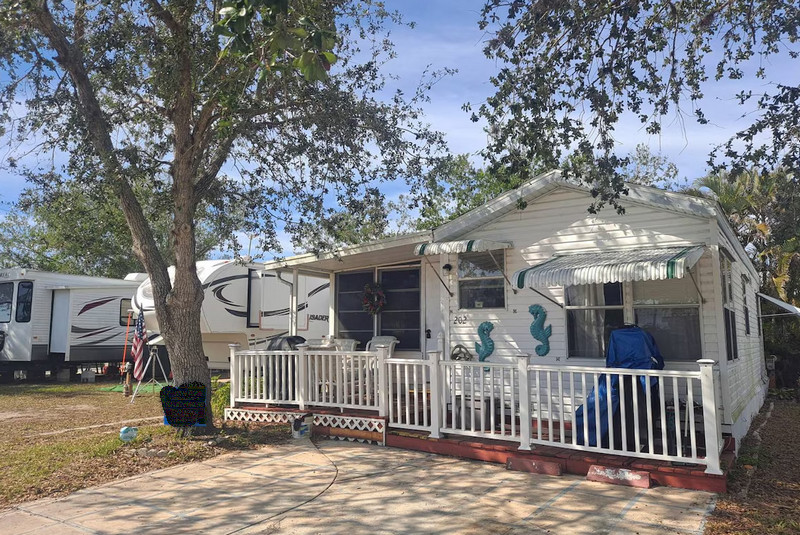
Types of Coverage in Mobile Home Insurance
A standard mobile home insurance policy typically includes several important types of coverage. Each component protects different aspects of your property and financial security.
Dwelling Coverage
Dwelling coverage protects the structure of your mobile home, including walls, roofing, built-in fixtures, and attached structures. If your home is damaged by events such as fire, wind, vandalism, or storms, this coverage helps pay for repair or replacement costs. In Florida, where storm damage is more common, choosing a policy with strong hurricane and wind protection is especially important.
Personal Property Coverage
This coverage applies to your belongings inside the home, such as furniture, clothing, appliances, and electronics. If your items are stolen or damaged by a covered event, personal property insurance helps replace them. High-value items may need additional coverage, so reviewing limits is helpful.
Liability Protection
Liability insurance covers medical bills or legal fees if someone is injured on your property. For example, if a visitor slips near your steps, liability protection could help prevent large out-of-pocket costs.
Additional Living Expenses Coverage
If your mobile home becomes unlivable due to a covered event, this coverage assists with temporary housing and food costs while repairs are made.
Flood Insurance
Standard policies typically do not include flood protection. Because many Florida areas are flood-prone, purchasing separate flood insurance through the National Flood Insurance Program (NFIP) or a private company is strongly recommended.
Factors That Influence Insurance Costs in Florida
Multiple elements can affect the cost of mobile home insurance. Understanding these helps you estimate your expected premium and identify ways to reduce costs.
Location
Homes near the coast or in areas frequently hit by hurricanes generally have higher insurance costs. Inland properties may have lower premiums because they face fewer storm-related risks.
Age and Condition
Older mobile homes often cost more to insure, particularly if they were built before updated wind safety standards. Keeping your home upgraded and well-maintained can reduce insurance costs.
Size and Value
Larger and more expensive mobile homes require more coverage. Ensuring your dwelling coverage amount matches the cost to rebuild your home is important.
Security Features
Homes equipped with smoke detectors, alarm systems, hurricane tie-downs, or reinforced windows may qualify for insurance discounts.
Deductible Amount
Choosing a higher deductible can reduce your monthly premium, but you must be comfortable paying the deductible amount if you file a claim.
How to Save Money on Mobile Home Insurance
There are several ways to reduce insurance costs without sacrificing essential protection.
- Compare quotes from multiple insurers
- Bundle insurance policies such as auto and home
- Ask about senior, military, or claims-free discounts
- Maintain a strong credit score
- Upgrade your home with storm-resistant materials
Taking these steps can help you reduce long-term insurance expenses while maintaining adequate coverage.
Frequently Asked Questions
Do I need mobile home insurance in Florida?
It is not legally required, but most lenders and mobile home parks require coverage, and it is strongly recommended.
Is storm damage covered?
Most policies cover wind and hurricane damage, but flood insurance must be purchased separately.
Does my policy cover personal belongings?
Yes, personal property coverage helps replace belongings damaged or stolen during covered events.
Will insurance cover mold damage?
Mold caused by sudden events may be covered, but mold from long-term moisture or neglect usually is not.
Can I get discounts for installing security systems?
Yes, many insurers offer discounts for added safety and security features.
What if I live in a flood zone?
You may be required to purchase a flood insurance policy in addition to standard coverage.
Does insurance cover the carport or shed?
Some external structures are covered, but check your policy to confirm specific limits.
Can I change my deductible?
Yes, raising your deductible can lower your premium, but increases out-of-pocket costs when filing claims.
What is the average monthly cost?
Costs vary widely, but many Florida policies range between $50 and $150 per month depending on location and coverage.
Should I review my policy every year?
Yes, reviewing annually ensures your coverage still matches your needs and home value.
Final Thoughts
Understanding mobile home insurance is essential for protecting your investment and maintaining peace of mind, especially in a state where storms and flooding are common. By reviewing coverage types, comparing policy options, and making smart upgrades, you can secure strong protection at a reasonable cost. A well-prepared guide to mobile home insurance in Florida helps homeowners safeguard both their property and financial well-being, ensuring stability and confidence in the years ahead.
See Also:
- Best Florida Mobile Home Parks with Resort-Style Amenities
- Mobile Home vs. Condo in Florida: Which Is the Better Investment?
- How to Find the Perfect Mobile Home Lot in Florida
- Why Mobile Homes in Florida Are Gaining Popularity Among Millennials
- The Best Upgrades to Increase the Resale Value of Your Florida Mobile Home