
Mobile homes are affordable, flexible, and practical housing options. However, one of the biggest challenges homeowners face is maintaining consistent indoor temperatures. Knowing how to totally insulate your mobile home is key to achieving year-round comfort and lower energy bills. Whether you live in a cold climate or a region with extreme heat, proper insulation helps control indoor temperatures, minimize drafts, and reduce heating and cooling costs. This guide covers the most effective ways to insulate your mobile home from top to bottom.
Why Proper Insulation Matters
Good insulation keeps your home warm in winter and cool in summer, making it more energy-efficient and comfortable. Mobile homes often lose heat through thin walls, roofs, and underbellies, leading to increased energy consumption. Proper insulation helps regulate indoor temperature and improves air quality by minimizing condensation and moisture buildup. Additionally, it enhances your mobile home’s resale value — a worthwhile investment if you plan to sell or upgrade later.
Assessing Your Mobile Home’s Insulation Needs
Before you start any project, assess the current state of your mobile home. Walk around the interior and exterior to identify drafty windows, thin walls, and air leaks around doors. Look under the home for gaps in skirting or missing insulation. You may also notice fluctuating room temperatures, a clear sign that heat is escaping through poorly insulated areas. Once you identify problem zones, you can plan a targeted approach that addresses the specific insulation needs of your home.
Insulating the Walls
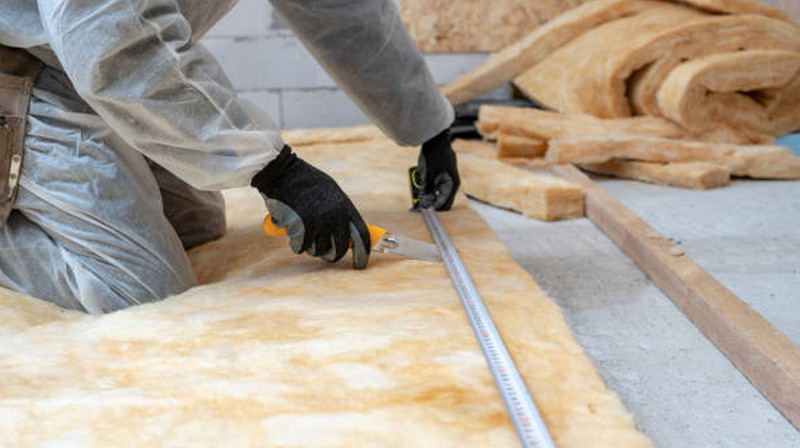
Walls are one of the main sources of heat loss. Since mobile home walls are thinner than those of traditional houses, insulation must be both efficient and lightweight. You have several options:
- Spray Foam Insulation: This is one of the best options for mobile homes. It expands to fill gaps, sealing off air leaks and moisture. While it’s more expensive, it provides a long-term solution and excellent energy performance.
- Insulated Panels: These panels feature foam insulation between two sheets of material. They’re easy to install and work well for both interior and exterior applications, making them a convenient upgrade.
If your mobile home has old or damaged wall insulation, removing it and replacing it with spray foam or panel insulation can drastically improve comfort and efficiency.
Improving Windows and Doors
Windows and doors are common weak spots for insulation in mobile homes. Replacing them with energy-efficient models is the best solution, but if you’re on a budget, try these methods:
- Weather Stripping: Apply weather stripping around frames to eliminate drafts and reduce air leakage.
- Caulking: Seal cracks or gaps using caulk to block unwanted airflow.
- Thermal Curtains: Use insulated or thick curtains during winter to trap heat and open them during the day to let sunlight in.
Even small upgrades like these can make a noticeable difference in maintaining indoor comfort.
Roof and Ceiling Insulation
Since heat rises, a poorly insulated roof can cause significant energy loss. Two effective solutions include:
- Reflective Foil Insulation: Ideal for attics or ceiling spaces, this insulation reflects radiant heat away from the living area, keeping your home cooler in summer.
- Blown-In Insulation: If your mobile home has attic access, you can add loose-fill insulation for better temperature control and moisture resistance.
Additionally, inspect your roof for leaks before insulating. Repairing any damage ensures your insulation performs efficiently and lasts longer.
Underbelly and Floor Insulation
Your mobile home’s underbelly is another area where heat can escape. Because it’s exposed to outdoor air, insulating this section is vital for protecting plumbing and maintaining temperature stability.
- Vapor Barrier: Install a durable vapor barrier beneath the home to prevent moisture buildup and protect insulation from water damage.
- Insulated Skirting: High-quality insulated skirting adds a thermal barrier and prevents cold air from circulating under the home.
- Foam Board Insulation: Attach rigid foam boards underneath the floor to increase insulation and block drafts.
Combining skirting and floor insulation creates a balanced and efficient thermal envelope for your mobile home.
Energy-Saving Tips for Better Insulation
Beyond traditional insulation materials, there are several small yet impactful improvements you can make:
- Seal Air Vents: Ensure vents and ducts are properly sealed to prevent air leaks.
- Upgrade Appliances: Energy-efficient HVAC systems and smart thermostats reduce energy waste.
- Use Rugs: Placing area rugs helps retain floor warmth during colder months.
Even simple adjustments like these can complement your insulation upgrades and make your mobile home more energy-efficient.
FAQ About Mobile Home Insulation
1. How can I tell if my mobile home needs new insulation?
Uneven temperatures, high energy bills, and drafts are clear indicators of poor insulation.
2. What is the best insulation for mobile home walls?
Spray foam insulation is often considered the most effective because it seals air gaps and provides excellent thermal resistance.
3. Can I insulate my mobile home myself?
Yes, you can handle smaller projects like weather stripping or installing foam panels. However, larger tasks such as spray foam installation are best done by professionals.
4. How much does it cost to totally insulate a mobile home?
Costs vary based on materials and labor, but expect to spend between $5,000 and $10,000 for a complete insulation overhaul.
5. Should I insulate under my mobile home?
Absolutely. Underbelly insulation helps maintain indoor temperatures and prevents frozen pipes during winter.
6. What type of insulation is best for the roof?
Blown-in and reflective foil insulation are both great choices for mobile home roofs.
7. Is insulation worth the investment?
Yes. Proper insulation reduces energy costs, improves comfort, and increases your home’s overall value.
8. Can I use fiberglass insulation in my mobile home?
Yes, fiberglass can work well in walls and ceilings, but it must be properly installed to prevent moisture problems.
9. How do I stop condensation in my mobile home?
Use vapor barriers and ensure good ventilation to reduce moisture buildup.
10. Where can I find help with insulating my mobile home?
You can consult professionals like The Mobile Home Dealer for guidance and expert assistance.
Final Thoughts
Learning how to totally insulate your mobile home is an investment that pays off in comfort, efficiency, and savings. By targeting key areas such as the walls, roof, underbelly, and windows, you can create a well-insulated space that remains cozy all year long. Don’t overlook small fixes like weather stripping and vapor barriers — they make a big difference when combined with proper insulation techniques. Whether you choose to DIY or hire professionals, these improvements can transform your mobile home into a more sustainable and comfortable living environment.