
Florida’s warm weather, coastal breezes, and year-round sunshine make it a desirable place to live. However, the state’s humidity, heat, and seasonal storms can create unique challenges for mobile homeowners. Understanding how to approach mobile home maintenance in Florida’s humid climate is essential if you want your home to remain comfortable, safe, and durable. Moisture, mold, storms, and intense sunlight can all create problems when not managed properly, so staying proactive will help you protect your investment.
Mobile homes can last for decades in Florida when well maintained, but even newer homes require routine upkeep due to constant exposure to warm, moist air. The goal is to prevent issues before they develop, reduce repair costs, and ensure a healthy living environment inside your home.
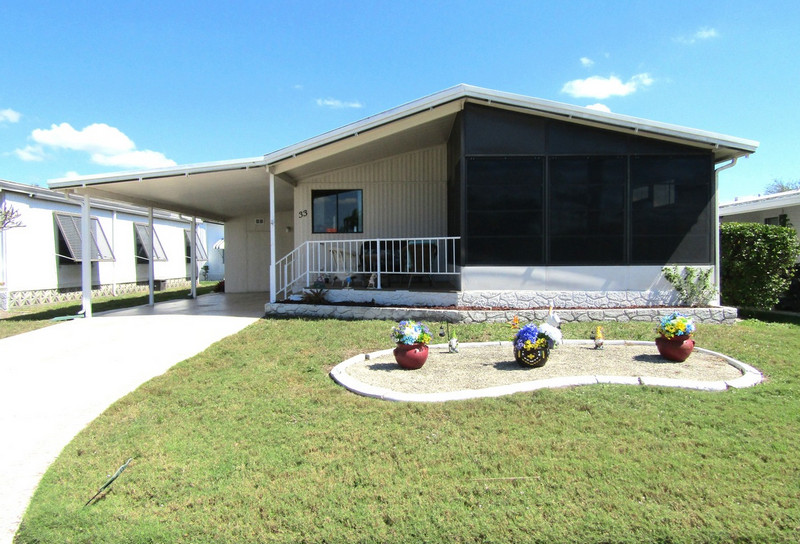
Understanding Climate Challenges in Florida
Florida’s humid climate impacts mobile homes differently than it does traditional site-built homes. The heat and moisture can work together to create an ideal environment for mold, mildew, rust, and pest activity. In addition, hurricane season introduces strong winds and heavy rainfall, making weather preparedness an important aspect of maintenance.
Key climate stressors include:
- High humidity, which raises the likelihood of mold inside walls, flooring, and bathrooms.
- Strong UV exposure, which can weaken roof materials and exterior siding.
- Heavy rains and tropical storms, which test your home’s seals, skirting, and anchoring.
- Pests such as termites, ants, and rodents, which thrive in warm and moist environments.
Because of these factors, mobile home maintenance in Florida’s humid climate must be consistent and proactive to avoid costly repairs later.
Essential Maintenance Strategies for Humid Weather
The best maintenance approach is seasonal and preventative. With routine care, you can prevent structural and environmental problems.
- Inspect your roof twice a year for leaks, cracks, soft spots, or sagging areas.
- Check siding and skirting for moisture damage, warping, or gaps.
- Clean air conditioning filters monthly to help control indoor humidity.
- Use dehumidifiers indoors to maintain humidity levels between 40% and 50%.
Keeping moisture under control is one of the most important steps because humidity is the root cause of many long-term issues.
Controlling Moisture and Preventing Mold Growth
Moisture management is central to mobile home maintenance in Florida’s humid climate. Excess indoor humidity creates mold, which can trigger allergies, irritate breathing, and damage surfaces.
To reduce moisture buildup:
- Ventilate bathrooms and kitchens using exhaust fans during and after use.
- Ensure your crawl space has proper air circulation to prevent trapped moisture.
- Inspect under sinks and around toilets for leaks regularly.
- Consider adding vapor barriers beneath your home if one isn’t already installed.
Regular cleaning with mold-resistant cleaning agents also helps keep bathroom and kitchen areas in good condition.
Roof, Siding, and Exterior Care
Florida’s sun, rain, and storms can break down exterior surfaces quickly if they aren’t protected. Roofs in particular need close attention.
- Apply a reflective roof coating every 3–5 years to reduce heat damage.
- Clean gutters and downspouts to prevent water pooling near the foundation.
- Power wash siding annually to remove mildew and prevent discoloration.
- Repair cracked caulk around doors and windows to improve weather resistance.
Inspect the skirting around your mobile home as well. Skirting protects plumbing and helps maintain ventilation. Replace cracked or loose panels promptly.
Hurricane and Storm Preparation
Because Florida experiences tropical storms and hurricanes, securing your mobile home is critical.
- Install hurricane straps or tie-down systems to anchor your home.
- Remove loose outdoor items like garden tools and patio furniture before storms.
- Check your insurance policy for wind and flood coverage.
- Have emergency supplies ready, including flashlights, radios, food, and water.
Preparing in advance will significantly reduce risk during severe weather.
Frequently Asked Questions
How often should I inspect my mobile home in Florida?
Inspect your home at least twice a year, plus before and after major storms.
What humidity level should I maintain indoors?
Aim for humidity levels between 40% and 50% to prevent mold.
Does my roof need special treatment?
Yes, reflective or protective coatings help reduce heat and sun damage.
What type of dehumidifier is best?
Choose a unit based on your home’s square footage and humidity needs.
Should I power wash the siding?
Yes, once a year is recommended to avoid mildew buildup.
How do I keep pests out?
Seal gaps, repair skirting, and schedule periodic pest control inspections.
Can humidity damage flooring?
Yes, moisture can warp wood and cause soft spots if not controlled.
How do I prevent condensation on windows?
Use ventilation fans and keep humidity levels under control.
Is flood insurance necessary?
It is highly recommended, especially in flood-prone areas.
Do air conditioners help reduce humidity?
Yes, but filters must be cleaned regularly for efficient moisture removal.
Bottom Line
Mobile home maintenance in Florida’s humid climate requires ongoing awareness, consistent inspection, and preventive care. By managing moisture, protecting your roof and exterior, preparing for storms, and monitoring indoor air quality, you can extend the lifespan of your home and maintain a comfortable living environment. A little routine attention goes a long way in preventing major repairs and ensuring that your home remains strong in the face of Florida’s weather conditions.
If you stay proactive and address small issues early, your mobile home will continue to be a safe, enjoyable place to live in the Sunshine State for many years.