
Manufactured homes, also known as mobile homes, have come a long way in terms of quality, design, and construction. Once considered temporary housing, these modern homes now offer comfort, affordability, and style—prompting many to ask: are manufactured homes durable?
The short answer is yes. Today’s manufactured homes are built under strict federal standards and with materials designed to last. However, their durability depends on several factors, including construction quality, maintenance, and installation. This guide explores how long manufactured homes last, what affects their lifespan, and why they’ve become a reliable housing option for millions of Americans.
Why Manufactured Homes Had a Reputation Problem
Manufactured homes often get an unfair reputation for being less sturdy than traditional houses. This misconception stems largely from outdated construction methods used before modern regulations took effect.
Here’s why that perception lingers:
- Older Construction Standards: Before 1976, mobile homes were built with fewer quality controls. They lacked insulation and used lightweight materials that didn’t always hold up well over time.
- Focus on Affordability: Early mobile homes were marketed as low-cost housing, which led people to believe they were cheaply made.
- Outdated Materials: Many older models used aluminum siding and wood paneling that were not as durable as the engineered materials used today.
Since then, the entire industry has evolved. Today’s manufactured homes are built to meet federal safety and durability codes that rival, and sometimes exceed, those for site-built homes.
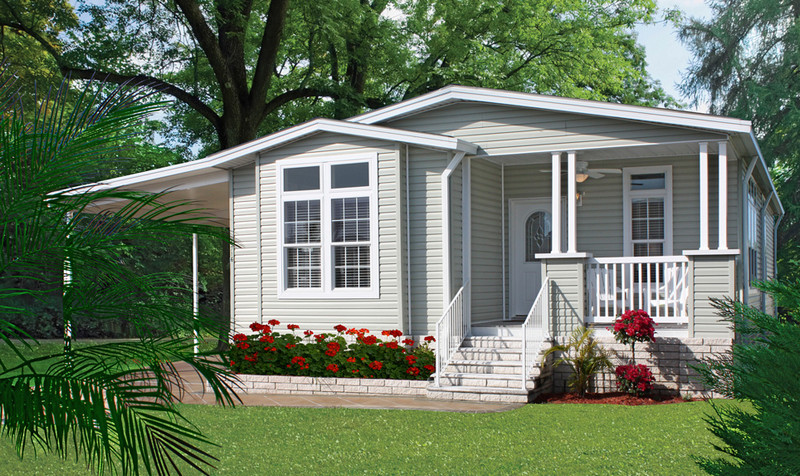
Modern Manufactured Homes: Built to Last
The durability of modern manufactured homes can be attributed to advanced engineering, strict oversight, and high-quality materials. If you’re wondering are manufactured homes durable, the answer lies in how they’re built.
- HUD Code Compliance: Since 1976, all manufactured homes in the U.S. must meet the HUD (Department of Housing and Urban Development) Code. This regulation ensures structural strength, energy efficiency, and wind resistance.
- Stronger Materials: Builders now use steel frames, insulated walls, and composite roofing materials designed to withstand extreme weather and wear.
- Factory-Built Precision: Because they’re constructed in climate-controlled factories, modern manufactured homes avoid damage from rain, snow, or humidity during construction.
- Enhanced Engineering: Innovations like reinforced roofing, moisture barriers, and sealed foundations make today’s homes incredibly resilient.
Studies show that with proper care, manufactured homes can last 50 years or more—comparable to traditional homes.
Factors That Affect Manufactured Home Durability
While manufacturing standards ensure a strong starting point, several factors influence how long your home will last. Understanding these helps you maximize your investment.
- Construction Quality: Homes built by reputable manufacturers known for consistent quality tend to last longer.
- Maintenance: Routine upkeep, such as inspecting roofs, sealing windows, and checking foundations, dramatically extends the life of your home.
- Installation: Proper setup and anchoring are essential. Poor installation can lead to moisture damage and foundation shifting.
- Climate and Location: Homes in regions with hurricanes, snow, or extreme heat may need additional reinforcements or weather-resistant materials.
When maintained properly, a manufactured home can easily last several decades while retaining its safety, comfort, and value.
How to Extend the Life of Your Manufactured Home
Even the most durable home requires care to ensure long-term stability. Here are steps to help extend the life of your manufactured home:
- Regular Inspections: Check the roof, siding, and underbelly for leaks, rust, or moisture damage twice a year.
- Maintain the Foundation: Ensure your home’s foundation and anchors remain level and secure.
- Seal and Paint: Repaint or seal siding and trim to protect from weather damage.
- Update Components: Replace outdated fixtures, plumbing, and electrical systems as needed to maintain safety.
- Control Moisture: Use proper ventilation and gutters to prevent water buildup, which can weaken your home over time.
With consistent care, your manufactured home can last well beyond its expected lifespan.
Manufactured Homes vs. Traditional Homes: Which Lasts Longer?
Many people compare manufactured homes to site-built houses when evaluating durability. While both can last decades, the main difference lies in construction methods and foundations.
- Construction Environment: Site-built homes are exposed to outdoor weather during construction, while manufactured homes are factory-built under controlled conditions.
- Foundation: Site-built homes rest on permanent concrete foundations. Manufactured homes can be anchored on piers, slabs, or crawl spaces—but proper installation ensures equal stability.
- Maintenance Needs: Both require regular care. Manufactured homes often need slightly more attention to anchoring and sealing, while site-built homes may face foundation settling or structural issues.
Ultimately, when properly installed and maintained, manufactured homes can be just as durable as traditional houses.
Frequently Asked Questions
1. Are manufactured homes durable in storms?
Yes, modern manufactured homes built to HUD standards are engineered to withstand high winds and storms, especially when properly anchored.
2. How long do manufactured homes last?
With proper maintenance, they can last 50–60 years or more.
3. What affects a manufactured home’s lifespan?
Climate, installation quality, maintenance, and material quality all play major roles.
4. Can manufactured homes withstand hurricanes?
Homes built for Wind Zone II or III areas can withstand hurricane-level winds if properly installed and anchored.
5. Are manufactured homes more fragile than site-built homes?
No. When built and maintained correctly, their durability rivals that of traditional homes.
6. Do manufactured homes require more maintenance?
They may need more frequent inspections for anchoring and sealing but otherwise require standard home maintenance.
7. What’s the most durable siding for manufactured homes?
Vinyl, fiber cement, and metal siding offer superior durability and weather resistance.
8. Can manufactured homes appreciate in value?
Yes, especially if they’re well-maintained, located on owned land, and in desirable areas.
9. Are modern manufactured homes energy-efficient?
Yes, they include insulation, double-pane windows, and energy-efficient HVAC systems.
10. How can I make my manufactured home last longer?
Perform regular maintenance, keep moisture out, and ensure the home remains properly leveled and anchored.
Final Thoughts
So, are manufactured homes durable? Absolutely. Thanks to improved building standards, better materials, and factory-controlled construction, today’s manufactured homes can stand strong for decades. Their combination of affordability, resilience, and comfort makes them an ideal choice for modern homeowners.
To ensure longevity, invest in professional installation, schedule regular maintenance, and choose a manufacturer with a solid reputation. With these steps, your manufactured home can provide safe, stable, and durable living for many years—proving once and for all that durability and affordability can go hand in hand.