
When exploring housing options in the United States, many prospective homeowners encounter choices that vary in affordability, flexibility, and lifestyle. Two commonly compared options are mobile home parks and homeowners’ associations (HOAs). While they may appear similar at first glance, these communities differ in structure, ownership, and regulations. Understanding these distinctions is crucial before making a decision. This guide explores how mobile home parks and HOAs function, their similarities and differences, and which might best suit your lifestyle and financial needs.
Mobile Home Parks: Affordable Housing with Community Benefits
Mobile home parks offer residents an opportunity to own a home without purchasing the land beneath it. These parks typically house manufactured homes, sometimes referred to as trailers, on leased lots. Mobile homes vary in size and style, providing affordable housing options for a wide range of individuals and families.
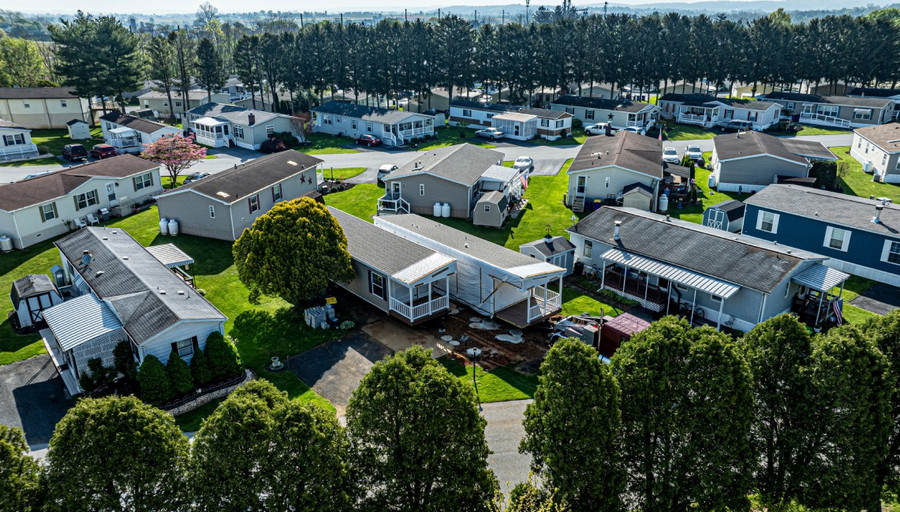
Key Features of Mobile Home Parks
Ownership Structure: Residents usually own their mobile homes but lease the land from the park. This arrangement allows for homeownership at a lower cost while minimizing the responsibilities of land management.
Community Regulations: Parks often implement rules covering home appearance, noise levels, and property upkeep to maintain harmony and safety.
Amenities and Services: Parks may provide communal facilities such as playgrounds, pools, and maintenance for common areas, enhancing residents’ quality of life.
Affordability: Mobile homes are generally more budget-friendly than traditional single-family homes, making them an attractive choice for first-time buyers or those seeking lower living expenses.
Homeowners’ Associations (HOAs): Structured and Regulated Communities
HOAs govern planned communities or developments, often consisting of single-family homes, townhouses, or condominiums. Residents in these communities own both their homes and the land, and they pay dues to fund maintenance and amenities. HOAs enforce rules to maintain property values and community standards.
Characteristics of HOA Communities
Ownership Structure: Residents hold title to both their homes and the underlying land, giving them more control and investment potential.
Community Regulations: HOAs impose detailed rules covering landscaping, home modifications, noise, and other aspects to maintain uniformity and neighborhood aesthetics.
Amenities and Services: HOAs often provide community centers, parks, pools, and security services funded by residents’ dues.
Shared Responsibility: Residents share responsibility for upkeep and compliance with community rules, promoting a cohesive living environment.
Similarities Between Mobile Home Parks and HOAs
Although mobile home parks and HOAs differ in ownership and housing types, they share several similarities.
Common Features
Community Regulations: Both have rules designed to preserve order and ensure safety within the community. Guidelines often address noise, property appearance, and the use of shared spaces.
Amenities and Services: Residents in both types of communities may access common facilities, such as recreational areas and maintenance services.
Community Engagement: Both foster social interaction and encourage participation in events, strengthening community ties.
These shared elements demonstrate that both mobile home parks and HOAs prioritize resident satisfaction, safety, and community cohesion, even if the structure and governance differ.
Differences Between Mobile Home Parks and HOAs
Understanding the differences is essential for deciding which type of community aligns with your lifestyle and financial goals.
Major Distinctions
Ownership Structure: Mobile home park residents usually lease the land but own their homes, whereas HOA residents own both home and land. This distinction affects equity, resale potential, and mobility.
Housing Types: Mobile home parks feature manufactured homes, which are prefabricated and transportable. HOAs encompass traditional housing types, such as single-family homes, townhouses, and condos.
Cost: Mobile homes offer a lower upfront cost and reduced financial commitment, while HOAs often involve higher purchase prices and monthly dues.
Flexibility: Mobile home owners can relocate their homes if needed, whereas HOA homeowners cannot easily move their structures. This mobility can be a major advantage for those anticipating life changes.
These differences significantly impact long-term planning, budgeting, and lifestyle choices, so it’s vital to evaluate them carefully.
Choosing the Right Community
Selecting between a mobile home park and an HOA depends on your priorities, budget, and desired lifestyle. Mobile home parks appeal to those seeking affordability, flexibility, and community support. Conversely, HOAs provide structured living with more amenities, property control, and potentially higher resale value. Assess your long-term goals, financial situation, and personal preferences before making a choice.
Considerations for Decision-Making
Financial Planning: Determine your budget and potential homeownership costs, including dues, rent, or lot fees.
Lifestyle: Consider community involvement, social opportunities, and privacy.
Flexibility: Think about the potential need to relocate or modify your home in the future.
Amenities: Compare the facilities offered and their impact on quality of life.
Weighing these factors ensures that your choice aligns with both your current needs and future plans.
FAQ
1. Are mobile home parks similar to HOAs?
They share some similarities in community rules and amenities, but differ in ownership structure, housing types, and flexibility.
2. Can I own the land in a mobile home park?
Typically, residents lease the land and own the home, unlike HOAs where land ownership is included.
3. Do mobile home parks have community rules?
Yes, most parks have regulations covering noise, home appearance, and property maintenance.
4. What types of homes are in HOAs?
HOAs usually include single-family homes, townhouses, and condominiums.
5. Are mobile homes more affordable than traditional homes?
Yes, they generally cost less upfront and have lower ongoing expenses.
6. Can I move my mobile home to another park?
Yes, one advantage of mobile homes is their mobility, provided the new park approves.
7. What amenities do mobile home parks offer?
They may provide pools, playgrounds, and maintenance of common areas, depending on the park.
8. Are HOA fees required?
Yes, residents pay dues to maintain amenities, enforce rules, and fund community improvements.
9. Which community is better for families?
Both can suit families, but mobile home parks may offer more affordability and flexibility, while HOAs provide structured environments.
10. Where can I learn more about mobile home communities?
Visit The Mobile Home Dealer for resources, guides, and expert advice.
Bottom Line
Mobile home parks and HOAs each offer unique forms of community living. Mobile home parks prioritize affordability, flexibility, and a close-knit community, while HOAs provide structured living with greater property control and higher-end amenities. While they share similarities in regulations, amenities, and fostering community engagement, their differences in ownership, housing types, and costs are significant. Choosing the right community depends on your financial situation, lifestyle preferences, and long-term goals. Evaluating your priorities carefully will help you find the ideal fit and enjoy a fulfilling residential experience.