
Mobile homes are often associated with affordability, flexibility, and a simpler lifestyle. Because the term “mobile” suggests movement, many people assume that these homes can easily be transported from one place to another. However, in Florida, the reality is more complex. Understanding whether mobile homes in Florida are considered portable requires looking at how they are built, how age affects their mobility, and what regulations influence moving them. This article explains what makes a home portable, why many older mobile homes in Florida cannot be moved, and what to consider if portability is one of your goals.
What Defines a Portable Home?
A home is considered portable when it is designed to be moved with reasonable ease from one location to another. Several characteristics generally determine portability:
- Structural Design: Portable homes are built on a steel frame with wheels and axles, allowing them to be transported.
- Foundation Type: These homes are placed on temporary supports rather than permanent foundations, making relocation possible.
- Size and Weight Compliance: They must meet transportation size and road safety requirements to be legally moved.
- Detachable Utility Connections: Water, electric, and sewer systems must disconnect easily for safe relocation.
- Transport and Permit Regulations: Moving requires proper permits and compliance with Florida road and safety laws.
While this describes how mobile homes are originally designed, the real-world situation in Florida looks different, especially for older units.
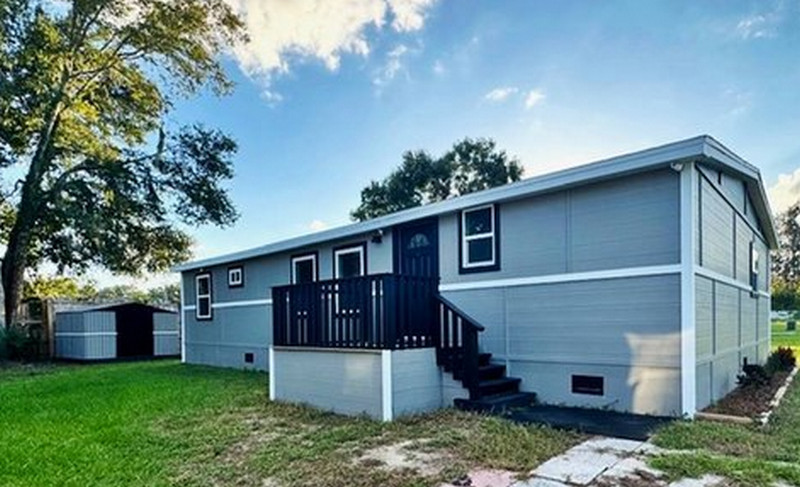
Are Mobile Homes in Florida Actually Portable?
In theory, mobile homes are built to be portable. However, most mobile homes in Florida are older models that have been stationary for decades. This raises the question many buyers ask: are mobile homes in Florida considered portable in a practical sense? In many cases, the answer is no, and here’s why:
- Age and Wear: Many Florida mobile homes have been exposed to humidity, storms, and general aging. Moving them could cause structural damage.
- Updated Safety Codes: Homes built before newer HUD standards may no longer meet transport or installation regulations.
- Permit Barriers: Local and state permit requirements may prevent an older home from being reinstalled elsewhere.
- Community Restrictions: Many Florida mobile home parks will not allow older homes to be moved in or out due to aesthetic or structural rules.
- High Moving Costs: Professional relocation can cost several thousand dollars, often exceeding the value of an older home.
Because of these challenges, most mobile homes remain where they were originally installed.
Financial and Logistical Challenges of Moving a Mobile Home
Even when a mobile home is structurally sound, moving it requires careful planning and budgeting. Costs and considerations include:
- Hiring Licensed Mobile Home Movers: Only certified movers can transport and reinstall these homes.
- Permit Fees: State and county permits are required, and some areas require inspections afterward.
- Preparing the Home: Removing skirting, disconnecting utilities, and reinforcing the frame adds labor costs.
- Transport Distance: The farther the home needs to go, the higher the cost.
- Site Preparation: The new location must have utilities, proper zoning, and ground preparation.
These factors often discourage owners from relocating their home, reinforcing why many people misunderstand are mobile homes in Florida considered portable, when in truth mobility is often limited.
Other Factors to Consider When Thinking About Mobility
- Newer Manufactured Homes: Homes built after 1994 follow stricter storm safety regulations, making them stronger and sometimes easier to move.
- Modular Homes: Although also factory-built, these homes are typically placed on permanent foundations and are not intended to be moved again.
- Insurance Considerations: Moving a mobile home requires temporary moving insurance to protect against damage.
- Future Land Availability: Finding another lot or park that accepts your home can be one of the biggest challenges.
- Legal Restrictions: Some Florida counties do not allow mobile homes over a certain age to be reinstalled.
FAQ
Are mobile homes in Florida considered portable?
They were designed to be portable, but most older homes are not practical or cost-effective to move.
Can I move an older mobile home to a new park?
Many parks have age and condition restrictions, so approval is required.
How much does it cost to move a mobile home?
Costs often range from $5,000 to $15,000 or more depending on distance and setup.
Do I need permits to move a mobile home in Florida?
Yes, state and county permits are required before transportation begins.
Can newer manufactured homes be moved?
Yes, but they still require licensed movers and proper setup at the new location.
What if my mobile home is too old to move?
In many cases, selling it on-site or transferring ownership is the best option.
Can weather damage affect the ability to move a mobile home?
Yes, storm or water damage may weaken the structure, making it unsafe to relocate.
Do mobile homes lose value if they are moved?
The value may decrease, especially if the home sustains damage during transport.
Are financing options affected if the home is moved?
Yes, lenders may require reinspection and new certifications after relocation.
Is it cheaper to buy a new mobile home rather than move an old one?
In many cases, yes—moving costs often exceed the value of an older unit.
Final Thoughts
While mobile homes were originally designed to be movable, most of the mobile homes in Florida are not realistically portable due to age, condition, regulations, and high moving costs. For many owners, it is more practical to keep the home in place or purchase a home already located where you intend to live. If portability is important, choosing a newer manufactured home and planning carefully from the beginning will provide better flexibility. Understanding these limitations helps buyers make informed decisions and choose the living situation that best supports their needs and long-term plans in Florida.