
Florida, with its swaying palm trees and warm sunshine, attracts many who dream of coastal living. Yet, a key question arises for prospective residents: are mobile homes safe in Florida? Given the state’s exposure to hurricanes, tropical storms, and severe weather events, concerns about structural integrity are valid. By examining building codes, hurricane-resistant designs, and maintenance practices, we can assess how mobile homes perform under Florida’s challenging weather conditions. Understanding these factors helps potential homeowners make informed decisions about safety and long-term investment in mobile homes.
Mobile homes often face misconceptions that unfairly influence public perception. Addressing these myths clarifies the realities of mobile home living:
Myth 1: Mobile Homes Are Not Safe: Modern manufactured homes follow safety standards, including proper anchoring and structural reinforcements, making them secure.
Myth 2: Mobile Homes Are Poorly Constructed: Factory-built in controlled environments, mobile homes often meet high-quality construction standards.
Myth 3: Mobile Homes Are Temporary or Inferior Housing: With varied sizes and styles, mobile homes can serve as permanent residences.
Myth 4: Mobile Homes Depreciate Rapidly: Depreciation depends on location, condition, and market trends; proper maintenance can preserve value.
Myth 5: Mobile Home Communities Are Undesirable: Communities range widely; many are well-maintained with shared amenities and strong community ties.
Myth 6: Mobile Homes Lack Comfort: Many modern mobile homes include updated kitchens, bathrooms, and energy-efficient systems comparable to traditional homes.
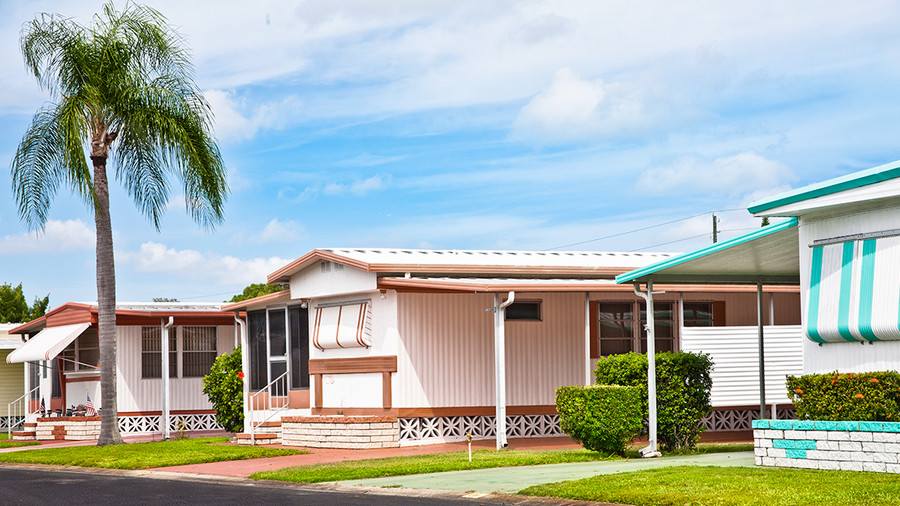
Addressing Common Concerns
Myth 7: Only for Low-Income Individuals: Mobile homes attract retirees, professionals seeking affordable housing, and individuals valuing lifestyle convenience.
Myth 8: Not Energy-Efficient: Energy-efficient features like insulation, windows, and appliances are common in modern mobile homes.
Myth 9: Financing is Difficult: Loans for mobile homes exist, including traditional mortgages and specialized manufactured home loans.
Myth 10: Limited Resale Value: Well-maintained homes in desirable locations can retain or increase value.
By dispelling these myths, it becomes clear that mobile homes can offer a safe, comfortable, and affordable living option in Florida.
The Safety of Mobile Homes in Florida
Mobile homes, or manufactured homes, are increasingly common in Florida due to its warm climate and affordable housing needs. Safety depends on multiple factors:
- Hurricanes and Severe Weather: Florida’s exposure to storms requires that homes meet strict wind zone standards to resist hurricane-force winds.
- Building Codes: Florida enforces codes for manufactured homes to enhance structural safety.
- Location: Homes in flood zones or storm surge areas are more vulnerable to water damage.
- Foundation and Anchoring: Proper anchoring stabilizes homes against high winds.
- Maintenance: Routine inspections of roofs, windows, and doors maintain structural integrity.
- Community Standards: Parks may enforce additional safety requirements like storm shutters or reinforced anchoring.
- Insurance: Adequate coverage for hurricanes and severe weather is crucial.
- Upgrades and Retrofitting: Reinforcing roofs, adding impact-resistant windows, and upgrading anchoring improve resilience.
Factory-Built Homes and Quality
Factory-built homes, including manufactured and modular options, can be well-made when sourced from reputable manufacturers. Key considerations include:
- Consistent Construction Standards: Standardized factory processes ensure uniform quality. Manufacturers adhere to strict codes.
- Enhanced Quality Control: Rigorous inspections detect issues before delivery.
- Customization: Buyers can select layouts, finishes, and features.
- Energy Efficiency: Modern insulation, windows, and systems reduce utility costs.
- Shorter Construction Time: Factory assembly avoids weather delays, accelerating completion.
- Affordability: Controlled manufacturing reduces overall costs.
- Code Compliance: Homes meet HUD and state standards for safety and structure.
- Durability: Proper construction ensures long-lasting performance.
- Quality Variability: Researching manufacturers prevents poor-quality purchases.
- Inspection and Certification: Third-party inspections verify compliance with codes.
Preventive Measures for Hurricane Safety
Florida mobile home owners can implement several strategies to enhance safety:
- Choose a Safe Location: Avoid flood-prone and low-lying areas.
- Secure Anchoring: Follow Florida wind zone guidelines.
- Reinforce Roof and Walls: Use hurricane straps or clips.
- Impact-Resistant Windows and Doors: Protect against debris and wind.
- Trim Trees and Remove Debris: Minimize storm hazards nearby.
- Storm Shutters: Install for added protection.
- Reinforce Skirting: Prevent wind uplift.
- Secure Porches and Additions: Anchor securely.
- Maintain Drainage: Prevent flooding with clear drainage.
- Emergency Plan: Have evacuation routes and contacts ready.
- Insurance: Ensure hurricane coverage is adequate.
- Stay Informed: Follow forecasts and local authority updates.
- Retrofitting and Upgrades: Reinforce structures and improve roofing.
Maximizing Safety and Peace of Mind
While preventive measures significantly improve safety, mobile homes inherently differ from site-built homes. Homeowners should consult experts in mobile home safety and hurricane preparedness to tailor measures to their property and location.
FAQ
1. Are mobile homes safe in Florida?
Yes, modern mobile homes built to code and properly anchored can withstand hurricanes and severe weather.
2. What makes a mobile home hurricane-resistant?
Features like reinforced roofs, wind-rated windows, anchoring systems, and storm shutters improve resistance.
3. Can older mobile homes be upgraded for safety?
Yes, retrofitting with hurricane straps, impact windows, and structural reinforcements enhances protection.
4. Do mobile home communities offer additional safety?
Many communities enforce stricter anchoring and storm-preparedness rules for resident safety.
5. How does location affect safety?
Homes in flood zones or low-lying areas are more vulnerable to storm damage.
6. Is insurance necessary for Florida mobile homes?
Absolutely; coverage for hurricanes and storm damage is essential.
7. Are factory-built homes reliable?
Yes, reputable manufacturers follow strict codes, quality control, and HUD standards.
8. Can mobile homes be energy-efficient?
Modern homes can include insulation, energy-saving windows, and efficient HVAC systems.
9. Do mobile homes depreciate in value?
Depreciation depends on maintenance, location, and market demand; some retain value well.
10. Where can I find mobile home listings in Florida?
Check The Mobile Home Dealer for available homes and parks.
Bottom Line
Mobile homes in Florida can be safe and durable when built to code, properly maintained, and reinforced for hurricanes. By choosing reputable manufacturers, installing preventive measures, and staying informed about weather risks, homeowners can enjoy safe, affordable, and comfortable living. While inherent limitations exist compared to site-built homes, careful planning and expert guidance ensure mobile home safety and resilience.