
The housing market has changed dramatically over the years, offering a variety of options for different lifestyles and budgets. Among these, mobile homes remain popular for their affordability and flexibility. One question often comes up: are single-wide mobile homes considered portable homes? Understanding the characteristics, misconceptions, and realities of single-wide mobile homes helps answer this question clearly.
Understanding Single-Wide Mobile Homes
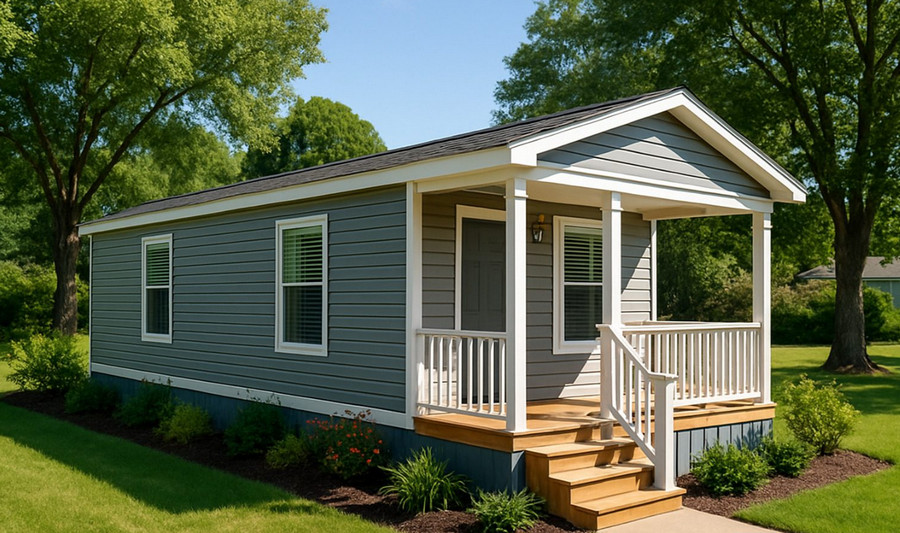
Single-wide mobile homes, also called manufactured homes, are factory-built dwellings designed for residential use. They usually measure 18 feet or less in width, making them one of the smaller configurations available. These homes are built in controlled factory environments and must comply with federal building standards, ensuring safety and quality. While they are termed “mobile,” this doesn’t mean they are easily movable like RVs.
Portability: Separating Fact from Fiction
The label “mobile home” often conjures images of a home on wheels that can be moved anywhere at a moment’s notice. However, single-wide mobile homes are not as portable as many think. While technically movable, the process requires planning, specialized equipment, and adherence to legal regulations.
Wheels and Axles: A Thing of the Past
Historically, mobile homes included wheels and axles, which allowed relatively simple relocation. Today, most single-wide homes are installed on permanent foundations or piers. Moving them involves professional movers, permits, and compliance with local zoning laws. The process is complex and costly, making frequent relocation impractical.
Transportation Challenges
Unlike travel trailers or tiny homes on wheels, moving a single-wide mobile home requires specialized trailers, flatbeds, or hydraulic equipment. Often, sections of the home, such as the roof or siding, need to be removed to transport it safely. This complexity makes moving single-wide homes far more challenging than conventional mobile units.
Zoning and Permitting
Local regulations play a critical role in mobility. Many municipalities have strict rules governing where and how manufactured homes can be relocated. Securing permits and approvals can take considerable time and often limits the flexibility that many assume comes with a mobile home.
Advantages of Single-Wide Mobile Homes
Despite limitations in portability, single-wide mobile homes offer many benefits, making them a viable housing option:
Affordability: Single-wide mobile homes are often significantly less expensive than traditional houses, allowing broader access to homeownership.
Quick Construction: Factory-built homes can be produced and installed faster than stick-built homes, reducing waiting times and overall costs.
Customization Options: Many manufacturers provide customization options, from floor plans to finishes, enabling homeowners to personalize their spaces.
Energy Efficiency: Modern single-wide homes incorporate insulation, energy-efficient appliances, and windows to reduce utility expenses.
Common Misconceptions
It’s important to note that the term “mobile” can be misleading. While single-wide homes can technically move, the process is labor-intensive and expensive. For all practical purposes, they function as permanent homes, offering stability while still being more affordable than traditional houses.
Integrating Flexibility and Stability
Single-wide mobile homes provide a balance between affordability, customization, and the ability to relocate under specific conditions. They are ideal for those seeking a cost-effective solution without committing to a traditional home’s permanence. Understanding this balance is key for prospective homeowners evaluating whether this option meets their lifestyle needs.
FAQ About Single-Wide Mobile Homes
1. Are single-wide mobile homes truly portable?
Technically, yes, but moving them requires professionals, permits, and special equipment. They are not designed for frequent relocation.
2. How wide is a single-wide mobile home?
Single-wide homes are typically 18 feet wide or less.
3. Can single-wide mobile homes be customized?
Yes, manufacturers offer various floor plans, finishes, and options to suit personal preferences.
4. How long does it take to install a single-wide home?
Installation generally takes a few weeks, depending on site preparation and utility setup.
5. Do single-wide homes require a foundation?
Yes, most are installed on piers or permanent foundations for stability.
6. Are single-wide homes energy-efficient?
Modern models include insulation, energy-efficient windows, and appliances to reduce energy costs.
7. Can I move a single-wide home myself?
No, moving requires professional equipment and compliance with legal requirements.
8. Are single-wide homes affordable?
Yes, they are generally cheaper than traditional stick-built homes, making them an attractive option for budget-conscious buyers.
9. Do single-wide homes appreciate in value?
Typically, they depreciate over time, though location and community quality can affect value.
10. Where can I find reliable single-wide mobile home listings?
Visit The Mobile Home Dealer for verified listings and expert guidance.
Bottom Line
So, are single-wide mobile homes considered portable homes? In reality, they are semi-portable. While technically movable, the process is expensive, complex, and regulated. For most homeowners, single-wide mobile homes function as stable, affordable, and flexible housing solutions rather than truly portable dwellings. Understanding these realities ensures informed decisions and sets realistic expectations for those exploring the mobile home market.
For prospective homeowners seeking cost-effective housing with customization and flexibility, single-wide mobile homes remain an attractive choice, offering a balance between mobility, affordability, and long-term stability.
Looking for a 2 bedrooms and 2 bathroom
Thanks for the comment Edith, we hope you are well. Feel free to reach out to us via email directly to get information on how we can help: thank you.