
Mobile home living continues to grow in popularity across Florida because it offers flexibility, affordability, and access to well-managed communities. However, one of the most important financial factors mobile homeowners must understand is lot rent. The average lot rent cost in Florida affects long-term budgeting and overall affordability, especially for those living on fixed incomes or planning to relocate to the state. Since lot rent varies widely, researching and comparing different communities is essential for making informed housing decisions.
Mobile home parks offer a wide range of amenities—from pools and clubhouses to fitness rooms and gated entrances. Because these services differ, lot rent costs can also vary significantly. To help mobile homeowners better prepare, this article explains the average lot rent cost in Florida, the factors that influence it, and the strategies residents can use to manage expenses more effectively.
What Lot Rent Includes and Why It Matters
Lot rent is the monthly fee a mobile homeowner pays for the land where their home is placed. While the home itself is owned, the land is typically leased from the mobile home community. This rent covers the use of the lot and often includes certain amenities or services. Because lot rent is a recurring expense, understanding its structure helps residents plan for the long term.
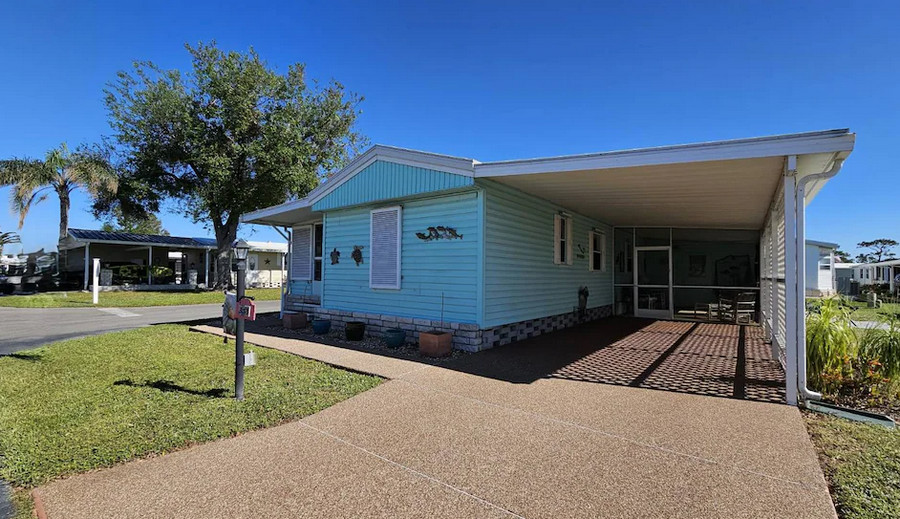
Communities may include services such as lawn care, water, trash, or access to shared amenities in the monthly fee. Others may charge separate utility or maintenance fees. Therefore, comparing what is included in the lot rent helps homeowners determine the true cost of living in a particular park. Residents should always ask for a complete breakdown of fees before signing a lease.
Average Lot Rent Cost in Florida by Region
The average lot rent cost in Florida ranges widely depending on the area. On average, residents can expect to pay between $300 and $1,200 per month. Rural parks usually offer lower rates, while coastal and metropolitan regions charge higher amounts due to demand and location benefits. Understanding these differences helps buyers and renters decide which Florida region best fits their budget.
In rural areas, lot rent often ranges from $300 to $600. These communities appeal to retirees, seasonal residents, and families seeking affordability. Central Florida offers a mid-range cost structure, typically between $400 and $800, and parks near tourist attractions may lean toward the higher end. Meanwhile, coastal regions—especially South Florida—have the highest rates, often between $800 and $1,200 per month.
Factors That Influence Lot Rent Costs
Several key factors directly impact the average lot rent cost in Florida. Location remains one of the most significant. Communities near beaches, theme parks, employment hubs, and major cities consistently have higher demand and therefore higher lot rent prices. On the other hand, parks located farther inland or in smaller towns generally offer more affordable options.
Amenities also play a major role in determining the cost. Mobile home parks with upgraded facilities often charge more to cover maintenance and community operations. Common amenities that increase lot rent include:
- Swimming pools and hot tubs
- Fitness centers or recreation rooms
- Clubhouses with scheduled events
- Gated entrances and security patrols
Community rules and management practices also influence rent. Well-managed communities that invest in improvements may raise rates to cover operational expenses. Additionally, parks with stricter regulations may maintain cleaner, safer environments, but these benefits often come at a higher monthly cost.
Researching and Comparing Lot Rent Options
Research is essential when evaluating the average lot rent cost in Florida. Prospective homeowners should take time to compare multiple communities before committing to a specific location. Online listings, real estate platforms, and mobile home sales websites can provide helpful information about rent amounts and included services.
Reading reviews from current residents also gives insight into the quality of the management and community environment. Visiting the park in person is highly recommended. This allows future residents to explore amenities, walk the grounds, and speak with homeowners who can offer first-hand information about rent increases, maintenance quality, and community satisfaction.
Negotiating Lot Rent When Possible
Many mobile homeowners do not realize that lot rent may be negotiable. While not all communities offer flexibility, it never hurts to ask. Long-term residents, those with excellent payment histories, or individuals committing to multi-year leases may have opportunities to negotiate.
Effective negotiation strategies include:
- Comparing nearby park rents as supporting evidence
- Highlighting responsible residency and on-time payment history
- Asking about long-term tenant discounts
Approaching negotiations respectfully and professionally increases the chance of success. Even if the rent cannot be lowered, some communities may offer incentives such as waived fees or small improvements.
Understanding Lease Agreements and Rent Increases
Lease agreements outline the terms of the lot rental and should always be reviewed carefully. These agreements specify the rent amount, payment schedule, included services, rules, and responsibilities. Additionally, many Florida mobile home parks include clauses about annual rent increases. These increases may be tied to inflation, operational costs, or park improvements.
Understanding these clauses helps residents predict future expenses. Tenants should also verify which utilities or services are included in the rent. For example, some parks include lawn care and trash pickup, while others charge separately. Knowing these details supports better budgeting and helps avoid unexpected costs.
Budgeting and Managing Lot Rent Costs
Budgeting is essential for anyone planning to live in a mobile home community. Since the average lot rent cost in Florida can vary widely, residents must calculate all housing expenses, including:
- Monthly lot rent
- Utilities not included in rent
- Mobile home maintenance and repairs
- Insurance
It is wise to include funds for unexpected repairs or emergencies. Many mobile homeowners also prefer to set aside savings for long-term maintenance needs. Understanding total monthly costs ensures greater financial stability and helps homeowners avoid stress.
Cost-Saving Tips for Mobile Homeowners
Several strategies can help reduce the impact of lot rent costs. Some communities offer discounts for seniors, veterans, or long-term residents. Others may run seasonal promotions that lower the monthly rate for the first year.
Residents can also:
- Compare multiple communities before choosing one
- Ask about bundling utilities with lot rent
- Monitor park policies to avoid extra fees
- Participate in community programs that offer savings
Being proactive and informed can make a meaningful difference in long-term housing affordability.
Frequently Asked Questions
What is the typical average lot rent cost in Florida?
The average lot rent cost in Florida generally ranges from $300 to $1,200 per month depending on location and amenities.
Why do lot rent prices vary so much?
Differences in amenities, location, management, and community upkeep contribute to rent variations.
Is lot rent cheaper in rural areas?
Yes, rural parks usually offer lower rents due to lower demand and fewer amenities.
Does lot rent include utilities?
Some parks include utilities, but many charge separately. Always confirm what is included.
Do mobile home parks raise rent every year?
Many parks implement annual increases, often tied to inflation or maintenance costs.
Can I negotiate lot rent?
Sometimes, especially for long-term residents or multi-year leases.
Are coastal areas more expensive?
Yes, coastal and tourist-driven regions tend to have higher lot rents.
How do amenities affect lot rent?
More amenities usually mean higher monthly costs due to operational expenses.
Is lot rent required even if I own the home?
Yes, lot rent is paid for the land, not the home itself.
Where can I compare lot rent prices?
Online listings, local real estate websites, and mobile home sales platforms provide reliable information.
Bottom Line
Understanding the average lot rent cost in Florida is essential for anyone considering mobile home living. Because expenses vary widely based on region, amenities, and management, researching multiple communities helps residents make confident decisions. By comparing options, reviewing leases carefully, and staying informed about potential increases, homeowners can budget effectively and enjoy the benefits of mobile home living throughout Florida.