
Mobile homes provide affordable and flexible living spaces for millions of homeowners. However, when it comes to remodeling—especially flooring—mobile homes have unique needs. Their lighter structure, different subfloor materials, and moisture exposure mean not all flooring options are ideal. So, what are the best flooring options for mobile homes?
In this comprehensive guide, you’ll learn about the most practical flooring types for mobile homes, including factors like durability, moisture resistance, and cost. Whether you’re renovating for comfort or style, these insights will help you make the right choice for your space.
Understanding Mobile Home Subfloors
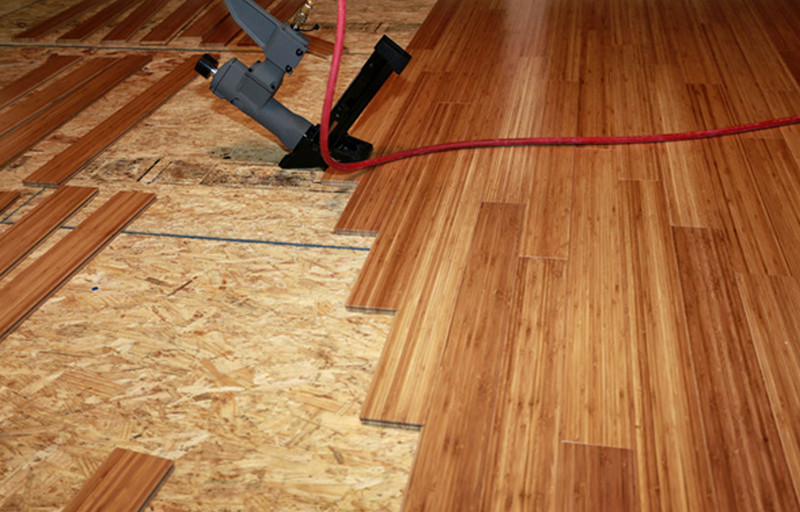
Before choosing your flooring, it’s essential to understand how mobile home subfloors work. Most manufactured homes use subfloors made from plywood or oriented strand board (OSB). These materials are lightweight and flexible, designed to handle transportation and shifting terrain.
However, that flexibility also means you can’t install overly heavy flooring materials, such as natural stone or thick ceramic tiles, which can cause structural strain. The right flooring should balance strength, style, and weight efficiency while staying within your mobile home’s construction limits.
Key Considerations When Choosing Flooring
When selecting the best flooring options for mobile homes, consider the following critical factors:
- Weight: Avoid heavy flooring materials that could stress the structure. Lightweight options like vinyl, laminate, or engineered wood are ideal.
- Moisture Resistance: Moisture is a common issue in mobile homes, so prioritize water-resistant flooring such as vinyl or LVP (Luxury Vinyl Plank).
- Durability: Areas with heavy foot traffic, like kitchens and hallways, need tougher flooring materials.
- Installation Ease: Some materials require complex installation. Choose one that matches your skill level if you plan to DIY.
- Budget: Flooring options range widely in price, so select one that meets both your aesthetic and financial goals.
Each of these factors plays a vital role in determining how long your flooring will last and how well it performs under daily wear and tear.
The Best Flooring Options for Mobile Homes
Let’s explore the top flooring types that combine beauty, function, and practicality for manufactured homes.
- Luxury Vinyl Plank (LVP): Luxury vinyl plank is one of the most popular and versatile flooring choices for mobile homes. It mimics the look of hardwood or tile while being lightweight, durable, and waterproof. LVP is resistant to scratches and moisture, making it perfect for kitchens, bathrooms, and living spaces. It’s also easy to install with click-lock systems and simple to maintain.
- Engineered Hardwood: If you love the look of real wood, engineered hardwood is an excellent compromise. It’s made from layers of wood veneer bonded together, making it more stable and moisture-resistant than solid hardwood. Many models use floating installation, which doesn’t require nails or glue—ideal for mobile home subfloors.
- Sheet Vinyl: Sheet vinyl is one of the most affordable and lightweight flooring materials available. It’s water-resistant and comes in a wide range of colors and patterns. Although not as durable as LVP, it’s perfect for low-traffic areas or tight budgets. Sheet vinyl also installs easily, making it a great DIY option.
- Laminate Flooring: Laminate flooring gives you the classic appearance of hardwood at a lower cost. It’s scratch-resistant and durable, ideal for busy households. However, laminate can swell or warp if exposed to moisture, so avoid using it in bathrooms or laundry rooms unless it’s a waterproof version.
- Carpet: While not as common, carpet remains a cozy choice for bedrooms and low-traffic areas. It provides warmth, sound insulation, and comfort underfoot. Just be cautious with moisture—use mold-resistant padding and ensure good ventilation. Short-pile carpets are easier to maintain and clean.
Additional Tips for Installing Flooring in Mobile Homes
Even after selecting the right flooring, proper installation is key to achieving the best results. Here are some extra tips:
- Transition Strips: Use transition strips when changing flooring types between rooms to maintain a smooth surface and clean look.
- Underlayment: A quality underlayment adds comfort, insulation, and noise reduction. It’s especially useful for laminate or vinyl flooring.
- Existing Floor Removal: Be careful when removing old flooring to avoid damaging the subfloor. Check for moisture or soft spots and repair them before installation.
- Weight Awareness: Always consider the overall weight load—avoid installing dense or thick flooring that could stress your mobile home’s frame.
Design and Style Considerations
Once you’ve chosen a flooring material, it’s time to think about design. Modern flooring options offer incredible variety in color, pattern, and texture, allowing you to personalize your space easily.
- Light Colors: Light-toned floors can make small spaces appear larger and more open.
- Continuous Flooring: Use the same flooring throughout common areas for a seamless, spacious look.
- Accent Rugs: Add area rugs for color, warmth, and extra protection in high-traffic zones.
- Matching Décor: Choose tones that complement your walls and furniture to create a cohesive design theme.
Frequently Asked Questions
1. What is the best flooring for a mobile home?
Luxury vinyl plank (LVP) is often considered the best all-around option for durability, moisture resistance, and style.
2. Can you put hardwood floors in a mobile home?
Yes, but engineered hardwood is preferable to solid hardwood because it’s lighter and more stable.
3. Is laminate flooring good for mobile homes?
Yes, laminate is affordable and durable but should not be used in areas prone to moisture.
4. Are tile floors too heavy for mobile homes?
Traditional ceramic or stone tiles are often too heavy, but lightweight vinyl tiles can be a great alternative.
5. How do I prepare my subfloor for new flooring?
Inspect for moisture damage or soft spots, repair as needed, and ensure a level surface before installation.
6. Can I install new flooring over existing floors?
Yes, if the existing floor is even and structurally sound. Floating floors work especially well for this purpose.
7. What’s the easiest flooring to install in a mobile home?
Sheet vinyl and click-lock LVP are among the easiest flooring options to install yourself.
8. How do I keep my mobile home flooring from warping?
Prevent moisture buildup by sealing seams, maintaining ventilation, and using moisture barriers.
9. Does flooring affect resale value?
Yes. Quality, well-maintained flooring can boost the appeal and resale value of your mobile home.
10. How long does mobile home flooring last?
Depending on the material, mobile home flooring can last anywhere from 10 to 25 years or more with proper maintenance.
Final Thoughts
When it comes to the best flooring options for mobile homes, there’s no one-size-fits-all answer. The ideal choice depends on your lifestyle, location, and budget. Materials like luxury vinyl plank and engineered hardwood offer the best mix of durability, style, and practicality, while options like sheet vinyl and laminate provide affordable alternatives.
Always keep your home’s structure, weight limits, and moisture exposure in mind before making a decision. With the right flooring and proper installation, your mobile home can be both beautiful and long-lasting—creating a space you’ll love for years to come.