
Best insulation for mobile homes helps Florida owners control heat, moisture, and energy costs. The state’s climate brings high humidity and strong sun exposure. So, proper insulation plays a major role in indoor comfort.
Next, mobile homes lose cool air faster than traditional homes. Thin walls and older materials often allow heat inside. This issue increases energy use during warm months.
Then, the right insulation reduces heat transfer and keeps temperatures stable. It also protects your home from moisture-related damage.
Why Insulation Matters in Florida Mobile Homes
Florida weather stays warm most of the year. Heat and humidity create stress on mobile home materials. So, insulation helps reduce indoor heat and moisture buildup.
Next, poor insulation leads to higher cooling costs. Air conditioning systems work harder to maintain comfort.
Then, insulation also protects floors, walls, and ceilings from long-term wear. This protection extends the life of your home.
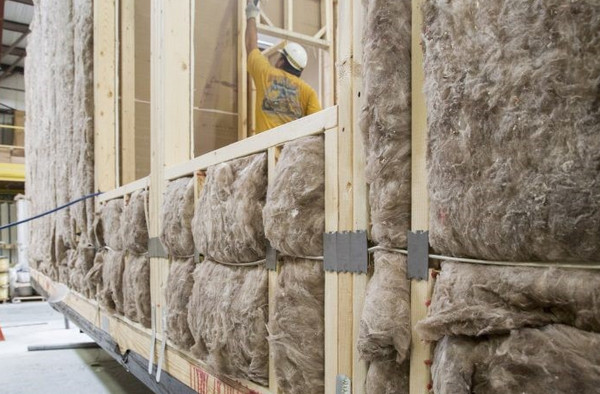
Best Insulation for Mobile Homes: Types to Consider
Different insulation materials work better for different parts of the home. Florida conditions require materials that resist moisture and heat.
Next, each insulation type offers unique benefits and installation methods. Choosing the right one depends on your home’s structure.
Common insulation options include:
- Fiberglass batts for walls and ceilings
- Spray foam for sealing gaps and air leaks
- Foam board for floors and skirting
- Reflective insulation for heat control
Then, selecting the right combination improves overall performance.
Fiberglass Insulation: A Budget-Friendly Option
Fiberglass insulation remains a popular choice for many homeowners. It works well in walls and ceilings.
Next, this material is easy to install and widely available. It also offers decent thermal resistance.
Then, fiberglass performs best when kept dry. Moisture can reduce its effectiveness over time.
After that, proper installation prevents gaps and air leaks. This step improves its overall performance.
Spray Foam Insulation for Better Air Sealing
Spray foam insulation creates a tight seal in small gaps and openings. This feature makes it ideal for mobile homes.
Next, it expands after application and fills hard-to-reach areas. This reduces air leaks and improves efficiency.
Then, spray foam also resists moisture, which suits Florida’s climate.
After that, professional installation often provides the best results. This method ensures full coverage and proper sealing.
Best Insulation for Mobile Homes: Foam Board for Floors
Foam board insulation works well under mobile homes. It provides strong resistance against heat and moisture.
Next, this material fits easily between floor joists. It creates a barrier against outdoor air.
Then, foam boards help maintain indoor temperature during hot and cool periods.
After that, combining foam board with proper skirting improves floor protection.
Reflective Insulation for Heat Control
Reflective insulation helps block heat from entering the home. It works well in Florida’s sunny conditions.
Next, this material reflects radiant heat away from the home. It reduces indoor temperature during hot days.
Then, reflective insulation is often installed in attics or roof areas. This placement improves cooling performance.
After that, pairing reflective materials with other insulation types increases effectiveness.
Where to Install Insulation in a Mobile Home
Proper placement improves insulation performance. Each part of the home requires attention.
Next, focus on areas where heat and air enter most often.
Key insulation areas include:
- Under the home and flooring
- Walls and interior panels
- Ceilings and roof cavities
- Around windows and doors
Then, sealing gaps in these areas improves energy efficiency.
Moisture Control and Ventilation Tips
Florida humidity can damage insulation if not managed well. Moisture control remains a top priority.
Next, use vapor barriers under the home to reduce ground moisture. This step protects insulation materials.
Then, keep vents clear to allow proper airflow. Good ventilation reduces trapped moisture.
After that, inspect insulation regularly for signs of mold or damage.
Energy Savings With Proper Insulation
Energy savings improve when insulation performs well. Florida homeowners often see lower cooling costs.
Next, better insulation reduces strain on air conditioning systems. This leads to longer system life.
Then, maintaining stable indoor temperatures improves comfort throughout the year.
After that, combining insulation with sealing methods increases efficiency even more.
Common Insulation Mistakes to Avoid
Many homeowners make simple errors during insulation upgrades. Avoiding these mistakes saves money and effort.
Next, do not install insulation without sealing air leaks first. Air gaps reduce effectiveness.
Then, avoid using the wrong material for high-moisture areas. Some materials fail in humid conditions.
After that, do not compress insulation during installation. This reduces its performance.
Choosing the Right Insulation for Your Home
Selecting the best insulation depends on your home’s needs and budget. Each material serves a different purpose.
Next, consider your local climate and home structure. Florida conditions require moisture-resistant options.
Then, combining multiple insulation types often delivers better results.
After that, working with a trusted mobile home dealer can help guide your decision.
Frequently Asked Questions About Best Insulation for Mobile Homes
What Is the Best Insulation for Mobile Homes in Florida?
Spray foam and reflective insulation work well in hot, humid conditions.
Can I Install Insulation Myself?
Yes, yet some types like spray foam need professional installation.
Does Insulation Reduce Energy Costs?
Yes, proper insulation lowers cooling and heating expenses.
How Often Should Insulation Be Replaced?
Check every few years and replace if damaged or worn.
Is Fiberglass Good for Mobile Homes?
Yes, it works well when kept dry and installed properly.
What Areas Need Insulation the Most?
Floors, walls, ceilings, and gaps around openings need attention.
How Do I Prevent Moisture Damage?
Use vapor barriers and maintain proper ventilation.
Can Insulation Improve Indoor Comfort?
Yes, it keeps temperatures stable throughout the year.
Is Reflective Insulation Effective in Florida?
Yes, it reduces heat gain from strong sunlight.
Should I Combine Different Insulation Types?
Yes, combining materials often improves overall performance.
Final Thoughts on Improving Home Comfort
Best insulation for mobile homes helps Florida homeowners reduce heat, control moisture, and save energy. Choosing the right materials and installing them properly makes a clear difference. Regular checks and small upgrades keep your home efficient and comfortable year-round.