Florida continues to be one of the most popular destinations for mobile home buyers. Its sunny weather, beautiful beaches, and absence of state income tax make it a dream location for retirees, seasonal residents, and investors alike. Many residents who already live in mobile home parks are now considering buying a mobile home in the same park, either as an investment or to expand their living space.
While this idea can seem convenient and profitable, there are important factors to understand before making your next move. From park regulations to ownership limits and maintenance costs, being informed helps you avoid mistakes and protect your investment.
Why Buyers Choose to Purchase a Second Mobile Home in the Same Park
There are several reasons why someone might want to buy another mobile home in the same community. For one, it’s convenient. You already know the neighbors, management, and amenities, making the process smoother. It’s also easier to monitor and maintain multiple homes when they’re within walking distance of each other.
At The Mobile Home Dealer, we often work with buyers who want to purchase a second or third home in the same Sarasota mobile home park. Some are investors planning to flip or rent these homes, while others are retirees looking for a hobby project or a guest house for visiting family.
For example, a recent buyer in Sarasota purchased a second mobile home just a few streets away from their current residence. The husband, a retired carpenter, wanted a small “fixer-upper” to work on during his free time. After completing the renovation, the couple planned to sell the remodeled home and reinvest in another within the same park—a cycle that could bring steady profit and satisfaction.
But before jumping into a similar plan, it’s critical to understand that buying a mobile home in the same park involves more than just signing another contract.
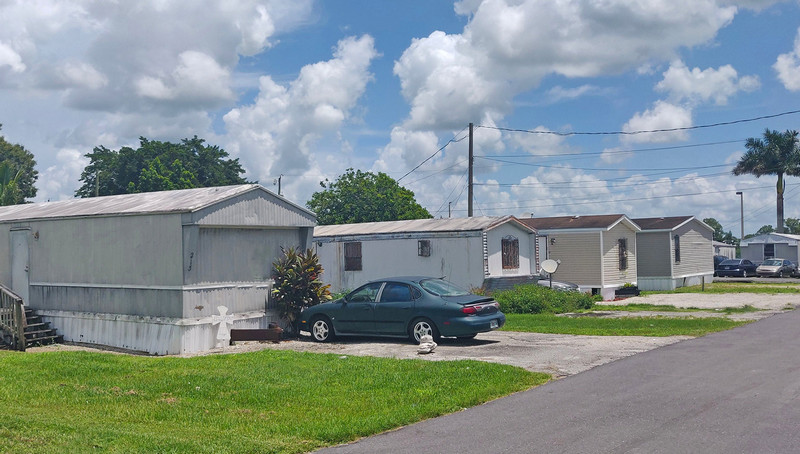
Park Regulations and Ownership Restrictions
Every mobile home park operates under its own set of rules and regulations, typically found in a document called a “park prospectus.” This document outlines everything you need to know about living and owning property in the park, including:
- Rules for pets, guests, and noise levels
- Maintenance and appearance standards
- Trash collection schedules
- Land use policies and resale guidelines
- Most importantly: how many homes one resident can own within the same park
Understanding these rules is essential before committing to another purchase. Park management sets ownership limits to maintain balance and avoid giving too much control to one individual or group.
Why Parks Limit the Number of Homes One Resident Can Own
Imagine a park with 100 lots, all occupied. If a single resident buys 20 homes, they now control 20% of the park. If that resident disagrees with a rent increase or new rule and decides to pull all 20 homes, the park would lose 20% of its revenue overnight—potentially devastating its financial stability.
To prevent situations like this, most parks cap the number of homes one resident can own. Before buying a mobile home in the same park, talk to park management to find out the limit and request written confirmation. This ensures your plans align with park policy and avoids future conflicts.
Advantages of Buying a Mobile Home in the Same Park
If allowed, purchasing an additional home in the same park can offer several benefits:
- Familiarity: You already know the community layout, management style, and overall atmosphere.
- Convenience: Maintaining two homes in the same area is much easier than managing properties across different parks or cities.
- Investment Opportunity: You can flip or rent out one unit for steady income while living in the other.
- Community Ties: Staying in the same park strengthens social connections and ensures continuity in your lifestyle.
Challenges to Consider Before Buying
Although the idea sounds promising, owning multiple homes in the same park also presents challenges. Maintenance expenses, insurance costs, and management responsibilities will double or triple depending on how many homes you buy. Additionally, reselling homes within the same park can take longer if market demand slows.
If you plan to fix and flip homes, consider starting with one or two at a time. This allows you to manage expenses and stay compliant with park rules while testing your investment strategy.
Financial Considerations When Owning Multiple Mobile Homes
Owning multiple properties means managing more than just purchase costs. You’ll also need to budget for:
- Lot rent for each home
- Insurance coverage (often higher for older units)
- Maintenance and repair expenses
- Utility bills and park fees
- Possible renovation costs for investment units
Before purchasing, create a financial plan that accounts for emergencies and long-term upkeep. While flipping can bring profit, it also requires patience, effort, and capital to handle unexpected expenses.
Tips for Success When Buying a Second Mobile Home
Review the Park’s Prospectus Thoroughly – Read all rules and ownership limits carefully. Ask management for clarification if needed.
Inspect the Home Carefully – Hire professionals to check the roof, plumbing, and foundation.
Budget Realistically – Consider ongoing costs like lot rent and repairs.
Start Small – Begin with one additional home before scaling your investment.
Build a Relationship with Park Management – Clear communication prevents misunderstandings and ensures smoother transactions.
Frequently Asked Questions
1. Can I own more than one mobile home in the same park?
Yes, but most parks limit how many homes a single resident can own. Always confirm with park management first.
2. Why would someone buy multiple homes in one park?
Many buyers purchase additional homes as investments to rent, flip, or use for family members.
3. Do I need separate lot leases for each home?
Yes. Each home requires its own lease agreement with the park management.
4. Is it cheaper to buy a second home in the same park?
Often yes, since you already know the park’s pricing structure and maintenance costs.
5. What happens if the park doesn’t allow multiple ownership?
You’ll need to look for another community that permits multiple properties or partner with a co-owner.
6. Can I rent out my second mobile home?
Only if the park’s rules allow subleasing. Always verify this before buying.
7. How do I find the park’s rules and prospectus?
Request a copy from the park office or management before making any purchase decision.
8. Is buying multiple mobile homes a good investment?
It can be profitable if done wisely and within park regulations. Proper maintenance and location are key.
9. What are the biggest risks of owning several mobile homes?
Increased maintenance costs, potential vacancies, and restrictions on ownership limits are common risks.
10. Should I buy homes that need repairs?
Yes, if you have the skills or budget for renovation. Fixer-uppers can offer great returns when flipped correctly.
Final Thoughts
Buying a mobile home in the same park can be a rewarding investment or lifestyle choice when done carefully. It offers convenience, community, and profit potential—but it also requires understanding park rules, ownership caps, and ongoing expenses.
Bottom line: Before purchasing another home, talk to park management, review the prospectus, and plan your budget thoroughly. With the right preparation, owning multiple mobile homes in the same community can help you achieve financial growth and enjoy the Florida lifestyle you love.