
Mobile homes—also known as manufactured homes—are an affordable and flexible housing option for many families across the United States. However, one common concern among homeowners and buyers is: can a mobile home collapse?
While modern manufactured homes are built under strict federal safety standards, certain conditions can still compromise their structural integrity. In this guide, we’ll explain how collapses can happen, how to prevent them, and what steps you can take to keep your mobile home strong and secure for years to come.
How Mobile Homes Are Built for Safety
Since 1976, all manufactured homes have been built according to the U.S. Department of Housing and Urban Development (HUD) code. This federal standard ensures homes are constructed with safety, durability, and performance in mind. The code regulates everything from structural design to wind resistance, making today’s mobile homes much safer than older models.
That said, just like traditional houses, mobile homes can face issues if not installed or maintained properly. The most common causes of structural failure or collapse are environmental conditions, poor installation, or neglect.
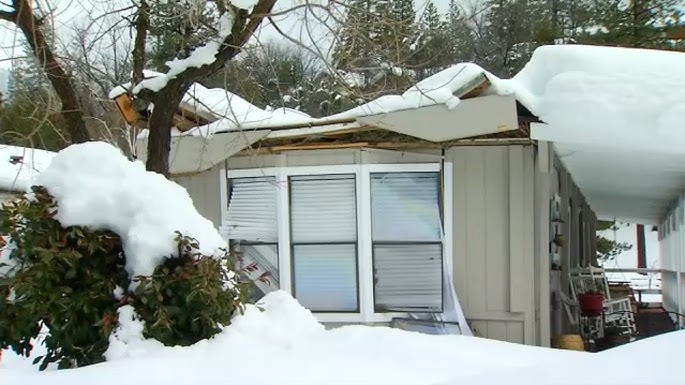
Here are the key risk factors that could cause a mobile home to collapse:
- Severe Weather: Heavy snow, high winds, or flooding can damage the roof or structure—especially if drainage is poor or the home isn’t anchored properly.
- Improper Installation: Mobile homes must be securely anchored to their foundation. Poor anchoring or uneven ground can lead to instability.
- Structural Deterioration: Over time, weather exposure and lack of maintenance can cause roofs, walls, or floors to weaken.
- Foundation Problems: Settling or erosion under the home can make the frame uneven and lead to sagging or collapse.
- Neglect and Lack of Repairs: Small issues like leaks, rust, or cracks can worsen over time if ignored, reducing the home’s strength.
Modern manufactured homes are engineered to resist these threats, but owners must stay proactive to ensure long-term safety and stability.
How to Prevent a Mobile Home Collapse
If you’re worried about whether a mobile home can collapse, the good news is that prevention is straightforward. With proper maintenance and safety checks, your home can remain secure for decades. Here are essential tips to reduce the risk:
- Check Anchors and Tie-Downs: Make sure your mobile home is properly anchored based on your wind zone. In high-wind areas, reinforced anchoring systems are vital for stability.
- Inspect Regularly: Schedule annual inspections of your roof, siding, flooring, and foundation. Look for cracks, soft spots, or sagging.
- Remove Heavy Snow: If you live in snowy regions, clear accumulated snow from the roof to avoid structural stress.
- Fix Leaks Immediately: Water damage weakens the roof and walls over time, leading to rot and collapse risks.
- Monitor Weather Conditions: Stay alert to severe weather warnings. If a strong storm or tornado is approaching, seek shelter in a more secure structure.
Taking these preventive steps significantly decreases the chances of collapse and ensures your home remains safe in all weather conditions.
Other Safety Concerns Beyond Collapse
While collapse is a major concern, other safety risks also exist for mobile homeowners. Addressing them ensures a well-maintained, long-lasting home.
- Fire Safety: Manufactured homes can be vulnerable to fire due to electrical or heating issues. Install smoke and carbon monoxide detectors in every room and test them regularly.
- Mold and Moisture: Poor ventilation can lead to mold growth, which weakens structural materials and affects air quality. Ensure proper ventilation in kitchens and bathrooms.
- Electrical Systems: Faulty wiring is a common hazard in older mobile homes. Have a certified electrician inspect your system and upgrade outdated wiring if needed.
- Foundation Shifting: Uneven foundations can create gaps between walls and flooring. Inspect regularly and relevel your home if necessary.
Comparing Mobile Homes and Traditional Homes
It’s a common misconception that traditional homes are always safer than mobile homes. In reality, both have vulnerabilities. Traditional homes can also sustain serious damage during hurricanes, tornadoes, or earthquakes.
The key difference is that manufactured homes must meet specific HUD safety standards for wind and structural stability. As long as they’re properly installed, maintained, and anchored, they’re just as secure as many site-built homes in comparable conditions.
In short, both housing types require consistent upkeep and weather awareness to remain safe and durable.
Buying a Mobile Home? Here’s What to Know
If you’re thinking about purchasing a mobile home, understanding its safety and history is critical. Before buying, consider the following:
- Check the Age: Homes built before 1976 may not meet HUD standards and could have outdated materials.
- Inspect Thoroughly: Hire a licensed mobile home inspector to check for roof leaks, foundation issues, and structural weaknesses.
- Research Wind Zone Rating: Make sure the home is rated for the wind conditions in your area.
- Review Maintenance Records: Ask about past repairs and replacements, especially for the roof and foundation.
- Understand Park Rules: If your home is located in a park, review the community’s regulations on anchoring, repairs, and modifications.
Making an informed purchase ensures that you invest in a mobile home built to last—and gives you confidence in its safety and performance.
Frequently Asked Questions
1. Can a mobile home collapse from high winds?
Yes, if it’s not properly anchored or if the wind exceeds the home’s rated limit.
2. How can I tell if my mobile home is at risk of collapsing?
Look for sagging floors, cracked walls, or leaks in the roof. These can be early signs of structural weakness.
3. Do newer mobile homes collapse less often?
Yes. Modern homes built after 1976 follow HUD safety standards, making them more resistant to collapse.
4. What is the biggest cause of mobile home collapse?
Severe weather and improper installation are the leading causes.
5. Can snow make a mobile home collapse?
Yes, excessive snow on a flat roof can cause stress and potential failure if not cleared promptly.
6. How often should I inspect my mobile home?
At least once a year, or after severe weather events.
7. Is it safe to live in a mobile home during a storm?
It’s safe in moderate conditions, but during tornadoes or hurricanes, you should seek sturdier shelter.
8. Can a weak foundation cause collapse?
Yes, a shifting or deteriorating foundation can destabilize your entire home.
9. What maintenance prevents collapse?
Regular roof, anchor, and foundation inspections, plus timely repairs to leaks or damage.
10. Are mobile homes safer today than in the past?
Absolutely. Modern HUD regulations make today’s manufactured homes far safer and stronger than pre-1976 models.
Final Thoughts
So, can a mobile home collapse? Under extreme conditions, yes—but in reality, collapses are rare in modern, well-maintained homes. Homes built under HUD guidelines are engineered for safety and can last for decades when properly cared for.
The key lies in proactive maintenance: inspect regularly, ensure proper anchoring, and respond quickly to signs of wear or weather damage. By staying informed and taking precautions, mobile homeowners can enjoy both comfort and peace of mind knowing their home is safe, stable, and built to endure.