
Can a mobile home park take your mobile home is one of the most common questions Florida mobile home owners ask when problems arise with park management. This concern often surfaces after missed lot rent payments, rule disputes, or eviction notices. While park owners control the land, mobile home owners usually hold title to the home itself. That separation creates confusion, fear, and misinformation.
Florida law sets clear limits on what a mobile home park may do. Parks cannot simply take ownership of a home without following strict legal steps. Still, owners who delay action may face forced sales, liens, or abandonment claims. Knowing how the law works helps owners protect their property and make informed decisions.
How mobile home ownership works in Florida parks
Mobile home ownership in Florida involves two separate interests. The homeowner owns the structure. The park owns the land beneath it. This split matters during disputes, since eviction affects land possession, not home ownership.
Most mobile homes in Florida parks remain classified as personal property. That classification means a park cannot seize a home the same way a landlord takes an apartment. Ownership stays with the title holder unless a court orders a sale. Even then, the park must follow detailed notice and waiting requirements.
Problems usually begin after unpaid lot rent. Monthly lot rent in Florida commonly ranges from $500 to $1,200, depending on county and amenities. When rent goes unpaid, parks may issue written notices that start the legal process.
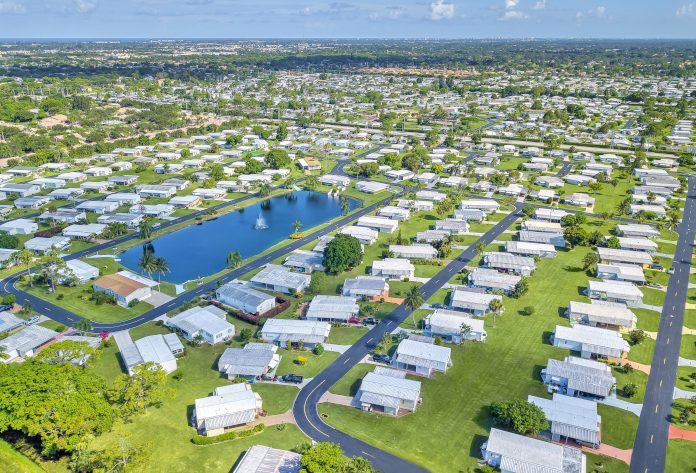
Can a mobile home park take your mobile home under Florida law
Can a mobile home park take your mobile home under Florida law depends on whether the park follows the required legal process. A park cannot take a home without court involvement. Threats, letters, or verbal demands do not transfer ownership.
When rent remains unpaid, the park may file an eviction case in county court. Eviction grants possession of the lot only. It does not transfer ownership of the home. The homeowner keeps the title unless the home later qualifies as abandoned under state law.
Some parks attempt to file liens for unpaid rent. Florida law allows this after proper notice. A lien secures the debt but does not give the park immediate ownership of the home.
Common reasons disputes develop between owners and parks
Unpaid lot rent remains the leading cause of disputes. Late fees often range from $25 to $50 per month. Interest charges may apply as well. Over time, balances grow quickly, especially when legal fees enter the picture.
Rule violations trigger other disputes. These include unapproved repairs, exterior changes, additional occupants, or pets that violate park rules. Parks must issue written cure notices that provide time to correct violations before escalating matters.
Court filings add pressure. Filing fees in Florida eviction cases usually fall between $185 and $400. Attorney fees often push total claims into the $2,000 to $8,000 range.
Financial pressure after eviction filings
Once an eviction case begins, pressure increases rapidly. Even if the owner plans to move, relocation costs create another barrier. Moving a mobile home in Florida typically costs between $5,000 and $15,000, depending on size, distance, and setup requirements.
Many owners cannot afford that expense. As a result, homes often remain on the lot after eviction. This situation opens the door to abandonment claims if the owner stops communicating or fails to respond to notices.
At this stage, acting early often prevents worse outcomes.
Can a mobile home park take your mobile home after eviction
Can a mobile home park take your mobile home after eviction still requires compliance with Florida abandonment laws. Eviction alone does not give the park ownership of the home.
A park may claim abandonment only after meeting legal conditions. These include missed rent, lack of occupancy, and failure to respond to mailed notices. Florida law requires waiting periods before any sale occurs.
Once abandonment is declared, the park may sell the home to recover unpaid rent and costs. The sale must follow notice and publication rules. Any funds remaining after debts must be returned to the owner.
Abandonment timelines and sale outcomes
Abandonment claims require patience from the park. Florida law generally requires at least 45 days after notice before action continues. Notices must go to the owner’s last known address.
Sales often happen through public auction. Unfortunately, auction prices tend to be low. Many abandoned mobile homes in Florida sell for $3,000 to $10,000. Those amounts rarely cover past rent, legal fees, and storage costs.
Owners who wait until this stage usually lose control over the outcome.
Liens, judgments, and collection risks
Liens attach to the mobile home title when properly filed. They secure unpaid rent and fees, but do not automatically transfer ownership. Judgments may follow court cases when owners fail to appear or respond.
Judgment amounts often range from $2,000 to $8,000. Collection efforts may include wage garnishment or bank levies. Credit reports may reflect unpaid judgments, adding long-term financial strain.
Addressing disputes early reduces these risks.
Owner rights during disputes with mobile home parks
Florida law gives mobile home owners strong protections. Parks must provide written notice for rent issues and rule violations. Notice timing and content matter greatly.
Owners may contest evictions in court. Judges review whether notices comply with state requirements. Errors in notices often lead tothe dismissal of cases.
Maintaining records strengthens an owner’s position.
- Keep copies of rent receipts
• Save all written notices
• Respond in writing to park communications
Clear documentation often changes outcomes.
Selling a mobile home before problems escalate
Many owners choose to sell before eviction or abandonment risks grow. Selling early preserves value and avoids court involvement. Cash buyers often close within seven days.
In Florida, distressed mobile homes commonly sell between $5,000 and $25,000, depending on condition and location. While this may feel low, it often exceeds auction outcomes.
Parks usually prefer vacant lots, which can ease approval during a sale.
- Cash sales avoid realtor commissions
• Closings skip lender delays
• Owners avoid judgments and liens
Can a mobile home park take your mobile home during a sale
Can a mobile home park take your mobile home during a sale is another common concern. Ownership transfers only when title changes hands. The park cannot interfere with a lawful sale.
Parks do retain buyer approval rights. Approval usually involves background checks and income verification. A denied buyer can delay a sale, so working with experienced buyers helps prevent setbacks.
Professional buyers handle park coordination and paperwork, reducing stress for sellers.
Legal costs versus home value
Legal defense costs add up quickly. Florida attorneys often charge $250 to $400 per hour. Total defense expenses may exceed the home’s value in lower-priced units.
Some owners represent themselves to save money. This approach carries risk, especially when deadlines are missed. Default judgments may follow.
Comparing legal costs with expected sale value helps guide decisions.
FAQ: Mobile home park rights in Florida
Can a mobile home park take your mobile home for unpaid rent?
No. Court action and legal notices are required.
Does eviction mean losing ownership of the home?
No. Eviction affects lot possession only.
How long before a home is considered abandoned?
Florida law usually requires at least 45 days after notice.
Can a park sell my home without notice?
No. Written notice and waiting periods apply.
What happens to extra sale funds?
Remaining funds must go to the owner.
Can a lien give the park ownership?
No. A lien only secures the debt.
Can parks block buyers during a sale?
Yes. Buyer approval rules apply.
How much does moving a mobile home cost?
Moving typically costs $5,000 to $15,000 in Florida.
Can unpaid rent affect credit reports?
Yes. Judgments may appear on credit reports.
Is selling early a smart option?
Many owners sell early to avoid court action.
Final thoughts for Florida mobile home owners
Can a mobile home park take your mobile home remains a serious concern for many Florida owners. State law limits park authority and requires court oversight. Owners who act early keep more control and protect more value.
When disputes arise, timing matters. Selling before eviction or abandonment often prevents losses, stress, and long-term financial damage. The Mobile Home Dealer helps Florida owners resolve these situations quickly and legally, with straightforward options that protect their interests.