
Florida’s hurricane-prone climate makes it essential for homeowners to consider the resilience of their housing structures. Mobile homes, also known as manufactured homes, are popular due to their affordability and flexibility. However, their lightweight construction and unique design can make them more vulnerable to hurricane damage. This article explores how mobile homes can be reinforced, the regulations that protect residents, and practical mobile home upgrades to improve hurricane resilience.
Vulnerabilities of Mobile Homes in Hurricanes
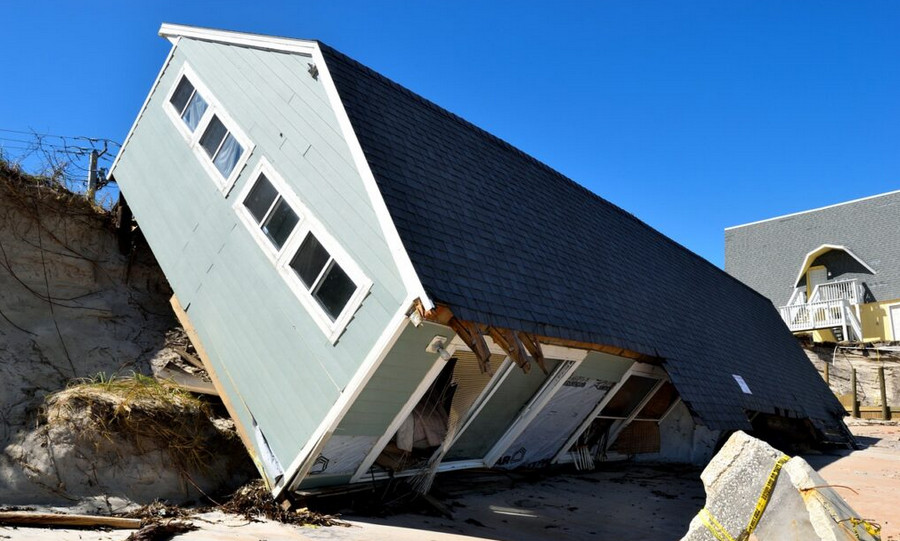
Mobile homes face several challenges during severe storms compared to traditional stick-built houses. These vulnerabilities include:
Lightweight Construction: Built with lighter materials to enable transportation, mobile homes are cost-effective but lack the structural strength of conventional homes.
Foundation Limitations: Most mobile homes sit on blocks or piers, making them susceptible to flooding or shifting during high winds.
Design Standards: Manufactured homes follow different construction standards than traditional houses, often leaving them more exposed to wind and debris.
Roof Weakness: Flat or low-pitched roofs common in mobile homes are more prone to wind uplift, while steep roofs in traditional homes better withstand hurricane-force winds.
Recognizing these vulnerabilities helps homeowners take proactive measures to protect their property and ensure safety during storms.
Building Codes and Regulations
Florida has implemented strict building codes to improve the safety of mobile homes in hurricane-prone areas. The Florida Building Code (FBC) sets standards specifically for manufactured homes, addressing structural integrity, anchoring, and installation requirements.
Wind Resistance Standards: The FBC specifies construction requirements based on regional hurricane wind speeds, ensuring homes can withstand significant forces.
Anchoring Systems: Proper anchoring secures the home to its foundation, reducing the risk of being lifted or displaced during high winds.
Installation Guidelines: Correct installation, including site preparation and securing utilities, ensures the home maintains structural integrity under storm conditions.
These regulations form the baseline for safety, but homeowners can further enhance protection with targeted mobile home upgrades.
Essential Mobile Home Upgrades for Hurricane Resilience
Implementing upgrades can significantly reduce risks and increase comfort and safety during storms. Key upgrades include:
Reinforced Roofing: Strengthen roofs with hurricane straps or additional bracing to prevent wind damage.
Storm Shutters: Protect windows with impact-resistant shutters or reinforced glass.
Improved Anchoring: Upgrade tie-down systems to modern standards for enhanced stability.
Exterior Reinforcements: Secure siding, doors, and utility connections to prevent damage from debris.
Energy-Efficient Insulation: While improving comfort, upgraded insulation also strengthens walls and ceilings against wind pressure.
These upgrades not only enhance safety but can also improve energy efficiency and the overall durability of your mobile home.
Precautions for Residents
Even with upgrades and code compliance, residents play a crucial role in protecting themselves and their homes. Effective precautions include:
Regular Maintenance: Inspect and repair any structural damage, leaks, or worn components before hurricane season.
Secure Outdoor Items: Anchor furniture, grills, and other potential projectiles to prevent additional damage.
Evacuation Planning: Establish clear evacuation routes and know the locations of nearby community shelters.
Emergency Kits: Keep essential supplies, including water, food, and medical necessities, in an accessible location.
Community Coordination: Stay informed through local alerts and coordinate with neighbors to ensure collective safety.
By combining proactive upgrades with vigilant precautions, residents can significantly reduce the risks associated with hurricane exposure.
FAQ on Mobile Home Upgrades for Hurricanes
1. What are the most effective upgrades for hurricane protection?
Reinforced roofing, storm shutters, upgraded anchoring, and secure siding are among the most effective upgrades.
2. Can mobile homes meet hurricane-resistant building codes?
Yes, Florida’s Building Code provides standards specifically for manufactured homes to ensure hurricane resilience.
3. Are storm shutters necessary for all mobile homes?
While optional, they significantly reduce the risk of window damage during hurricanes.
4. How often should mobile homes be inspected?
Annual inspections, especially before hurricane season, are recommended to identify vulnerabilities.
5. Can insulation upgrades improve hurricane safety?
Yes, energy-efficient insulation strengthens walls and ceilings, improving overall structural integrity.
6. Are community shelters safer than staying in a mobile home?
In many cases, yes. Evacuating to a well-constructed shelter is often safer during severe storms.
7. How can outdoor items be secured effectively?
Use tie-downs, heavy-duty straps, or storage to prevent them from becoming wind-borne hazards.
8. Does upgrading a mobile home affect insurance rates?
Yes, homes with hurricane-resistant upgrades may qualify for lower insurance premiums.
9. Are all mobile homes equally vulnerable to hurricanes?
Older models or those without modern upgrades are generally more susceptible than newer, code-compliant homes.
10. Where can I learn more about mobile home upgrades and safety?
Visit The Mobile Home Dealer for expert advice, listings, and upgrade guidance.
Bottom Line
Mobile homes in Florida can be vulnerable to hurricanes, but a combination of regulatory compliance, proactive mobile home upgrades, and resident precautions greatly reduces risk. Strengthening roofs, anchoring homes properly, installing storm shutters, and maintaining the property are critical steps in hurricane preparedness. By staying informed and implementing strategic upgrades, mobile homeowners can enjoy affordable and flexible housing while significantly enhancing safety during storms. Upgrades not only improve resilience but also boost energy efficiency and overall comfort, making your mobile home a secure and sustainable investment.