
The idea of owning a home that perfectly fits your lifestyle and budget is something many dream about. However, the rising costs of traditional home construction have made people search for more affordable and flexible options. One increasingly popular choice is to build your own mobile home — a project that combines creativity, customization, and cost efficiency.
But before you dive into the process, it’s important to understand what it really means to design and build your own mobile home, what challenges you might face, and how to navigate the legal and technical aspects successfully. This guide breaks down everything you need to know to make your DIY mobile home project a success.
Understanding What a Mobile Home Really Is
Before you start planning to build your own mobile home, it’s essential to understand what qualifies as one. A mobile home (also known as a manufactured home) is a prefabricated house built in a factory under the U.S. Department of Housing and Urban Development (HUD) standards. Once built, it’s transported to a site for installation. These homes are designed for mobility, but most remain permanently in one location once installed.
Mobile homes come in different types — single-wide, double-wide, and triple-wide — each offering various layouts, features, and price points. The primary benefits of mobile homes include affordability, speed of construction, and flexibility. Because they’re made in controlled environments, they also tend to produce less waste and have lower labor costs than site-built homes.
Can You Really Build Your Own Mobile Home?
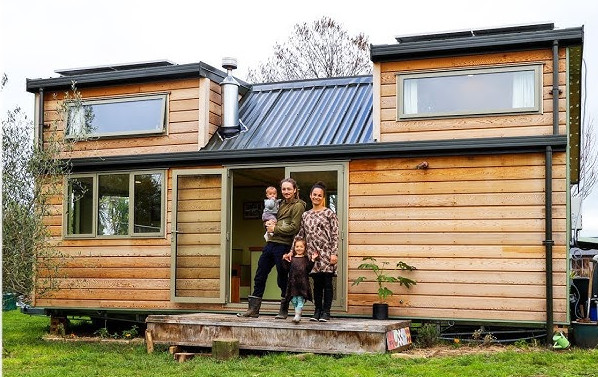
The short answer is yes — you can build your own mobile home, but it’s not as simple as many people think. Constructing one from scratch involves dealing with strict codes, engineering designs, and specialized materials. It’s a far more complex project than building a shed or renovating a room.
Here are a few important factors to consider before deciding to build your own mobile home:
- Building Codes and Regulations: All mobile homes must meet HUD building codes to ensure safety, durability, and energy efficiency. Failing to comply can make your home illegal for habitation or resale.
- Engineering and Design: A mobile home’s structure must support weight safely during both transport and long-term placement. That means you’ll need engineering knowledge or a professional consultant.
- Skills and Expertise: Building requires hands-on experience in construction, electrical work, plumbing, and HVAC systems. Without these skills, you’ll likely need to hire licensed specialists for certain parts.
- Tools and Equipment: Constructing a mobile home involves heavy-duty materials and specialized tools — a significant investment for individual builders.
- Time Commitment: Even with help, designing and building your mobile home can take months of planning and construction. Proper scheduling is critical to stay within budget and timelines.
Alternative Ways to Build a Mobile Home
While building from scratch is possible, many aspiring homeowners find it easier to use hybrid or assisted approaches. Here are a few popular methods that make the process smoother and more affordable:
- Prefabricated Mobile Home Kits: Some manufacturers sell DIY kits that include pre-cut materials, detailed blueprints, and step-by-step instructions. These kits simplify the process while maintaining compliance with HUD standards.
- Modular Construction: Modular homes are built in sections (modules) in a factory and then assembled on-site. This approach allows customization while minimizing construction errors and delays.
- Collaborative Building: Some DIYers choose to handle specific parts of construction themselves (like interior design or finishes) and hire professionals for structural or electrical work. This combination saves money without compromising safety.
If your goal is to build a home tailored to your needs, these methods offer flexibility without the overwhelming challenges of doing everything alone.
Important Considerations Before You Build
Whether you plan to assemble a kit or start from the ground up, success depends on preparation. Here are essential steps to follow before you build your own mobile home:
- Research and Education: Learn about HUD regulations, local zoning laws, and construction methods. Online courses, YouTube tutorials, and workshops can help you understand technical concepts before starting.
- Set a Realistic Budget: Consider costs for materials, tools, land, permits, labor (if needed), and transport. Always include a contingency fund of at least 10–15% for unexpected expenses.
- Choose the Right Site: Pick a lot that’s zoned for manufactured homes. Check for access to water, sewer, electricity, and proper road conditions for home delivery.
- Obtain Permits and Inspections: Contact your local building authority for required permits. Regular inspections will ensure your home meets legal safety and energy standards.
- Focus on Safety: Use quality materials and follow safety protocols. Poor wiring, plumbing, or insulation can lead to long-term problems and hazards.
- Plan for Utilities and Foundations: Even though mobile homes can be placed on temporary supports, a permanent foundation adds value and stability. Ensure utility hookups comply with local codes.
Building and Finishing the Mobile Home
Once permits and designs are approved, it’s time to bring your vision to life. Construction typically follows these stages:
- Foundation Setup: Prepare the ground and lay the foundation or anchor system where the mobile home will sit.
- Frame Construction: Build or assemble the structural frame, including walls, roof, and floors. Make sure materials are rated for durability and mobility.
- Systems Installation: Install plumbing, electrical wiring, and HVAC systems — all must pass inspections to ensure safety and code compliance.
- Interior and Exterior Finishing: Paint walls, install flooring, fit windows and doors, and complete the kitchen and bathroom areas. Exterior finishes like siding and roofing improve weather resistance.
When completed, schedule a final inspection before moving in to verify compliance with all housing codes and HUD certification requirements.
Frequently Asked Questions
1. Is it legal to build your own mobile home?
Yes, but you must comply with HUD codes and local building regulations to make it legal for occupancy or resale.
2. How much does it cost to build your own mobile home?
Costs range from $40,000 to $100,000 depending on size, materials, and labor needs. DIY kits can reduce expenses significantly.
3. Do I need a permit to build a mobile home?
Yes, permits are mandatory for construction, installation, and utility connections.
4. Can I design my own mobile home layout?
Absolutely. Custom layouts can be created, though they must still meet HUD and state building requirements.
5. How long does it take to build a mobile home?
Most DIY or kit-based builds take 3 to 6 months from planning to completion.
6. What is the difference between modular and mobile homes?
Modular homes are built in sections and assembled on-site, while mobile homes are factory-built and moveable.
7. Can I build my mobile home on any land?
No, zoning laws dictate where mobile homes can be placed. Always verify land use permissions first.
8. Is it cheaper to buy or build a mobile home?
Building can be cheaper if you do some work yourself, but buying prebuilt models saves time and ensures quality control.
9. Are mobile homes durable?
Yes, modern mobile homes are built to high standards and can last 30–50 years with proper maintenance.
10. Can I sell a DIY-built mobile home?
Yes, but it must pass inspection and receive certification proving it meets HUD and state regulations.
Final Thoughts
Deciding to build your own mobile home can be one of the most rewarding projects you ever undertake. While it comes with challenges—such as navigating building codes and managing costs—it also offers flexibility, affordability, and the satisfaction of creating a space truly your own.
For many, the best approach is combining DIY enthusiasm with professional assistance for critical stages like engineering and installation. With proper planning, education, and patience, you can transform an empty lot into your dream home—efficient, affordable, and uniquely yours.