
Can you buy a mobile home in a 55+ community if you are under 55? Many buyers ask this question before searching listings. Age-restricted communities follow federal housing laws and community rules. Yet many buyers feel confused about eligibility and ownership rights.
Buyers often assume age limits block ownership entirely. That assumption is not always accurate. Some communities allow ownership under certain conditions. Others allow younger residents within set limits.
This guide explains how 55+ communities operate. You will learn who can buy, who can live there, and what rules apply. By the end, you will know how to approach your purchase with confidence.
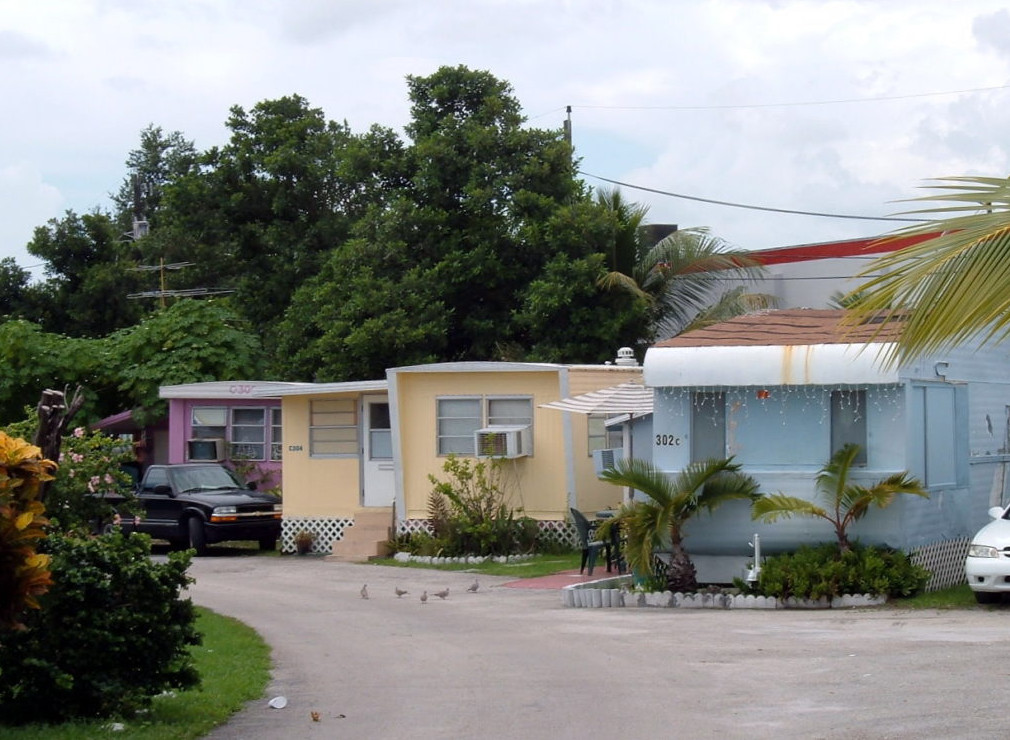
What Is a 55+ Mobile Home Community?
A 55+ community is an age-restricted neighborhood built for older adults. Residents usually seek quieter living and shared amenities. These communities often include clubhouses, walking paths, and social programs.
Federal law allows age-restricted housing under the Housing for Older Persons Act (HOPA). Communities must meet specific requirements to keep their status. At least 80 percent of occupied homes must include one resident aged 55 or older.
This rule creates flexibility. Some residents or owners may be younger. Yet communities must still maintain their required age balance.
Many buyers misunderstand this percentage rule. They think every resident must be over 55. That belief confuses the buying process.
Can You Buy a Mobile Home in a 55+ Community if You Are Under 55?
The answer depends on ownership rules and occupancy policies. In many cases, a buyer under 55 may purchase a home. The key issue involves who will live in the property.
Communities often separate ownership from residency. A younger buyer may own the home as an investment or future residence. Yet the community may require a qualifying resident aged 55 or older.
Some parks allow younger spouses or caregivers. Others permit a limited number of residents under 55 to maintain the 80 percent rule.
Before making an offer, buyers should request written community guidelines. These documents explain age limits, guest policies, and approval procedures.
Why Age Restrictions Exist in Senior Communities
Age restrictions help maintain a consistent lifestyle environment. Residents often seek quiet surroundings and shared interests. Communities shape rules to match those expectations.
Common goals include:
- Reduced traffic and noise levels
- Social activities focused on older adults
- Amenities suited for retirement living
- Stable long-term residency patterns
These guidelines support community identity. Buyers should respect these goals before purchasing.
Ownership vs Residency: A Key Difference Buyers Miss
Many buyers confuse ownership rights with residency approval. Ownership refers to legal title. Residency refers to who may live in the home.
A buyer under 55 may legally purchase property. Yet the park management must approve occupants. Approval usually involves background checks and age verification.
This distinction matters during planning. Some buyers purchase homes for parents or relatives. Others buy early and plan to move later after reaching age eligibility.
Understanding this difference prevents unexpected delays during closing.
Can You Buy a Mobile Home in a 55+ Community if You Are Under 55 as an Investor?
Investment ownership sometimes works within age-restricted communities. Policies vary between parks, so buyers must confirm rules early.
Common investor situations include:
- Buying for a parent aged 55 or older
- Purchasing as a future retirement home
- Renting to age-qualified residents
- Holding property for long-term appreciation
Many communities allow these arrangements. Still, management approval remains required before occupancy.
Buyers should review the lease rules carefully. Some parks restrict rentals or limit rental durations. These policies protect long-term resident stability.
Exceptions That May Allow Younger Residents
Although age rules exist, exceptions often appear within legal limits. Communities may allow younger residents under specific conditions.
Typical exceptions include:
- Spouses or partners under 55 living with a qualifying resident
- Caregivers assisting older occupants
- Disabled adult children living with parents
- A limited percentage of younger residents is allowed by law
Each community interprets these exceptions differently. Always verify rules directly with management.
How Community Approval Works
Approval processes help maintain compliance with federal law. Buyers must usually submit an application before closing.
The process often includes:
- Age verification documents
- Background screening
- Income verification for lot rent
- Review of community guidelines
Approval timelines vary. Some communities respond within days. Others require several weeks.
Starting this process early prevents closing delays.
Financial Considerations for Younger Buyers
Younger buyers should plan their finances carefully before purchasing. Lenders sometimes review residency rules before approving loans.
Key financial points include:
- Loan approval may depend on occupancy eligibility
- Lot rent continues even without occupancy
- Insurance requirements differ by community
- Resale value depends on the buyer eligibility pool
These factors affect long-term planning. Buyers should calculate costs beyond the purchase price.
Questions to Ask Before Buying
Buyers should ask clear questions before signing any agreement. Written answers protect your investment.
Ask management:
- Can owners under 55 purchase homes?
- Who must meet age requirements?
- Are rentals allowed?
- How many residents under 55 are currently approved?
- What happens if occupancy rules change?
Clear communication reduces surprises later.
Common Misunderstandings About Age-Restricted Communities
Many myths circulate about 55+ housing. Clearing them up helps buyers make informed decisions.
Myth: Everyone must be over 55.
Reality: Communities must meet an 80 percent rule.
Myth: Younger buyers cannot own property.
Reality: Ownership often remains allowed with restrictions.
Myth: Rules stay identical across communities.
Reality: Each park creates its own policies within federal law.
Learning these differences helps buyers avoid costly mistakes.
Benefits of Buying Early for Future Retirement
Some buyers purchase early to prepare for retirement living. This strategy can offer advantages.
Benefits may include:
- Locking in current home prices
- Securing preferred community locations
- Allowing property upgrades over time
- Building familiarity with community rules
Planning can simplify future relocation.
FAQ About Buying in Age-Restricted Communities
Can someone under 55 live permanently in a 55+ community?
Some communities allow limited younger residents if age ratios remain compliant.
Can a younger spouse live with a 55+ resident?
Yes, many communities allow spouses under 55 to live together.
Can I buy now and move in later?
Yes, many buyers purchase early and relocate after reaching the eligibility age.
Do all communities follow identical rules?
No, policies vary widely between parks.
Can I rent out the home if I am under 55?
Some communities allow rentals, though restrictions often apply.
Does federal law require every resident to be over 55?
No, only 80 percent of occupied homes must meet the age requirement.
Will lenders approve loans for younger buyers?
Many lenders approve loans if community rules allow ownership.
Can caregivers live in the home?
Yes, caregivers often qualify as permitted residents.
What documents prove age eligibility?
Government IDs and birth certificates are commonly required.
Can community rules change after purchase?
Yes, rule updates may occur, so buyers should review governing documents carefully.
Final Thoughts for Buyers Considering Age-Restricted Communities
The question can you buy a mobile home in a 55+ community if you are under 55 has more than one answer. Ownership often remains possible under certain conditions. Residency approval depends on community policies and federal requirements.
Buyers should research each community carefully before making decisions. Written confirmation protects your purchase and future plans. With proper preparation, younger buyers can still secure homes within age-restricted communities.