
Owning land and placing a mobile home on it is a dream for many people. It combines the freedom of property ownership with the affordability and flexibility of manufactured housing. However, before taking the leap, it’s important to ask: can you move a mobile home to your own property?
The answer is yes—but it’s not as simple as loading the home on a truck and setting it down wherever you like. Moving a mobile home involves permits, zoning regulations, and professional help. In this guide, we’ll walk you through the entire process to help you decide if it’s the right move for you.
Zoning and Permits: The First Step to Moving Your Mobile Home
Before anything else, check whether your land is zoned for manufactured housing. Zoning laws vary across counties and cities, and they dictate what types of structures can be placed on specific properties. Contact your local planning or zoning department to verify the zoning classification and ensure mobile homes are permitted in your area.
You’ll also need to secure multiple permits before moving a mobile home. Typically, you’ll need a moving permit for transportation and a setup permit for installation on your property. These permits ensure the move complies with safety standards and local regulations.
- Pro tip: Always check for local ordinances and community restrictions before purchasing land. Some areas may only allow newer mobile homes built after certain dates or require specific foundation types.
By addressing these legal requirements upfront, you’ll avoid costly mistakes and ensure your move goes smoothly.
Preparing the Property for a Mobile Home
Once you’ve verified zoning and secured the necessary permits, the next step is preparing your land for your mobile home. Proper site preparation ensures stability, safety, and compliance with building codes. Here’s what to consider:
- Site Evaluation: A professional should inspect your property to assess soil stability, drainage, and accessibility. The ground must support the weight and structure of your home.
- Land Preparation: The land may need grading or leveling to create a flat surface. A solid foundation, such as concrete slabs or piers, may also be required.
- Utility Hookups: Plan for access to essential utilities like water, electricity, sewer, and gas. Coordinate with your local utility companies to ensure proper connections before move-in day.
- Skirting and Anchoring: Skirting helps regulate temperature beneath your home and prevents pests from entering. Anchoring systems are crucial for wind resistance, especially in hurricane-prone areas like Florida.
Taking these steps helps you create a safe, stable foundation for your mobile home—an essential step in preventing future issues.
Can You Move Any Mobile Home? Age and Condition Matter
When asking can you move a mobile home to your own property, one critical factor is the home’s age and condition. Homes built before 1976 may not comply with HUD (Department of Housing and Urban Development) standards, which could make them ineligible for relocation.
Some states and localities even restrict the relocation of older mobile homes altogether. If your home was built before the HUD code, you might need to bring it up to modern standards before moving.
It’s highly recommended to have a certified inspector examine the mobile home before relocation. They’ll check the structure, frame, and roof integrity to ensure it can handle transport safely. This inspection also helps identify repairs you might need to make before the move.
Hiring Professional Mobile Home Movers
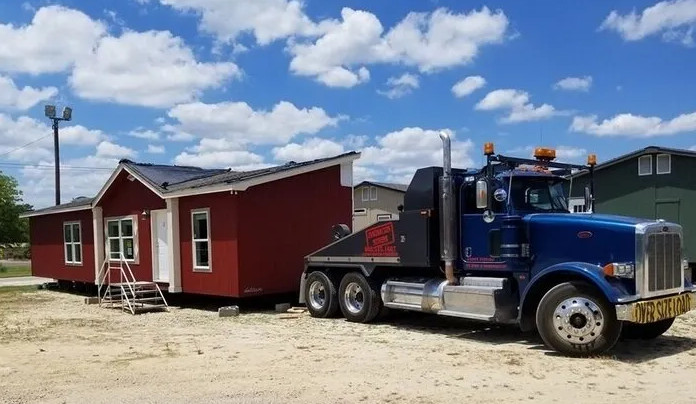
Moving a mobile home isn’t a DIY project—it requires professional expertise. Licensed mobile home movers handle everything from disconnecting utilities to securing transportation permits. They use specialized equipment, such as hydraulic jacks and pilot cars, to transport your home safely.
When hiring movers:
- Get multiple quotes from licensed and insured moving companies.
- Ask about their experience with long-distance or local moves.
- Verify that they handle the necessary state and local moving permits.
- Confirm what’s included in their service—setup, leveling, and reconnection of utilities.
Maintaining communication with your mover throughout the process ensures the move stays on schedule and within budget.
Moving Day: What to Expect
On moving day, the mobile home moving team will carefully handle every stage of the process.
- Preparation: Movers will disconnect all utilities, secure windows and doors, and stabilize the home for transport.
- Transportation: The home will be transported using a large truck or trailer. Depending on its size, an escort vehicle or special permit may be required for oversized loads.
- Placement: Once at your property, the movers will position the home on the prepared foundation, level it, and reconnect the utilities.
This process usually takes one to two days, depending on the distance, site conditions, and weather.
Understanding the Costs of Moving a Mobile Home
The cost of moving a mobile home to your property depends on several factors, including distance, size, and the amount of preparation needed. Here’s a breakdown:
- Distance: Longer moves cost more due to fuel, labor, and permits. Local moves may start around $2,000, while long-distance relocations can exceed $10,000.
- Size and Weight: Double-wide or triple-wide homes require more equipment and labor, increasing the total cost.
- Permits and Inspections: Fees vary by county, but budgeting for several hundred dollars in permits is common.
- Land Preparation: Grading, foundations, and utility hookups can range from $1,000 to $5,000 or more, depending on complexity.
- Repairs and Maintenance: Older homes might need upgrades to meet modern building codes before moving.
Frequently Asked Questions
1. Can you move a mobile home to your own property?
Yes, as long as zoning laws permit it and you have the proper permits and professional movers.
2. Do I need a permit to move a mobile home?
Absolutely. Most states require both moving and installation permits.
3. How much does it cost to move a mobile home?
Costs typically range from $2,000 to $10,000 depending on size, distance, and site preparation.
4. Can I move an older mobile home?
Homes built before 1976 may not meet HUD standards and could require upgrades or approval before moving.
5. Who moves mobile homes?
Licensed and insured mobile home movers handle transport, setup, and utility reconnection.
6. How long does it take to move a mobile home?
A local move can take one to two days, while longer relocations may take a week.
7. Can I move my mobile home myself?
No, mobile homes require professional moving equipment and permits for safe transport.
8. Do I need to prepare my land before moving a home?
Yes, your property must be leveled and have utility access before installation.
9. What happens if my land isn’t zoned for mobile homes?
You’ll need to apply for rezoning or choose a different property that allows manufactured housing.
10. Are there financing options for moving a mobile home?
Some lenders offer personal or chattel loans for moving and setting up a manufactured home.
Final Thoughts
So, can you move a mobile home to your own property? Absolutely—but it’s a process that demands research, permits, and professional guidance. When done right, it allows you to enjoy affordable homeownership on your land while maintaining flexibility for the future.
Make sure your land is zoned correctly, hire experienced movers, and prepare your property properly. With thoughtful planning, you can confidently move your mobile home and turn your dream of owning land into a reality.
Bottom line: Moving a mobile home to your own property takes effort, but it’s worth it. With the right preparation and professionals by your side, you can enjoy the comfort of your manufactured home on your very own land for years to come.