
Owning a mobile home brings flexibility, comfort, and affordability — but it also comes with responsibility. One of the most common questions new owners ask is, “Do I need insurance for my mobile home?” The short answer is yes. Mobile home insurance plays a vital role in protecting your property, personal belongings, and financial stability in the event of accidents, natural disasters, or unexpected damage.
Whether you live in your mobile home year-round or use it seasonally, having the right insurance coverage ensures peace of mind and protection from financial losses. In this guide, we’ll discuss why mobile home insurance matters, what it covers, and how to choose the right policy.
Understanding Mobile Home Insurance
Mobile home insurance is similar to traditional homeowners insurance but designed specifically for manufactured and mobile homes. It protects the structure, your personal property, and provides liability coverage in case of accidents or injuries on your property.
Most insurance policies also include coverage for specific events, such as:
- Fire, lightning, and smoke damage
- Windstorms and hail
- Theft and vandalism
- Explosion and accidental damage
Without insurance, you’d have to cover the full cost of repairs or replacements out of pocket — a potentially devastating financial setback.
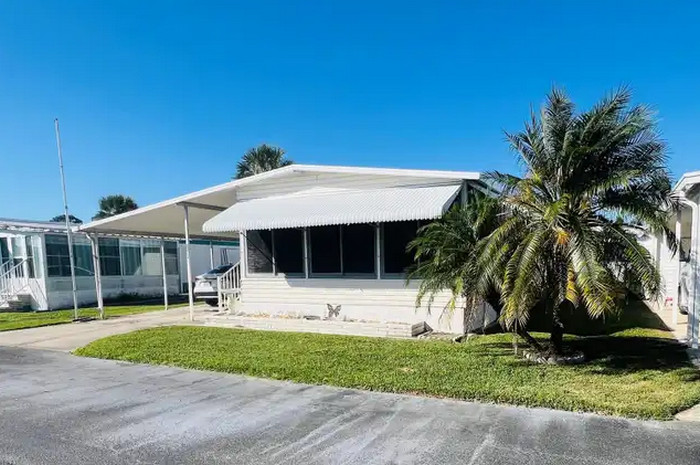
Key Reasons You Need Mobile Home Insurance
Protecting Your Investment
A mobile home is a valuable investment, and insurance safeguards that investment from unexpected events. Storms, fires, or accidents can strike anytime. With coverage in place, you’ll have financial support to repair or replace your home, keeping you from facing major losses.
Additionally, some parks and lenders require insurance before allowing you to lease land or secure financing, making it a necessity rather than an option.
Personal Property Protection
Your belongings inside your mobile home — such as furniture, clothing, electronics, and appliances — are just as important as the structure itself. Mobile home insurance typically covers these items if they are damaged or stolen due to covered events.
For example, if a storm damages your roof and destroys your TV or furniture, your insurance helps cover the replacement costs. This coverage ensures that you won’t have to start from scratch after an unfortunate incident.
Liability Coverage for Accidents
Accidents can happen anywhere, even in your home. If a guest slips on your porch or your dog bites a visitor, you could be held liable for medical expenses or damages. Liability protection in mobile home insurance covers these costs and even provides legal defense if necessary.
This coverage extends beyond your property too. For instance, if you accidentally cause damage to someone else’s property, your policy may help cover those expenses.
Additional Benefits of Mobile Home Insurance
Temporary Living Expenses
If your mobile home becomes uninhabitable due to a covered peril — such as a fire or hurricane — your insurance can cover temporary housing costs. This includes hotel stays, meals, and transportation while your home is being repaired. It’s an invaluable feature that helps maintain stability during difficult times.
Coverage Flexibility
Mobile home insurance policies can be customized to fit your specific needs. You can choose from various levels of protection and add optional coverages such as:
- Flood insurance (often required in high-risk zones)
- Earthquake coverage
- Replacement cost coverage for high-value belongings
- Extended liability protection
By tailoring your policy, you can ensure you’re fully covered without paying for unnecessary extras.
Factors That Influence Mobile Home Insurance Costs
Location and Risk Factors
Where your mobile home is located plays a major role in determining insurance premiums. Homes near coastal regions, flood zones, or tornado-prone areas face higher risks — and therefore higher premiums. It’s essential to understand your region’s weather patterns and natural hazards when selecting coverage.
If you live in states like Florida, Texas, or Alabama, consider adding storm and flood protection to your policy, as these areas are prone to severe weather events.
Age and Condition of the Home
Older mobile homes may have outdated materials or electrical systems, increasing the likelihood of damage. In contrast, newer, well-maintained homes with modern upgrades may qualify for insurance discounts. Keeping your home in good condition can help lower your premiums over time.
Coverage Limits and Deductibles
Your coverage limit determines the maximum amount your insurer will pay for covered losses, while your deductible is what you pay out of pocket before the policy takes effect. Choosing a higher deductible can reduce monthly premiums, but it also means paying more upfront during a claim.
Balancing affordability and protection is key — aim for a policy that won’t leave you financially vulnerable in an emergency.
Extra Coverage Options
Some mobile home owners choose to expand their policies with optional endorsements, such as:
- Protection for detached structures like sheds or decks
- Coverage for home business equipment
- Identity theft protection
Discuss these options with your insurance agent to find the right mix of coverage for your situation.
Frequently Asked Questions
1. Do I need insurance for my mobile home?
Yes, mobile home insurance is essential for protecting your property, belongings, and financial security.
2. Is mobile home insurance required by law?
While not always legally required, many lenders and mobile home parks mandate coverage.
3. What does mobile home insurance cover?
It covers your home’s structure, personal belongings, liability protection, and additional living expenses.
4. How much does mobile home insurance cost?
The average cost ranges from $300 to $1,000 annually, depending on location, home value, and coverage options.
5. Can I get flood insurance for my mobile home?
Yes, but flood coverage is typically a separate policy through the National Flood Insurance Program (NFIP).
6. Does insurance cover natural disasters like hurricanes or tornadoes?
Most policies cover wind and storm damage, but check your policy to ensure it includes all relevant perils.
7. Can I lower my insurance premiums?
Yes, by improving home safety, installing alarms, bundling policies, or increasing your deductible.
8. Are older mobile homes harder to insure?
They can be, but regular maintenance and safety upgrades help make them more insurable.
9. What happens if my mobile home is damaged beyond repair?
Your insurance may pay the replacement cost or actual cash value, depending on your policy type.
10. How do I choose the best insurance company?
Compare quotes, read customer reviews, and look for insurers experienced in mobile home coverage.
Final Thoughts
So, do I need insurance for my mobile home? Absolutely. Insurance isn’t just an optional expense — it’s a necessary safeguard for your investment and your peace of mind. With the right policy, you’re protected against unexpected disasters, costly repairs, and liability claims that could otherwise drain your finances.
When shopping for coverage, consider your home’s location, condition, and personal needs to find a plan that provides comprehensive protection. By being proactive, you can enjoy the freedom and comfort of mobile home living while knowing you’re prepared for anything life throws your way.