
Mobile homes are an affordable and practical housing option for many people. However, one concern that often arises—especially when buying or renovating older units—is asbestos. You may wonder: do mobile homes have asbestos? The short answer depends on the age of the mobile home. While modern units are built with safer materials, older ones may still contain asbestos in various components.
Understanding how asbestos was used in mobile homes, where it might be found, and how to handle it safely is essential before purchasing or remodeling. This guide breaks down everything you need to know to stay safe.
Understanding the Risks of Asbestos in Mobile Homes
Asbestos was once widely used in construction materials for its strength, heat resistance, and insulation properties. It was considered a “miracle material” throughout much of the 20th century. Unfortunately, prolonged exposure to asbestos fibers can lead to severe health issues, including lung cancer, asbestosis, and mesothelioma—a rare but deadly cancer.
In 1978, the United States banned most uses of asbestos after its dangers became clear. However, many mobile homes built before this period may still contain asbestos in certain materials. So, do mobile homes have asbestos? If your home was manufactured before 1979, the answer could be yes.
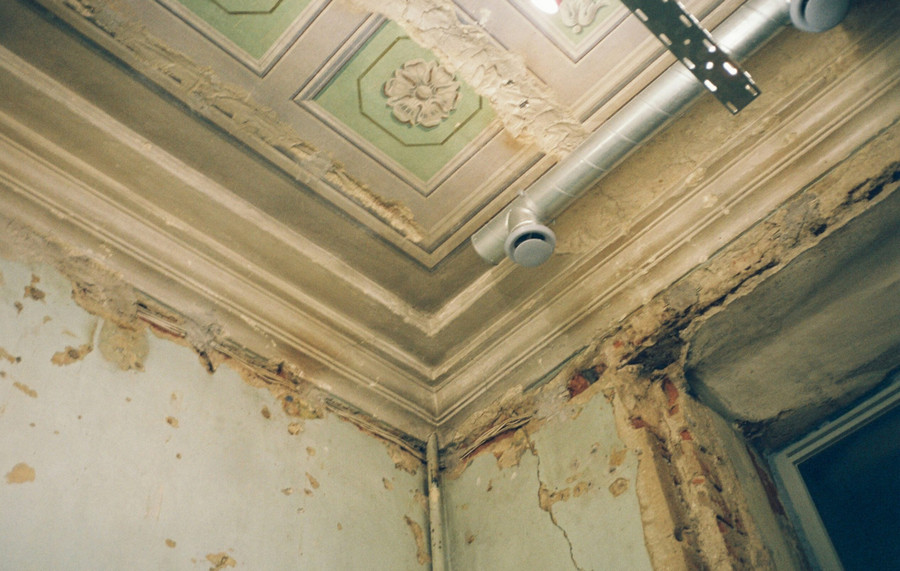
Common Areas Where Asbestos May Be Found
If you own or are considering buying a mobile home built before the 1980s, asbestos may be present in several building components. Here are some common areas to check:
- Ceiling and Wall Panels: Asbestos-cement panels were often used for insulation and fire resistance.
- Flooring Materials: Vinyl floor tiles, linoleum, and even some carpet backing may contain asbestos fibers.
- Pipe and Duct Insulation: Asbestos was used to insulate heating ducts and plumbing pipes to prevent heat loss.
- Textured Paint and Coatings: Decorative wall finishes and popcorn ceilings from older homes might include asbestos.
If your mobile home was built after 1980, the chances of asbestos being used are significantly lower. Still, it’s smart to confirm the materials used, especially if you plan on renovating.
Why Asbestos Exposure Is Dangerous
Asbestos becomes a health hazard when disturbed. When materials containing asbestos are cut, drilled, or damaged, microscopic fibers are released into the air. Once inhaled, these fibers can remain in the lungs for years, causing scarring and inflammation that may lead to serious diseases.
The most common illnesses linked to asbestos exposure include:
- Asbestosis: A lung condition that causes shortness of breath and persistent coughing due to scarred tissue.
- Lung Cancer: Prolonged exposure significantly raises the risk of developing lung cancer, especially for smokers.
- Mesothelioma: A rare but aggressive cancer that affects the lining of the lungs, abdomen, or heart.
These diseases may take decades to develop, which makes early detection and prevention crucial.
Identifying Potential Asbestos in Your Mobile Home
You can’t determine the presence of asbestos by sight alone. Many materials look ordinary even when they contain asbestos. The most reliable way to know is through professional asbestos testing.
If you suspect asbestos, here are some steps to take:
- Check the Age of the Home: If your mobile home was manufactured before 1979, there’s a higher chance it contains asbestos materials.
- Inspect Key Areas: Focus on ceiling tiles, old flooring, insulation, and any textured wall surfaces.
- Look for Deterioration: If you see crumbling, fraying, or damaged material, avoid disturbing it.
Hiring a certified asbestos inspector is the safest and most accurate way to identify risks. They can take samples and have them analyzed in a lab to confirm whether asbestos is present.
What to Do If You Find Asbestos
If testing confirms the presence of asbestos, don’t panic. Asbestos isn’t necessarily dangerous unless it’s disturbed. Here’s how to handle the situation safely:
- Leave It Alone: If the material is intact and undamaged, it’s best not to disturb it. Asbestos only poses a threat when airborne.
- Hire Certified Professionals: Always call a licensed asbestos abatement contractor for removal or encapsulation. Never attempt DIY removal.
- Follow Safety Regulations: Professional contractors follow strict safety standards set by the EPA and OSHA to prevent contamination.
- Dispose Properly: Asbestos waste must be sealed, labeled, and disposed of at approved facilities.
Trying to remove asbestos yourself can expose you and your family to dangerous fibers. The small investment in professional help is well worth the safety it provides.
Preventing Exposure in Everyday Living
Even if your mobile home contains asbestos, you can still live safely by taking precautions. Here are simple steps to minimize risk:
- Improve Ventilation: Regularly open windows to maintain airflow and reduce dust accumulation.
- Avoid DIY Renovations: Don’t drill, sand, or cut into any material that could contain asbestos.
- Inspect Regularly: Have your home checked periodically, especially before major repairs or remodeling.
- Seal and Encapsulate: If full removal isn’t needed, professionals can seal asbestos materials to prevent fibers from escaping.
With awareness and proactive care, you can live comfortably and safely in your mobile home—even if it’s an older model.
Frequently Asked Questions
1. Do mobile homes have asbestos?
Some older mobile homes built before 1979 may contain asbestos in walls, flooring, insulation, or ceilings.
2. When was asbestos banned in the U.S.?
Most asbestos-containing materials were banned in 1978 under EPA regulations.
3. How can I tell if my mobile home has asbestos?
You can’t tell by sight alone. A professional asbestos test is required for accurate identification.
4. Is asbestos still used in modern mobile homes?
No, modern manufactured homes built after 1980 use safer, asbestos-free materials.
5. Is asbestos dangerous if left undisturbed?
No. Asbestos is only dangerous when fibers are released into the air through damage or disturbance.
6. Can I remove asbestos myself?
No. Only licensed asbestos abatement professionals should handle removal or encapsulation.
7. How much does asbestos removal cost?
Costs vary, but professional abatement typically ranges from $1,000 to $3,000 depending on the size of the area.
8. What materials in mobile homes are most likely to contain asbestos?
Older flooring, insulation, ceiling tiles, and wall coatings are common asbestos-containing materials.
9. How can I stay safe if my home contains asbestos?
Avoid disturbing any suspect material and schedule regular inspections with certified professionals.
10. Can asbestos affect indoor air quality?
Yes. Damaged asbestos materials can release airborne fibers, reducing indoor air quality and posing health risks.
Final Thoughts
So, do mobile homes have asbestos? It depends on when they were built. Older mobile homes manufactured before 1979 might contain asbestos in flooring, insulation, or ceilings, while newer ones are generally safe.
If you own or plan to buy an older mobile home, a professional inspection is the best way to ensure safety. Never attempt DIY asbestos removal, as even minimal exposure can cause long-term health problems. With proper care, inspections, and maintenance, you can enjoy the comfort of your mobile home while protecting your health.
Bottom line: Asbestos in mobile homes is a concern—but one that can be managed safely with awareness, professional help, and responsible ownership.
Hi, I’m so scared I just read that the vog walls in old mobile homes contains asbestos in the vog walls, I took down all of the mobile home walls I see a fibrious material behind it , am I doomed?
Hi Meri: Thanks for connecting with The Mobile Home Dealer. We suggest you contact someone who is a specialist in that area near your home to come take look at it. Best of luck to you!
I just read mobile homes built before 1980 its possible? Is that true? Thanks
Hello:
Thank you for connecting with The Mobile Home Dealer! We are unsure of what question you are asking, if you could please clarify we would be happy to help in any way we can. Thanks!
Hi, I’m so scared I just read that the vog walls in old mobile homes contains asbestos in the vog walls, I took down all of the mobile home walls I see a fibrious material behind it , am I doomed?
Hi Meri: Thanks for connecting with The Mobile Home Dealer. We suggest you contact someone who is a specialist in that area near your home to come take look at it. Best of luck to you!
I just read mobile homes built before 1980 its possible? Is that true? Thanks
Hello:
Thank you for connecting with The Mobile Home Dealer! We are unsure of what question you are asking, if you could please clarify we would be happy to help in any way we can. Thanks!
I just read mobile homes built before 1980 its possible? Is that true? Thanks
Hello:
Thank you for connecting with The Mobile Home Dealer! We are unsure of what question you are asking, if you could please clarify we would be happy to help in any way we can. Thanks!
I just read mobile homes built before 1980 its possible? Is that true? Thanks
Hello:
Thank you for connecting with The Mobile Home Dealer! We are unsure of what question you are asking, if you could please clarify we would be happy to help in any way we can. Thanks!
Hello, I’m sorry I was so nervous writing the question I messed it up, Do all mobile homes built before 1980 have asbestus as a lining on the back of vinyl wall paper?
Hi Meri-Thank you for connecting with The Mobile Home Dealer. We are not 100% sure on the answer to your question but suggesting contacting the manufacturer for the home you are interested in purchasing to see how they can help you. Best of luck!
Hello, I’m sorry I was so nervous writing the question I messed it up, Do all mobile homes built before 1980 have asbestus as a lining on the back of vinyl wall paper?
Hi Meri-Thank you for connecting with The Mobile Home Dealer. We are not 100% sure on the answer to your question but suggesting contacting the manufacturer for the home you are interested in purchasing to see how they can help you. Best of luck!
would a mobile home built in 1994 have asbestos in the lighting fixtures? The manufacturer no longer exists, so I cannot ask them.
Thanks for connecting with The Mobile Home Dealer Abby, we are honestly not sure. Best of luck to you in the future!
would a mobile home built in 1994 have asbestos in the lighting fixtures? The manufacturer no longer exists, so I cannot ask them.
Thanks for connecting with The Mobile Home Dealer Abby, we are honestly not sure. Best of luck to you in the future!