Are you exploring your options for mobile home financing in Florida? Whether you plan to buy a new or used home, understanding your choices can help you make smarter financial decisions. Financing a mobile home can seem complex at first, especially when the home is on leased land. However, with the right knowledge and preparation, it becomes a manageable and rewarding process.
What Is a Mobile Home and How Does It Differ from Traditional Homes
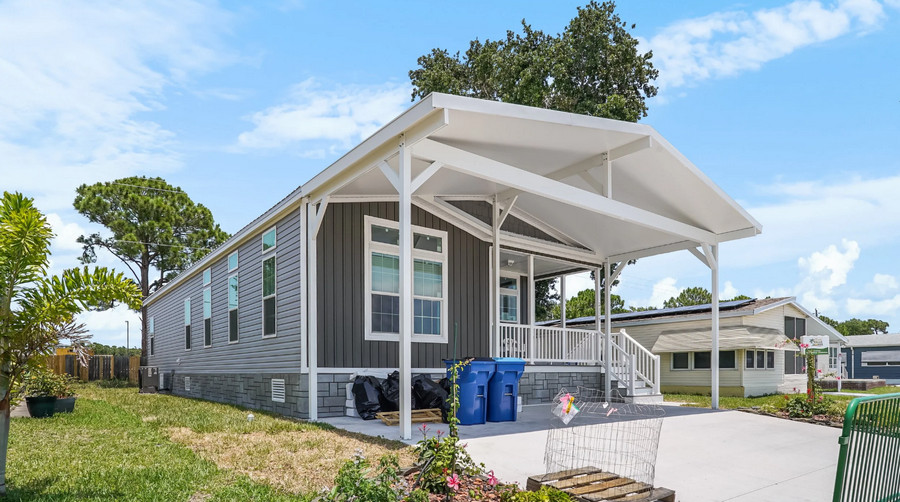
A mobile home is built on a steel chassis, allowing it to be transported easily. Unlike traditional homes, it’s usually placed on leased land inside a mobile home park. Because the structure is movable, it’s often classified as personal property rather than real estate. This classification can make mobile home financing in Florida slightly more challenging, but not impossible.
You can explore several financing methods, including personal loans, dealership financing, seller financing, and specialized lenders. Some banks and credit unions also offer loans for mobile homes, though interest rates may be higher than traditional mortgages. Comparing terms and rates before committing is essential to find a loan that fits your budget and goals.
Financing a Mobile Home on Leased Land
When you buy a mobile home on leased land, you’re essentially paying rent for the lot where your home sits. You own the home but not the ground beneath it. Because of this setup, large banks often view such properties as high-risk. The home can be moved, and since the land isn’t collateral, lenders may hesitate to approve financing.
Still, smaller financial institutions and specialized lenders understand this market better. Many provide customized mobile home financing in Florida to help buyers secure the funds they need. Before applying, review your lease terms carefully—some agreements include restrictions that could affect financing or resale options.
Common Financing Options for Mobile Homes
Here are several ways you can finance a mobile home in Florida:
- Personal Loan – A personal loan can be used to purchase a mobile home, especially if the cost is relatively low. Interest rates vary, but fixed monthly payments make it easier to manage your budget.
- Seller Financing – Some mobile home sellers act as lenders. You pay a down payment and then make monthly payments directly to the seller. This method works well if you have limited credit history or want more flexible terms.
- 21st Mortgage – 21st Mortgage specializes in mobile home loans nationwide. They offer flexible financing options, including purchase, refinance, and improvement loans. Their customer service and range of products make them a trusted choice for mobile home buyers.
- Chattel Mortgage – A chattel mortgage treats your mobile home as personal property. The loan is secured by the home itself, not the land. This option often features quicker approvals and lower upfront costs.
Each financing option has advantages depending on your credit, income, and ownership goals. Some buyers also choose to pay in cash to avoid interest rates altogether, gaining full ownership immediately.
Why Banks Hesitate to Finance Mobile Homes
Major banks like Wells Fargo and Chase often avoid financing mobile homes on leased land. The main reason is risk. Because the home can be relocated, repossession becomes difficult if the borrower defaults. Additionally, mobile homes depreciate faster than site-built houses, meaning there’s less equity for lenders to recover losses.
However, Florida’s mobile home market continues to grow, and specialized lenders now fill the gap left by big banks. Many of these lenders focus specifically on manufactured and mobile homes, offering tailored programs to help residents purchase their dream homes with ease.
Benefits of Paying in Cash
Paying in cash for your mobile home can be a smart move if you have the means. Cash purchases eliminate interest costs and loan paperwork, saving money in the long run. You’ll also gain full ownership right away and won’t have to meet lender requirements or wait for approval.
While not everyone can pay upfront, this method offers unmatched flexibility. You can modify, resell, or relocate the home without worrying about a lien or outstanding balance.
Tips for Finding a Reliable Lender
Finding a good lender can make or break your mobile home financing experience. Keep these tips in mind:
- Check your credit score before applying to know what loan terms you qualify for.
- Compare offers from different lenders, including banks, credit unions, and specialized mobile home financiers.
- Read all loan terms carefully to understand fees, insurance requirements, and payment schedules.
- Ask about prepayment penalties or extra charges that could affect your total cost.
It’s also wise to work with professionals familiar with Florida’s mobile home market, such as The Mobile Home Dealer, who can help you understand current lending trends and connect you with trusted lenders.
Frequently Asked Questions
1. Can I get a mortgage for a mobile home in Florida?
Yes. Specialized lenders like 21st Mortgage offer financing designed specifically for mobile homes.
2. Is it hard to qualify for mobile home financing in Florida?
It depends on your credit score, debt-to-income ratio, and whether the home is on leased or owned land.
3. Do banks finance mobile homes on leased land?
Most large banks do not, but smaller lenders and credit unions often provide options.
4. What’s the minimum credit score for approval?
Many lenders prefer a score of 620 or higher, but some accept lower scores with larger down payments.
5. Can I refinance my mobile home loan?
Yes, refinancing is possible through lenders that specialize in mobile home loans.
6. How much is a typical down payment?
Expect to pay between 5% and 20%, depending on the lender and loan type.
7. Are there government programs for mobile home loans?
Yes, programs like FHA Title I loans may help eligible buyers finance manufactured homes.
8. Can I use seller financing for a used mobile home?
Absolutely. Many sellers offer flexible payment terms for used mobile homes.
9. Do I need insurance for a mobile home loan?
Yes, most lenders require property insurance to protect your investment.
10. How long does mobile home financing take?
Approval times vary, but most loans close within 2–4 weeks once documentation is complete.
Final Thoughts
Securing mobile home financing in Florida doesn’t have to be stressful. By understanding your options and working with experienced lenders, you can find an affordable path to homeownership. From personal loans to chattel mortgages, there are choices to fit nearly every financial situation.
Always compare rates, read your lease carefully, and ask questions before signing any contract. With proper planning, you’ll soon be relaxing in your own Florida mobile home—financed on terms that work best for you.
For expert guidance and listings, visit The Mobile Home Dealer to explore available homes and get advice tailored to your financing needs.