
is an RV considered a mobile home? It’s a question many people ask when exploring affordable and flexible living options. While both RVs and mobile homes provide a sense of freedom and mobility, they differ in design, purpose, and legal classification. Understanding these differences is essential for anyone deciding between a life on the road or a stationary home.
Defining Mobile Homes and RVs
Mobile homes and RVs share some similarities, but their functions and uses are quite distinct. A mobile home, also known as a manufactured home, is built on a permanent chassis and designed for long-term residential use. Most are installed in mobile home parks or on private lots and connected to utilities like water, power, and sewage.
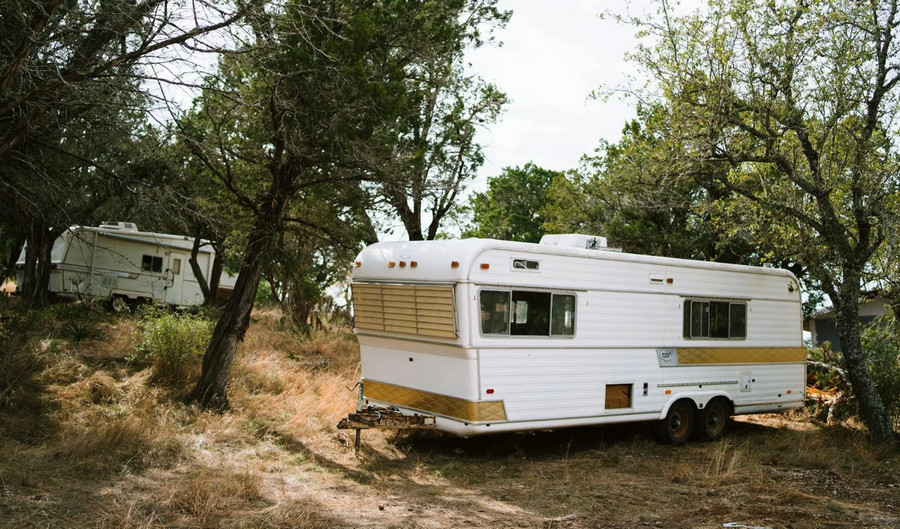
In contrast, an RV (recreational vehicle) is a movable dwelling that’s primarily used for travel or short-term living. RVs include motorhomes, travel trailers, and camper vans. They are built for mobility and often come equipped with essential living facilities such as a bed, kitchenette, and bathroom.
Key Features of Mobile Homes
Mobile homes offer the stability and comfort of a traditional residence. Their main characteristics include:
- Permanent Foundation: Unlike RVs, mobile homes rest on concrete blocks or piers, giving them a semi-permanent foundation. Once installed, they are not intended to be moved frequently.
- Connected Utilities: They are hooked up to standard water, electricity, and sewage systems, ensuring continuous access to essential services.
- Spacious Living Areas: Mobile homes often feature multiple bedrooms, bathrooms, and open living spaces, making them ideal for families seeking affordable yet comfortable housing.
These homes are built to last for decades, providing a stable lifestyle while still being more affordable than traditional houses.
Key Features of RVs
RVs are designed for movement and adventure. They’re ideal for travelers who prefer flexibility and minimalism. Here’s what makes them unique:
- Mobility: The biggest advantage of an RV is its ability to move. Owners can drive or tow their RVs anywhere, exploring new destinations without needing to relocate permanently.
- Self-Contained Systems: Many RVs come with water tanks, generators, and waste storage systems, allowing users to live off-grid for days or even weeks.
- Versatility in Design: From small camper vans to luxury Class A motorhomes, RVs come in various styles and price ranges, appealing to different lifestyles and budgets.
However, RVs require regular maintenance and are not typically built for permanent living, though some people choose to make them their full-time home.
Legal Classifications and Zoning
When asking, “is an RV considered a mobile home,” legal definitions matter. Mobile homes fall under housing regulations and must comply with HUD (Housing and Urban Development) codes. They are usually taxed as real property when permanently placed on land.
RVs, on the other hand, are registered as vehicles rather than houses. This means they follow motor vehicle laws, not building codes. In many areas, zoning laws restrict how long an RV can stay parked on residential property. Long-term residency may require living in designated RV parks or campgrounds.
The Role of Intended Use
The main difference between an RV and a mobile home lies in how they’re used. Mobile homes are meant for stationary, long-term living. RVs, however, are built for mobility and temporary stays.
Still, as more people adopt minimalist and nomadic lifestyles, many choose to live in RVs full-time. This shift has blurred the traditional lines between temporary and permanent housing. As a result, some cities have started updating zoning regulations to accommodate full-time RV dwellers.
Evolving Trends: Full-Time RV Living
The trend of full-time RV living continues to grow across the United States. Many see it as a way to escape high housing costs, travel freely, and live simply. For retirees and remote workers, this lifestyle offers both adventure and affordability.
Advantages of RV Living
- Freedom and Flexibility: RV living allows you to travel anywhere, anytime. You can enjoy different landscapes and communities without being tied to one location.
- Lower Living Costs: Compared to traditional housing, RV ownership can be less expensive, with fewer property taxes and reduced utility bills.
- Minimalist Lifestyle: With limited space, RV living encourages you to declutter and focus on experiences rather than possessions.
Challenges of RV Living
While the lifestyle is appealing, it comes with challenges:
- Zoning Restrictions: Many cities and counties limit how long RVs can stay in one place, making long-term living difficult in certain areas.
- Access to Utilities: RVs depend on external hookups or generators, which can be inconvenient if you’re parked off-grid for extended periods.
- Maintenance and Wear: Frequent travel causes wear and tear on the vehicle and systems, requiring regular upkeep.
- Limited Space: Space constraints may be challenging for families or those used to larger homes.
Still, many RV owners find these trade-offs worthwhile for the independence and travel opportunities the lifestyle offers.
Frequently Asked Questions
1. Is an RV considered a mobile home legally?
No, an RV is classified as a vehicle, while a mobile home is a permanent housing structure.
2. Can you live in an RV full-time?
Yes, many people live full-time in RVs, but zoning and local laws determine where this is allowed.
3. What’s the main difference between an RV and a mobile home?
RVs are designed for travel and temporary stays, while mobile homes are meant for permanent residency.
4. Are RVs cheaper than mobile homes?
Generally, yes. RVs usually cost less upfront but may have higher maintenance and travel costs.
5. Can I park an RV on my property permanently?
This depends on local zoning laws. Some areas allow it, while others prohibit long-term RV parking.
6. Do mobile homes appreciate in value?
Mobile homes typically depreciate like vehicles, but well-maintained ones in good locations may retain value better.
7. Can an RV be converted into a mobile home?
Not officially. RVs can be modified for comfort, but they remain classified as vehicles legally.
8. Do RVs require property taxes?
No, RVs are subject to vehicle registration fees, not property taxes.
9. Are there communities for RV and mobile home living?
Yes, there are both RV parks for travelers and mobile home parks for permanent residents.
10. Where can I buy or sell a mobile home?
You can visit The Mobile Home Dealer to find listings and services for buying or selling mobile homes.
Final Thoughts
So, is an RV considered a mobile home? Not quite. While they share similarities in providing affordable housing options, their purposes, construction, and legal classifications set them apart. Mobile homes offer stability and long-term residency, while RVs emphasize mobility and flexibility.
As housing trends evolve, both options continue to provide valuable alternatives to traditional homes. Whether you’re seeking a permanent residence or an adventurous lifestyle on the road, understanding these differences will help you make an informed decision that fits your needs and goals.