
The pros and cons of mobile home skirting are important to understand before deciding which type suits your property best. Mobile home skirting not only adds beauty but also serves practical purposes like protection, insulation, and compliance with building standards. However, despite its many benefits, it also comes with a few drawbacks that homeowners should consider carefully. Knowing both sides can help you make an informed decision that fits your home’s needs and budget.
What Is Mobile Home Skirting and Why Does It Matter?
Mobile home skirting is the material that covers the open space beneath a mobile home, creating a seamless and finished look. It protects the underside of the home while enhancing its curb appeal. Depending on the material, skirting can be vinyl, metal, brick, concrete, or insulated foam. Many homeowners install skirting not just for aesthetics but also to improve energy efficiency and keep pests out.
Because mobile homes sit above the ground, the space underneath is vulnerable to weather, animals, and moisture. Skirting provides an essential layer of protection against these elements. It also helps regulate temperature and maintain the home’s structure over time. However, before installing, it’s essential to weigh the advantages and disadvantages carefully.
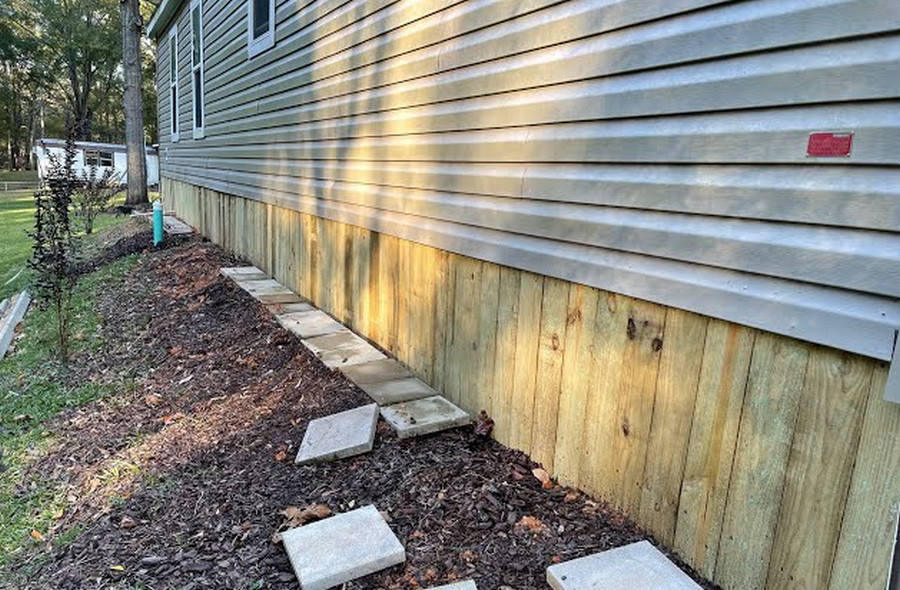
Pros of Mobile Home Skirting
Mobile home skirting offers several benefits that make it a valuable addition to any home. Here are some of the top advantages:
- Enhanced Aesthetics: One of the most noticeable pros of mobile home skirting is its ability to improve the home’s appearance. It hides the open space underneath, giving the home a complete and polished look. With many design and color options available, homeowners can choose skirting that complements their home’s exterior style.
- Better Insulation and Energy Efficiency: Quality skirting can help insulate the underside of a mobile home, preventing heat loss in winter and keeping interiors cooler during summer. This added insulation can lead to lower energy bills and a more comfortable living environment year-round.
- Protection from Pests and Rodents: Without skirting, the space beneath a mobile home can easily attract insects, rodents, and other pests seeking shelter. Skirting acts as a barrier that prevents them from getting inside, protecting the structure from potential damage.
- Shield from Harsh Weather: Mobile home skirting guards against wind, rain, and snow, which can damage the home’s underside and utility lines. It also prevents debris buildup, helping maintain a cleaner and safer foundation area.
- Compliance with Local Codes: In many areas, mobile home skirting is required by law. Installing it ensures that your property meets local building codes and avoids potential fines or violations.
Additional Functional Advantages
Beyond aesthetics and protection, skirting can increase the longevity of your mobile home. It helps reduce corrosion on metal components and shields plumbing systems from freezing temperatures. Moreover, a well-ventilated skirting setup prevents humidity buildup, which is vital for maintaining structural integrity.
Cons of Mobile Home Skirting
While skirting offers many advantages, there are also a few drawbacks to keep in mind before installation.
- Installation Costs: One of the biggest cons of mobile home skirting is the cost. Depending on the material, size of your home, and whether you hire professionals, installation expenses can add up quickly. However, the long-term benefits often outweigh the initial investment.
- Maintenance Requirements: Like any exterior material, skirting can wear out over time. Harsh weather, UV rays, or debris can cause cracks and discoloration. Regular inspection and occasional repairs are necessary to maintain its effectiveness and appearance.
- Limited Access to the Underbelly: While skirting keeps the space secure, it can make maintenance beneath the home more challenging. When plumbing or electrical repairs are needed, you may have to remove sections of the skirting temporarily.
- Potential Moisture Issues: Improperly installed skirting can trap moisture under the home, leading to mold, mildew, or rot. To avoid this, ensure that the skirting has proper ventilation and drainage openings.
- Low-Quality Aesthetic Choices: Not all skirting materials offer long-lasting visual appeal. Cheaper vinyl options may warp, fade, or crack over time, reducing the overall look of your home. Choosing durable and high-quality materials helps avoid this issue.
Choosing the Right Mobile Home Skirting
When weighing the pros and cons of mobile home skirting, consider factors such as your climate, budget, and aesthetic preferences. Homeowners in colder climates may prefer insulated skirting for energy efficiency, while those in milder regions might prioritize affordable vinyl options. No matter what you choose, proper installation is crucial for durability and ventilation.
Working with trusted professionals like The Mobile Home Dealer can help you select the best skirting materials and ensure quality installation that lasts.
Frequently Asked Questions
1. What is the main purpose of mobile home skirting?
The primary purpose is to protect the underside of the home from weather, pests, and debris while improving its appearance.
2. What materials are best for mobile home skirting?
Vinyl, metal, brick, and insulated foam are popular options depending on your budget and design preferences.
3. Does mobile home skirting improve energy efficiency?
Yes, properly installed skirting helps insulate the home, reducing heating and cooling costs.
4. How much does mobile home skirting cost?
Costs vary based on material and labor but typically range from a few hundred to several thousand dollars.
5. Is mobile home skirting required by law?
In many areas, local codes require skirting to ensure safety and aesthetic standards are met.
6. How do I maintain mobile home skirting?
Regularly check for cracks, damage, or moisture buildup and clean the panels to prevent deterioration.
7. Can I install mobile home skirting myself?
Yes, some homeowners install it themselves, but professional installation ensures proper ventilation and longer durability.
8. What causes moisture problems under skirting?
Lack of ventilation or improper sealing can trap moisture, leading to mold or rot issues.
9. How long does skirting typically last?
High-quality materials can last 10 to 20 years or more with proper maintenance.
10. Where can I buy quality skirting for my mobile home?
You can find durable and attractive skirting options from trusted dealers like The Mobile Home Dealer.
Final Thoughts
Understanding the pros and cons of mobile home skirting helps homeowners make smart, cost-effective decisions. Skirting enhances curb appeal, provides insulation, and protects against pests and weather—but it also requires maintenance and an upfront investment. The key is choosing quality materials and ensuring proper installation for long-term benefits. Whether you’re upgrading your home for better efficiency or improving its appearance, mobile home skirting remains a worthwhile investment that adds value, comfort, and protection to your property. For expert advice or quality materials, consider reaching out to The Mobile Home Dealer.