
Purchasing a mobile home is an exciting opportunity to own affordable housing in one of the most desirable states in the U.S. However, before signing any paperwork, you must go through a detailed mobile home buying checklist to ensure you’re making an informed and confident decision. Whether you’re buying in Sarasota, Tampa, or anywhere in Florida, understanding what to inspect—both in the home and the community—is key to avoiding costly surprises later on.
This guide covers everything you need to review before buying a mobile home, including structural components, park requirements, and essential tips for first-time buyers.
Inspecting the Home: Structural Components You Must Check
1. Roof Condition
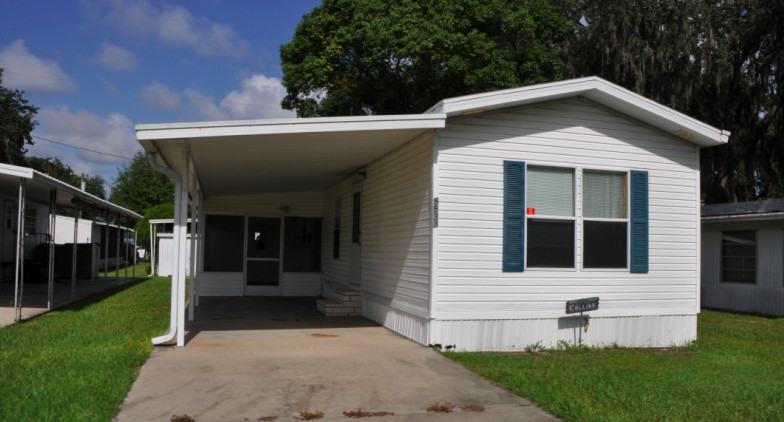
The roof is one of the most critical and expensive parts of a mobile home. Before purchasing, find out the age of the roof, when it was last sealed, and whether any patchwork or repairs have been done. If possible, hire a licensed roof inspector to evaluate its condition. A well-maintained roof protects the home from water damage and can significantly extend its lifespan.
If the roof is older than 15 years or shows signs of leaks, plan for replacement or negotiation with the seller. Remember, a sturdy roof is essential for safety and long-term value.
2. Air Conditioning System
Air conditioning is a necessity in Florida’s hot, humid climate. Check whether the home has central air or window units, and confirm that they are functioning properly. For central systems, ensure the thermostat responds correctly and the ducts are free from blockages or debris.
If you discover any issues, be cautious—replacing a central AC unit can cost more than $5,000. Window units are cheaper but may affect the overall cooling efficiency. Always ask for maintenance records before making an offer.
3. Plumbing System
Inspect the plumbing thoroughly. Older mobile homes may still have gray polybutylene pipes, which are prone to leaks and cracking. Ideally, the home should have modern PVC pipes, which are far more durable and long-lasting. Look under sinks and behind toilets for any discoloration, water stains, or soft flooring—signs of potential leaks.
Replacing old plumbing can be expensive, so identifying the type of piping early on is a key part of your mobile home buying checklist.
4. Electrical System
Electrical safety should never be overlooked. Check the fuse box or breaker panel for signs of wear, corrosion, or outdated wiring. Test all outlets and light fixtures to ensure they work properly. Consider hiring an electrician to verify that the home’s electrical system meets modern safety codes.
5. Flooring and Foundation
Soft spots or uneven floors often indicate water damage or subfloor deterioration. Walk through each room to check for any sagging areas. Inspect underneath the home if possible to confirm the foundation is level and structurally sound. Addressing floor issues early can prevent more serious repairs in the future.
Understanding the Park and Land Lease Terms
If you’re buying a mobile home in a park or community, you’re not just buying the structure—you’re also committing to the park’s rules and fees. Here’s what you need to ask before committing to a purchase:
- What is the monthly lot rent or HOA fee?
- Are there common amenities like pools, clubhouses, or parks included?
- Does the community have gated security or 24-hour access?
- Are there age restrictions, such as 55+ communities?
- How long is the lease term, and can it be renewed?
- Are pets allowed in the park?
- Does the park require approval before purchasing or moving in?
Understanding these terms helps you budget accurately and avoid conflicts later. If possible, visit the park personally to observe cleanliness, amenities, and overall community atmosphere.
6. Ownership and Title Verification
Always verify that the mobile home has a clean title. Make sure there are no unpaid taxes, liens, or ownership disputes. If the home is located on leased land, confirm whether the land lease transfers with the home or needs park approval. This step protects you from legal or financial issues after the purchase.
7. Location and Resale Potential
While affordability is a major advantage of mobile homes, resale value is often determined by location and maintenance. Choose parks or areas with desirable amenities and strong demand. Well-maintained homes in attractive communities tend to hold value better over time.
If you’re buying in Florida, proximity to beaches, hospitals, and shopping areas can also impact long-term property value.
8. Insurance and Financing
Before finalizing the deal, research insurance coverage options specific to mobile homes. Many standard homeowners’ policies don’t apply to manufactured homes. Likewise, financing for mobile homes can vary based on whether the home is on leased land or private property. Compare lenders and loan programs to find the best rates and terms.
9. Environmental and Safety Concerns
Check for issues like mold, pest infestations, or moisture buildup. Florida’s climate can cause humidity-related problems, so make sure the home is properly insulated and ventilated. Testing for radon or asbestos is also recommended, especially in older models.
10. Review the Seller’s Disclosure
Ask the seller to provide documentation of maintenance and repairs. This should include information about roof replacements, plumbing updates, or electrical upgrades. Review all warranties on appliances and systems still under coverage.
Frequently Asked Questions
1. What should be my first step in a mobile home purchase?
Start with a detailed inspection using a **mobile home buying checklist** to assess the home’s structure and systems.
2. How do I verify the age of the mobile home?
Look for the HUD tag or data plate, usually found near the electrical panel or inside a kitchen cabinet.
3. Can I buy a mobile home without land?
Yes, many people buy homes in parks with leased land, which is often more affordable.
4. Are older mobile homes worth buying?
Yes, if they’ve been well-maintained and upgraded with modern systems such as PVC plumbing and a newer roof.
5. How much should I budget for repairs?
Set aside 5–10% of the purchase price for potential repairs and upgrades.
6. Do I need an inspection for a mobile home?
Absolutely. Hiring a professional inspector helps identify hidden problems before you commit.
7. What are typical HOA or lot rental fees in Florida?
They vary by community but typically range from $500 to $1,200 per month, depending on amenities and location.
8. Can I get financing for a mobile home on leased land?
Yes, but options may be limited to chattel loans or personal loans. Traditional mortgages apply only to homes on owned land.
9. How do I know if a park is right for me?
Visit the park, talk to residents, and review park rules before buying.
10. Should I buy new or used?
New homes offer warranties and energy efficiency, while used homes are more affordable upfront. Choose based on your budget and preferences.
Final Thoughts
Following a detailed mobile home buying checklist is the best way to ensure a smooth and secure purchase. From roof condition to park regulations, every detail matters when investing in your next home. Take the time to inspect thoroughly, ask questions, and verify ownership records before signing any agreement.
Bottom line: Buying a mobile home in Florida can be an excellent decision when you do your research and prepare properly. With the right checklist, you can confidently find a safe, comfortable, and affordable home that fits your lifestyle and long-term goals.