
How are mobile homes built? This question comes up often for buyers and sellers alike. Mobile homes follow a structured building process, which ensures durability, safety, and functionality. Each stage is planned to meet strict housing standards while keeping costs practical.
This article explains the step-by-step process of building mobile homes, from design to final inspection. We will look at the materials, construction stages, and features that make these homes a popular choice across the country.
Understanding How Are Mobile Homes Built
How are mobile homes built from start to finish? The construction starts inside specialized factories. Building mobile homes in a controlled environment allows manufacturers to maintain consistent quality and efficiency.
Manufacturers follow housing codes and safety guidelines. Every home must meet the Department of Housing and Urban Development (HUD) standards before leaving the factory. These requirements ensure the finished homes are safe, reliable, and ready for transport.
Design and Planning Stage
Before any construction begins, manufacturers create a detailed plan. Every mobile home starts with a blueprint. The plan defines:
- ✔ Home size and layout
- ✔ Number of rooms and bathrooms
- ✔ Electrical and plumbing systems
- ✔ Roof and flooring structure
Once approved, the factory schedules the build and prepares materials for assembly.
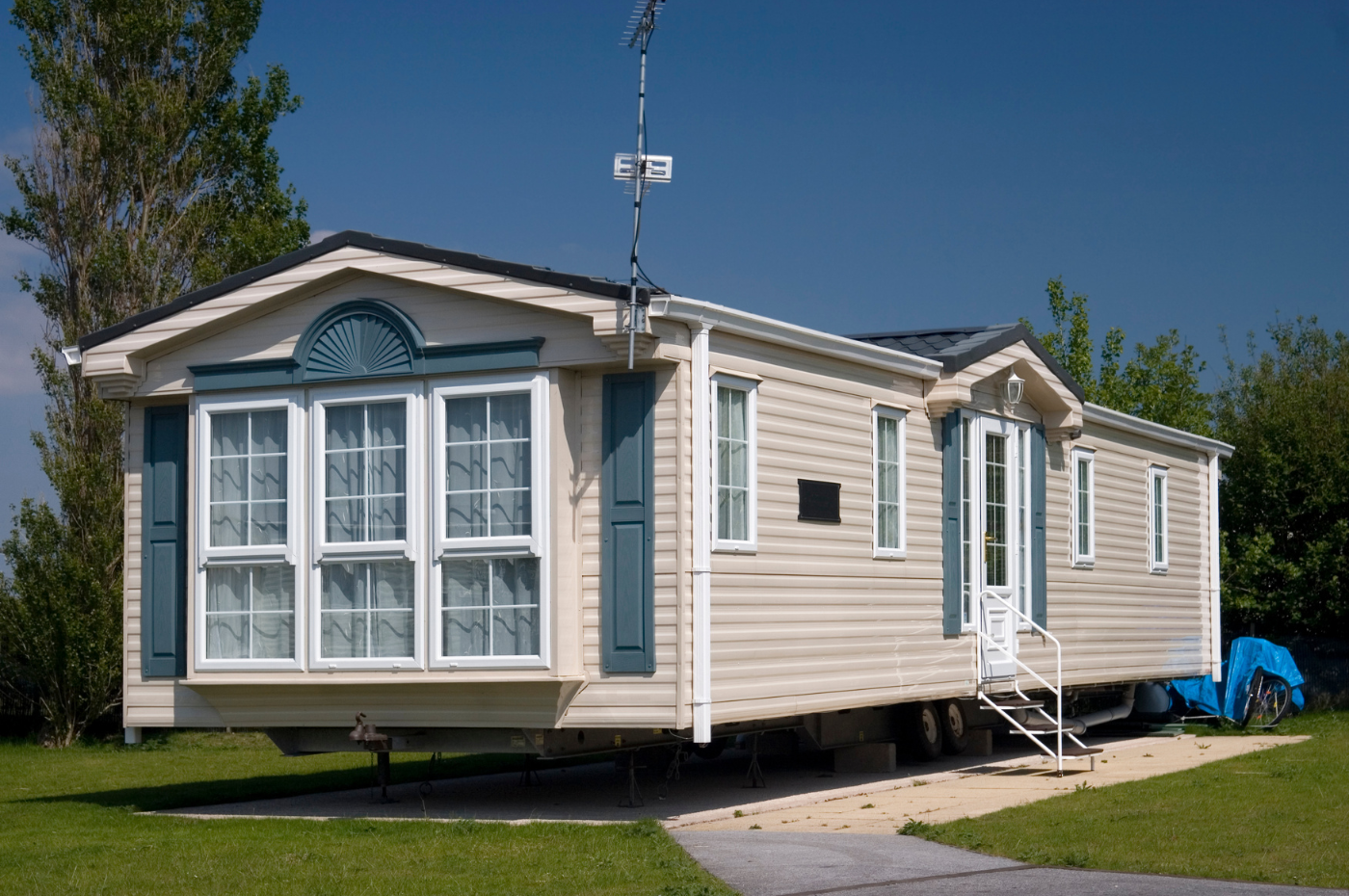
Frame Construction
The process begins with the frame, which forms the foundation of the mobile home. Steel beams are used for strength and stability. These beams support the entire structure and allow the home to be moved when needed.
After the frame is built, wheels and axles are attached for transportation purposes. The flooring system is added next, forming the base for the rest of the structure.
Building the Walls and Roof
Walls are constructed using wood or metal studs. Manufacturers add insulation between studs to maintain proper temperature control. Drywall or wall panels are then installed, followed by exterior siding.
The roof structure is designed to withstand wind and rain. Shingles or metal sheets are placed on top for added protection. Proper ventilation systems are included to manage airflow.
Installing Electrical, Plumbing, and HVAC Systems
Once the walls are in place, crews install the essential systems that make the home functional:
- ✔ Electrical wiring for outlets, lighting, and appliances
- ✔ Plumbing lines for sinks, showers, and toilets
- ✔ Heating and cooling systems for year-round comfort
All systems are tested to confirm proper operation and safety compliance.
Interior Finishing
The interior of the mobile home receives careful attention. Teams install flooring, cabinets, countertops, and fixtures. Kitchens and bathrooms are fitted with sinks, faucets, and appliances.
The final touches include painting, trim work, and detailed inspections of every feature. At this stage, the mobile home looks complete and ready for delivery.
Final Inspection and Quality Control
Before leaving the factory, each mobile home undergoes a full inspection. Inspectors check structural strength, safety systems, and energy efficiency.
This process ensures every home meets HUD regulations and the manufacturer’s quality standards. Once approved, the home is wrapped, secured, and prepared for transport to its destination.
Why Mobile Homes Are Popular
Mobile homes remain a popular choice because they are affordable, efficient, and customizable. Buyers gain more control over layout and design while saving money compared to traditional housing.
Some reasons people choose mobile homes:
- ✔ Lower cost per square foot
- ✔ Faster construction timeline
- ✔ Energy-efficient materials
- ✔ Flexible floor plan options
FAQs About How Mobile Homes Are Built
1. How long does it take to build a mobile home?
It usually takes four to six weeks, depending on size and features.
2. What materials are used in mobile home construction?
Steel, wood, drywall, insulation, and siding are commonly used materials.
3. Are mobile homes built to meet safety codes?
Yes. All homes must follow strict HUD safety and construction codes.
4. Can mobile homes withstand strong storms?
Modern mobile homes are designed to handle strong winds and heavy rain.
5. Do mobile homes come with insulation?
Yes. Manufacturers install insulation in walls, ceilings, and floors.
6. How are mobile homes transported after construction?
Homes are built on steel frames with wheels, allowing easy delivery to the site.
7. Can I customize the floor plan of a mobile home?
Yes. Many manufacturers allow customization of layouts, materials, and finishes.
8. Are mobile homes energy efficient?
Yes. Most modern homes include insulated walls, energy-saving windows, and efficient HVAC systems.
9. Do mobile homes require regular maintenance?
Yes. Regular inspections of roofing, siding, and systems keep the home in good shape.
10. Are mobile homes permanent structures?
Mobile homes can be placed on permanent foundations or remain movable if preferred.
Conclusion
Understanding how are mobile homes built helps buyers and sellers make informed decisions. From the frame to final inspection, each step ensures quality, safety, and comfort. Mobile homes remain a reliable and cost-effective housing option for many families.