
Replacing a mobile home’ chassis is a major project because the chassis serves as the base structure that supports the entire home. It keeps the home level, stable, and safe. Over time, this metal frame may weaken due to age, weather exposure, or improper maintenance. When the frame becomes damaged, replacement may be the only solution to ensure the home remains safe to live in.
Because many mobile homes in Florida sit in humid or coastal regions, rust and corrosion are common. This means the cost to replace a chassis can vary widely depending on the age of the home, the type of metal frame it uses, and how much damage has occurred. Understanding what affects the overall price can help homeowners plan ahead, budget accordingly, and avoid unexpected expenses.
What the Mobile Home Chassis Does and Why It Matters
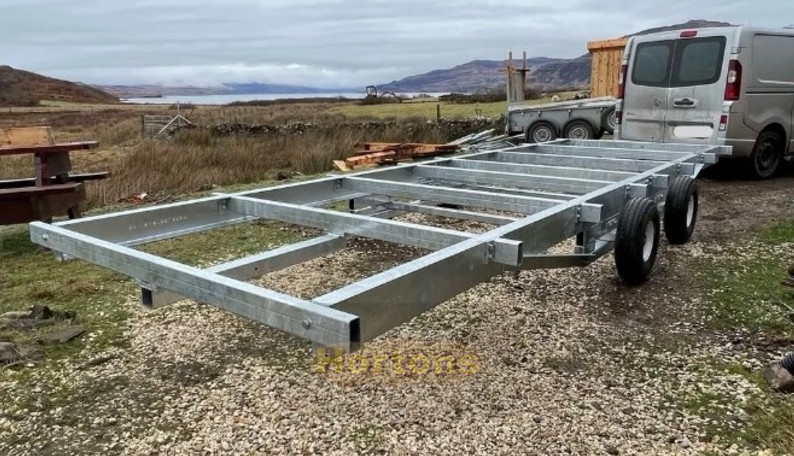
The chassis is the steel frame under the mobile home. It supports the floor, walls, and roof. Even though mobile homes are no longer moved often after installation, the chassis still plays a critical role in maintaining the structure. If the frame bends, warps, or rusts, the flooring can sag, the home can become unlevel, doors may not close correctly, and in severe cases, safety could be compromised.
A weakened chassis must be addressed quickly, since structural problems tend to get worse over time. Homeowners in coastal and high-moisture areas should pay extra attention to this part of the home.
Main Factors That Affect Replacement Cost
Several key factors influence how much it will cost to replace a mobile home chassis:
- **Size of the Home** – Larger homes require more labor and material. Single-wide homes are cheaper to repair than double-wide or triple-wide models.
- **Type of Chassis Used** – Standard steel frames are less expensive. Reinforced or custom chassis designs increase cost.
- **Local Labor Rates** – Skilled labor is essential, and labor costs differ by region. Areas with higher living costs typically charge more.
- **Permits and Inspection Fees** – Florida requires inspections to ensure work meets building codes. Permit costs vary by county.
- **Condition of the Home** – If the home has other issues, such as damage to flooring or support beams, the total cost will rise.
- **Location in Florida** – Coastal areas may cost more due to higher contractor demand and material shipping considerations.
These factors combined determine whether a replacement sits closer to the lower or upper end of the price range.
Typical Cost Breakdown
Here is a general estimate of what homeowners can expect when replacing a chassis:
- Materials: $2,000 to $5,000
- Labor: $3,000 to $10,000
- Permits and inspections: $500 to $2,000
- Extra repairs (if needed): $1,000 to $5,000 or more
The total cost can range from approximately $6,500 to over $22,000, depending on the home and scope of work.
Examples:
- Single-wide with basic chassis replacement: around $5,500 to $8,000
- Double-wide with standard steel frame replacement: around $10,000 to $15,000
- Triple-wide or reinforced frame replacement: $15,000 to $22,000+
Step-by-Step Process of Replacing a Chassis
Replacing a chassis involves several coordinated steps:
- Assessment of the frame and structure
- Planning permits and scheduling work
- Preparing the home by removing skirting and disconnecting utilities
- Lifting the mobile home using specialized hydraulic equipment
- Removing the old frame and installing the new chassis
- Lowering the home back into position
- Conducting final inspections and safety checks
Because the mobile home must be lifted, only experienced licensed contractors should handle this job.
Additional Tips for Florida Homeowners
- Get at least three written quotes from licensed contractors
- Check contractor licensing, insurance, and experience with chassis replacement
- Ask for a detailed estimate that lists materials, labor, and fees separately
- Plan financially for unexpected issues discovered during work
- Perform regular maintenance to extend your new chassis lifespan
Preventing long-term damage is easier and cheaper than major structural repairs.
FAQ
How do I know if my chassis needs to be replaced?
Look for sagging floors, rusted beams, cracks in walls, or difficulty leveling the home.
Can I repair the chassis instead of replacing it?
Small damage can sometimes be repaired, but severe rust or warping usually requires replacement.
How long does a mobile home chassis replacement take?
Most projects take one to two weeks, depending on complexity.
Do I need to move out during the work?
Yes, because utilities are disconnected and the home must be lifted.
Does insurance cover chassis replacement?
Most policies do not, unless damage was caused by a covered event, such as a storm.
Can any contractor do this work?
No, it requires contractors experienced with manufactured housing structural systems.
Does the age of the home matter?
Yes, older homes often require more structural reinforcement before installing a new chassis.
Can a mobile home be moved after the chassis is replaced?
It is possible, but additional transport preparation and permitting would be required.
Will I need new tie-downs or foundation supports?
In most cases, yes. Modern Florida codes require updated anchoring systems.
How can I prevent chassis rust in the future?
Maintain proper drainage, inspect regularly, and seal exposed metal when needed.
Final Thoughts
Replacing a mobile home’ chassis in Florida is a major investment, but it is often necessary to maintain safety, structural stability, and long-term usability. Understanding what affects the cost and how the replacement process works ensures better planning and smarter budgeting. Whether your home is a single-wide or a larger model, taking proactive steps to evaluate damage early and hiring experienced professionals can help protect your home’s value and keep it safe for years to come.