
How much wind can a mobile home withstand matters to every Florida homeowner. Wind ratings affect safety, installation choices, maintenance plans, and insurance. Florida sees seasonal storms, so homebuyers often ask how mobile homes respond. Wind ratings follow national standards, and those standards allow safer living across most regions.
Florida mobile homes follow HUD wind zone ratings. Newer homes include reinforced frames and upgraded tie-down systems. Many communities add safety guidelines, inspections, and property support. The question remains common, so clear explanations help buyers make plans.
How Much Wind Can a Mobile Home Withstand Based on HUD Ratings
Wind resistance levels follow three HUD zones. Each zone connects to weather risk. Florida includes Zone II and Zone III areas. These zones aim to resist strong wind levels.
Wind Zones Used in Florida
- Zone II covers most inland areas
- Zone III covers coastal regions
Zone III homes withstand stronger wind than Zone II. That difference matters during storm alerts. Buyers ask community managers which zone a home carries. The label sits inside cabinet areas or in sales records.
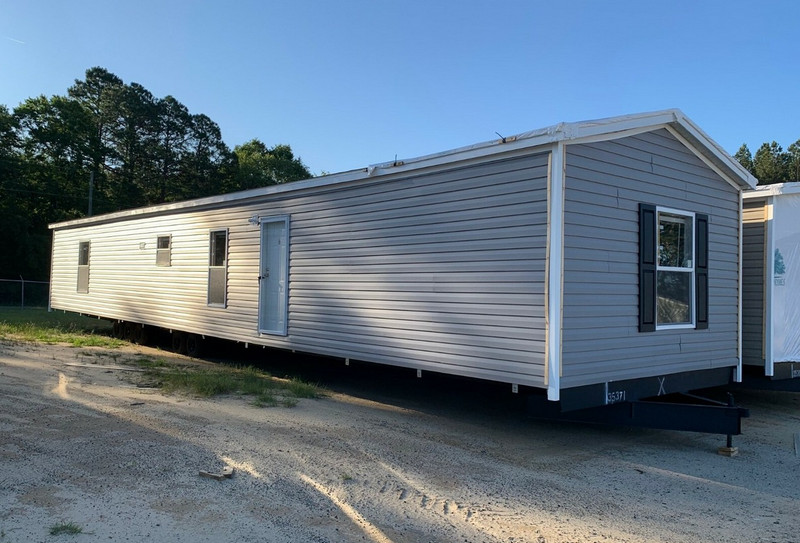
Installation Plays a Part in Wind Strength
Wind rating labels matter, yet installation plays a major role. A mobile home withstands more wind when anchored properly. Many owners use concrete pads, strap systems, and driven anchors.
Communities often recommend licensed installers. Anchoring angles, depth, strap spacing, and tension levels influence performance. Many newer homes arrive pre-ready for anchor kits.
How Much Wind Can a Mobile Home Withstand With Reinforcement Tools
Several reinforcement items improve strength. Owners often add parts during upgrades.
Common reinforcement items include:
- Braced tie-down straps
- Steel anchors
- Roof seal coatings
- Skirting vents
- Vapor guards
These items reduce swaying, slow moisture intrusion, and support frame balance.
Exterior Conditions Affect Wind Resistance
Wind travels differently across open spaces, shaded land, and fenced lots. Many community managers trim older trees before storm season. Falling branches cause impact, so yard planning helps.
Some areas use barriers, fencing, hedge lines, or brick edging. These items manage flying debris. Many residents keep outdoor objects stored. Grill covers, chairs, planters, and patio sets must not move during storms.
How Much Wind Can a Mobile Home Withstand When Bought New
New models often surpass older ones in stability. After 1994, HUD updated structural guidelines. Homes built under those rules include stronger roof lines and better fastening points.
New units include heavier trusses, improved perimeter frames, and longer flooring joints. That pushes performance higher.
Why Buyers Ask the Question
Florida buyers track storm paths each year. Insurance agents ask for wind-zone information. Sellers list wind zones during resales. Buyers also check serial labels.
Questions often include:
- Is the home Zone II or Zone III?
- Were anchors installed professionally?
- Does the home include recent strap upgrades?
Each answer influences insurance quotes and structure longevity.
How Much Wind Can a Mobile Home Withstand After Maintenance Steps
Maintenance affects wind resistance. A well-kept mobile home withstands more strain. Roof repairs matter. Skirting secures airflow pathways. Then ground leveling reduces shifting.
Owners often follow routine inspection steps:
- Seal roof seams
- Tighten exterior panels
- Clear drainage paths
- Rake soft ground areas
These steps improve how a home anchors into land.
Wind Damage Risks Come From Objects, Not Just Gusts
Wind causes force, but damage often comes from impact. Loose shingles, metal parts, signs, and broken branches become hazards. So during alerts, residents store outdoor pieces.
Park notices remind residents to protect loose items. Most parks offer team assistance with storing objects.
How Much Wind Can a Mobile Home Withstand When Placed in Correct Zone Regions
Zone placement matters. Zone III homes belong in coastal regions. Zone II suits areas further inland. Buyers confirm placement through the park office.
If a Zone II home sits inside a coastal strip, insurance rates rise. So placement accuracy matters.
Wind Ratings Influence Insurance Planning
Insurance providers look at:
- Home age
- Installation records
- Strap counts
- Wind zone
Owners maintain paperwork from installers. Many carriers request photos of anchor points.
Proper records support fair coverage.
Owners Gain Confidence From Correct Setup
Buyers feel safer after learning anchor systems. How much wind can a mobile home withstand means more than a single number. It means combining zone levels with site conditions and maintenance actions.
Simple upgrades change outcomes. Extra roof seals block leaks. Better skirting reduces air drift. Captured footings block shifting.
Storm Preparation Steps Improve Wind Resistance
Mobile home residents use seasonal checklists. Parks often hand them out.
Common seasonal steps:
- Clean gutters
- Remove clutter
- Inspect straps
- Confirm tie-down placement
Some residents add storm shutters. Others add porch screens or reinforced railing posts.
Frequently Asked Questions
How many wind zones exist?
Three HUD zones exist across states.
What zone covers most inland Florida?
Zone II covers the largest inland portion.
How much wind can a mobile home withstand with proper anchors?
It meets assigned zone rating levels.
Do newer homes offer stronger framing?
Newer units follow updated standards.
Does skirting affect wind rating?
Skirting supports airflow control.
Can owners upgrade wind structure?
Yes, through anchors and straps.
Do inspectors verify strap tension?
Licensed installers verify placement.
Do homes need maintenance yearly?
Maintenance improves strength.
Can damage come from loose objects?
Wind often moves unsecured items.
Does wind rating influence premiums?
Insurers often ask for zone proof.
Proper Placement Improves Home Results
Homes placed on leveled pads gain stability. Even spacing keeps surface stress even. Many installers place vapor systems under flooring. That stops moisture from softening soil areas.
Water runoff systems benefit stability. Downspouts, slope shaping, and gravel beds prevent erosion under support layers.
Community Rules Help Owners Improve Wind Safety
Parks guide owners through scheduled inspections. Those checks often follow seasonal cycles. Owners learn strap spacing schedules, skirting upgrades, and surface repair steps.
Updates take place without major expense. Small changes influence structural reaction.
How Much Wind Can a Mobile Home Withstand and Realistic Planning
Even with ratings, homeowners take common-sense precautions. Weather alerts give time for preparation. Cities offer storm notice systems. Many counties broadcast guidance.
When installed right, reinforced correctly, and maintained routinely, a mobile home withstands strong conditions in Florida regions that match its rating zone. Matching zone levels, proper anchors, and ongoing inspections allow safe living. Mobile home strength connects to planning, upkeep, and accurate installation. With those parts in place, wind concerns become manageable throughout the year.