
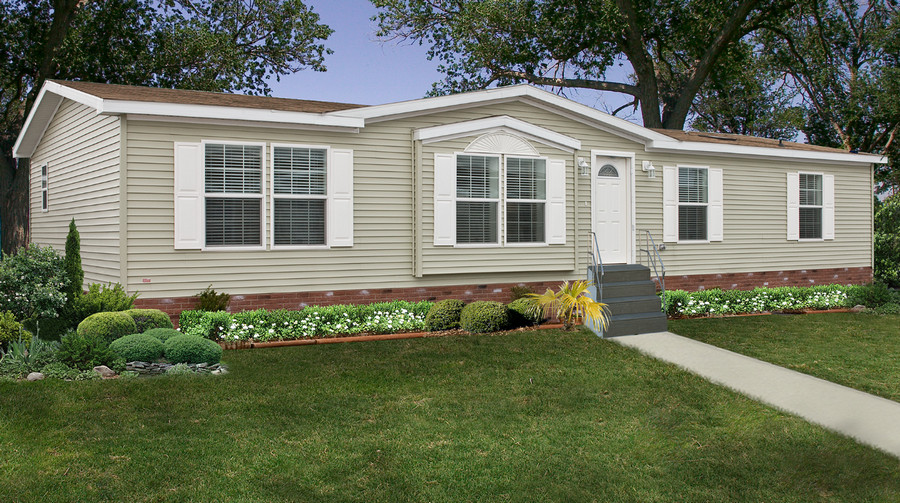
Repossessed manufactured homes offer an affordable way to own a home without paying full price. These homes often come from banks, lenders, or government agencies after the previous owners stopped making payments. As a result, they are usually sold for less than market value, making them attractive for buyers with limited budgets.
But not all deals are good deals. Buyers should understand how to assess, find, and purchase repossessed manufactured homes without rushing. That way, they avoid unexpected costs or legal trouble.
What Are Repossessed Manufactured Homes?
When a homeowner fails to make payments, lenders can reclaim the property. This includes manufactured homes bought with loans. The bank or lender then lists the home for sale to recover the money it lost.
These properties might be in decent condition—or they might need repairs. In some cases, homes have been vacant for months. Before buying, always check the condition of the structure, interior, and title documents.
Benefits of Buying Repossessed Manufactured Homes
Repossessed manufactured homes often cost less than similar homes in the same area. This attracts buyers who want quick possession or an investment opportunity. Other reasons buyers look at repossessed homes include:
- Lower prices compared to new or dealer-sold homes
- Faster closing times due to fewer owner-related delays
- Greater inventory in areas where foreclosures are common
- Flexible financing through credit unions or banks
While the benefits are clear, always do your homework before making an offer.
Where to Find Repossessed Manufactured Homes
Knowing where to look is half the battle. Fortunately, many websites and services list repossessed homes across the U.S.
Here are some reliable options:
- Lender websites – Banks often list foreclosed properties directly.
- Government auctions – Agencies like HUD or VA may offer homes to the public.
- Realtors – Some real estate agents specialize in manufactured home repossessions.
- Local auctions – These events are held in counties with high foreclosure rates.
- Mobile home dealers – Some buy repossessed units and resell them.
Always check if the listing includes lot rent, utilities, or back taxes. These extra costs add up quickly.
What to Check Before Buying
Repossessed manufactured homes come with fewer guarantees than new ones. So take the time to inspect each part of the property before committing.
Watch for the following issues:
- Water damage or mold
- Missing appliances
- Faulty electrical systems
- Roof or siding problems
- Unpaid lot rent or taxes
You should also verify ownership status. Make sure there are no liens or title disputes. Work with a local title company to confirm clean ownership.
How to Finance a Repossessed Manufactured Home
Not all banks provide loans for manufactured homes—especially older units. But you still have options.
Check out these financing choices:
- Credit unions – These institutions often offer better rates for used homes.
- Personal loans – For homes under $50,000, personal loans might cover the cost.
- Chattel loans – These apply to homes not attached to land.
- FHA or VA loans – These work for qualifying buyers and homes.
You can also pay cash. This simplifies the sale, reduces paperwork, and may help you close faster.
Watch Out for Common Mistakes
Many buyers overlook hidden costs when buying repossessed manufactured homes. Avoid these frequent errors:
- Skipping the inspection
- Not budgeting for repairs
- Ignoring zoning or park rules
- Failing to check the VIN and title
- Paying more than market value
Act carefully. Compare similar homes in the area before making a final offer.
Subheading Without the Keyword: Park Rules Matter
Mobile home parks often have strict rules about who can live there and what type of homes they allow. Some parks reject repossessed homes due to age or appearance. Before you buy, contact the park manager. Ask if they allow outside buyers and what renovations they require. This helps you avoid delays or denial of occupancy.
What Makes a Good Repossessed Home Worth Buying?
Not all repossessed manufactured homes are equal. Some are good investments, while others are money pits. To pick the right one, focus on these:
- Solid structure – No signs of warping, sagging, or termite damage
- Modern plumbing and wiring – Replacing old systems is costly
- Updated interiors – Fewer renovations mean faster move-in
- Location – Safe neighborhoods hold value longer
- Low carrying costs – Watch for taxes, insurance, and park fees
A little research now prevents major problems later.
Subheading With the Keyword: How to Inspect Repossessed Manufactured Homes
Before buying, walk through the home in person or hire a certified home inspector. Look under the structure for signs of foundation damage. Check plumbing under sinks, behind toilets, and near the water heater. Turn on all lights and appliances, and bring a checklist. Inspect roofs for soft spots and check the siding for cracks or missing panels.
If anything seems suspicious, ask the seller for more details or walk away. There will always be other options.
Subheading With the Keyword: Are Repossessed Manufactured Homes Right for You?
These homes suit buyers who want savings and are willing to do some repairs. They’re also great for investors looking to rent or resell. But if you prefer a move-in ready home with warranty coverage, a new model might be better.
Decide based on your budget, needs, and timeline. Don’t let a low price blind you to the real cost of repairs and upgrades.
FAQ About Repossessed Manufactured Homes
What is a repossessed manufactured home?
It’s a mobile or manufactured home taken back by a lender after missed loan payments.
Are repossessed homes cheaper?
Yes, they’re often priced below market value to encourage quick sales.
Can I inspect the home before buying?
Yes. Most sellers allow inspections before finalizing the purchase.
Do I need a real estate agent?
No, but an experienced agent can help avoid costly mistakes.
Are there risks in buying a repossessed manufactured home?
Yes. Issues may include hidden damage, unpaid taxes, or unclear titles.
Can I get a mortgage for a repossessed manufactured home?
Sometimes. Options include chattel loans, FHA loans, or personal financing.
How can I find these homes near me?
Try lender websites, government listings, or local mobile home dealers.
Do I need land to buy one?
Not always. Some homes stay in parks with monthly lot rent.
Can I move a repossessed manufactured home?
Yes, but moving costs can be high. Check with transport companies first.
Is it worth buying a fixer-upper?
Only if the repairs cost less than the total value you gain.
Final Thoughts
Repossessed manufactured homes give buyers a chance to save money and still own property. But each sale requires careful planning, inspection, and budgeting. When done right, buying one of these homes can work out well—whether you plan to live in it or rent it out.
Avoid shortcuts. Compare homes, check conditions, and ask the right questions. Smart buyers make better choices.