
If you’re looking for a profitable venture in real estate, flipping mobile homes can be a great opportunity. While unconventional, mobile home flipping can generate significant returns when done correctly. But how exactly do you flip a mobile home for profit? This guide covers everything you need to know about flipping mobile homes and provides practical tips to get started.
What is Mobile Home Flipping?
Mobile home flipping is a real estate strategy that involves buying an affordable mobile home (fixer-upper), renovating it, and selling it for a profit. The main goal is to increase its value through upgrades or repairs, making it attractive to potential buyers.
Mobile homes are generally priced lower than traditional houses, providing an ideal opportunity for investors seeking affordable properties with profit potential.
Flipping a mobile home requires careful planning. You must identify the right property, analyze it thoroughly, and ensure sufficient finances for repairs and renovations. While handyman skills help, they are not mandatory as contractors can handle major projects.
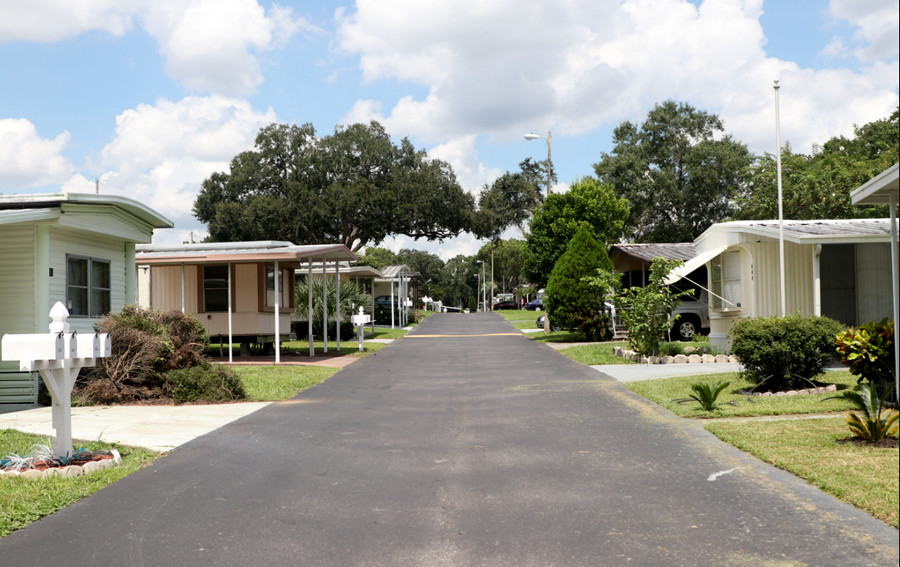
Tips on How to Flip a Mobile Home for Profit
Flipping mobile homes can be lucrative when approached strategically. Follow these steps to increase your chances of success.
- Location is Key
Location strongly influences profitability. A prime location attracts more offers and higher resale value, while a poor location limits demand and reduces profit.
Research areas where people want to live, considering proximity to cities, schools, hospitals, shopping centers, and other amenities. Analyze the market to identify high-demand, low-supply areas, which are ideal for flipping.
Also, check local zoning laws, as they may affect renting opportunities if you choose to hold the property temporarily. Consulting with mobile home brokers like The Mobile Home Dealer can provide valuable insights on what sells in specific locations.
- Do Proper Mobile Home Analysis
Avoid buying properties that could become money pits. Thoroughly inspect both the interior and exterior for damages such as cracks, leaks, or structural issues.
Check plumbing, electrical systems, and major appliances like refrigerators and stoves. Assess the neighborhood’s safety and potential for property value growth.
A detailed analysis helps determine the scope of repairs and whether the investment is worthwhile.
- Identify Needed Materials for Repairs
To maximize profits, controlling costs is essential. Start by listing all necessary repairs, such as fixing leaks, replacing flooring, or updating walls.
Research costs for each material online or at local stores, balancing quality and affordability. Buying items in bulk can save money, and every dollar saved increases your potential profit.
Ensure You Have Adequate Finances
Having sufficient financing is critical. Consider the purchase price of the mobile home, which varies by location, age, and condition. Negotiate for the best deal without compromising quality.
Next, budget for renovations, allowing extra funds for unexpected expenses. Don’t overlook marketing and sales costs, including online ads or local listings.
Additionally, account for ongoing expenses like utilities and insurance while holding the property. Proper financial planning ensures smoother execution and higher returns.
Handyman Skills are Helpful but Not Necessary
Handyman skills can reduce costs, but many flippers hire contractors for major repairs. DIY resources like tutorials and guides can help you tackle simple repairs safely.
Know your limitations and prioritize safety when attempting repairs. Even without extensive skills, proper planning and outsourcing enable successful mobile home flipping.
How to Find Mobile Homes to Flip
Several strategies help locate profitable properties. Storm-damaged homes from hurricanes or tornadoes can be purchased at lower prices and renovated for resale.
Older mobile home parks often have homeowners unable or unwilling to renovate, providing potential sellers.
Retirement communities offer opportunities as retirees downsize into smaller homes.
Online marketplaces like Craigslist and Facebook Marketplace list pre-owned mobile homes at discounted rates. Always research thoroughly before buying online.
FAQ
1. How do I start flipping mobile homes?
Research, find a property, analyze it, plan renovations, and secure financing.
2. Do I need handyman skills?
Not necessarily. Contractors can handle major repairs, though DIY skills help save costs.
3. How much profit can I make?
Profits vary based on location, purchase price, and renovation costs.
4. Where should I buy mobile homes to flip?
Target high-demand areas, older parks, retirement communities, or storm-damaged properties.
5. Is location really important?
Yes, location greatly affects resale value and buyer interest.
6. How do I finance a flip?
Use personal savings, loans, or investor partnerships to cover purchase and renovation costs.
7. Are online listings reliable?
Yes, but verify property condition and ownership before purchase.
8. What repairs increase resale value most?
Kitchens, bathrooms, flooring, roofing, and energy-efficient upgrades typically add value.
9. How long does a mobile home flip take?
It varies, but most projects take 1–3 months depending on repairs and market conditions.
10. Can I rent instead of selling?
Yes, but check zoning laws and consider long-term expenses versus immediate resale profit.
Bottom Line
Flipping mobile homes for profit is achievable with planning, research, and execution. Choosing the right location, conducting thorough analysis, budgeting carefully, and sourcing affordable materials are key steps. Handyman skills help but are not required, and knowing where to find properties saves time and money. With diligence, anyone can successfully flip mobile homes and achieve significant returns.