
Buying a used mobile home can be a smart and cost-effective decision, but it requires careful evaluation. Understanding how to inspect a used mobile home gives you the confidence to spot potential issues and negotiate fairly. Although used mobile homes offer great value, they also come with risks if you overlook certain areas. Because of this, taking a detailed, step-by-step approach is essential. This guide explains how to inspect a used mobile home, what to look for, and how to make an informed purchase.
Initial Research Before the Inspection
Begin by researching the seller and gathering background information. This simple step helps you understand the home’s past and prepares you for what to expect during the inspection. Many used mobile homes have undergone repairs or modifications over the years, so learning that history helps you avoid surprises later. Ask the seller about ownership records, maintenance documents, and any past issues. This information builds a clear picture of the home’s overall condition.
Inspect the Exterior
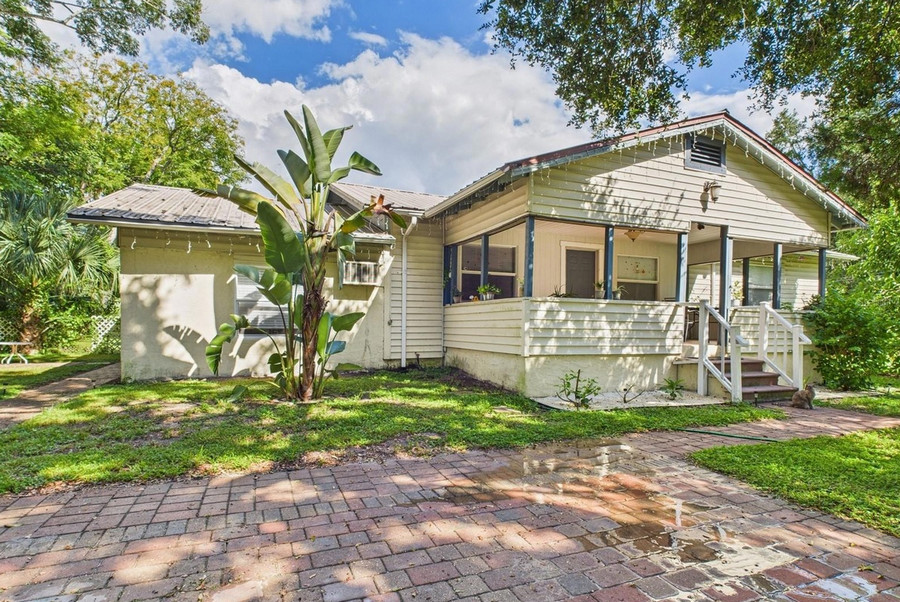
A proper inspection always starts outside. The exterior often reveals early signs of structural damage or neglect, which is why it should be examined closely. Look for damage and wear on the siding, roof, windows, doors, and skirting. These features protect the home from weather and moisture, so issues here can lead to expensive long-term repairs.
- Siding: Check for cracks, holes, rot, and warping. Damaged siding can allow water intrusion.
- Roof: Look for missing shingles, sagging areas, or stains that indicate leaks.
- Windows: Test for smooth operation and inspect for broken seals or condensation.
- Doors: Make sure doors open and close properly and check for gaps or frame damage.
- Skirting: Ensure panels are secure and free from gaps that allow pests inside.
Evaluate the Foundation
Once the exterior is checked, move on to the foundation. A solid foundation is crucial for safety and long-term stability. Used mobile homes sometimes settle unevenly, so checking leveling and structural support is important. Look underneath the home for visible issues.
- Leveling: Use a handheld level or observe door alignment to spot uneven settling.
- Cracks: Inspect concrete slabs or piers for cracks or shifting feet.
- Piers and Blocks: Confirm that supports are straight, secure, and properly placed.
Inspect the Plumbing System
Plumbing repairs can become costly, so take your time evaluating all visible pipes and fixtures. Walk through bathrooms, the kitchen, and utility areas to check for concerns.
- Pipes: Look for leaks, rust, corrosion, or outdated materials like polybutylene.
- Water Heater: Check for rust, water puddles, or unusual noises.
- Faucets: Test water flow and look under sinks for moisture or mold.
- Toilets: Flush all toilets and check for leaks around the base.
Check the Electrical System
Safety depends heavily on a functioning electrical system. Because older mobile homes sometimes include outdated wiring, pay attention to signs of malfunction.
- Outlets: Test each outlet and ensure they are grounded.
- Wiring: Look for exposed or damaged wires.
- Breaker Panel: Open the panel to check for rust, scorching, or mislabeled circuits.
- Lighting Fixtures: Turn on every light and check for flickering or buzzing.
Examine the HVAC System
Heating and cooling systems impact comfort and future expenses. Inspect all components, and note any unusual noises or weak airflow.
- Air Conditioning Unit: Check for debris, corrosion, or weak cooling.
- Furnace: Look for rust, leaks, and proper ignition.
- Ductwork: Inspect visible ductwork for gaps, tears, or dirt buildup.
- Filters: Dirty filters may indicate poor maintenance.
Assess the Interior of the Home
Move through every room carefully to evaluate the condition of floors, walls, ceilings, windows, appliances, and overall cleanliness. Interior issues often reveal underlying structural or moisture problems.
- Walls and Ceilings: Look for stains, discoloration, peeling materials, mold, or cracks.
- Floors: Step across each room to feel for soft spots or uneven surfaces.
- Windows and Doors: Ensure everything opens smoothly and seals properly.
- Appliances: Test stoves, refrigerators, and built-in appliances.
Review the Insulation
Good insulation reduces energy costs and improves indoor comfort. Older mobile homes may have degraded insulation that needs replacement.
- Attic: Check insulation depth and look for signs of pests or moisture.
- Walls: If accessible, inspect wall insulation for mold or settling.
- Underbelly: Look underneath the home for damaged or missing insulation.
Consider the Age of the Mobile Home
The age of a used mobile home greatly affects condition, safety standards, and maintenance requirements. Research the manufacturing date and determine whether updates have been made.
- Manufacturing Date: Homes built before 1976 may not meet HUD safety standards.
- Repairs: Ask about recent repairs or upgrades such as roofing, plumbing, or electrical work.
- Maintenance Needs: Prepare for future upkeep based on age and condition.
Hire a Professional Inspector
Although a personal inspection is valuable, hiring a licensed professional ensures you do not miss critical issues. Professionals use specialized tools and produce detailed reports that help negotiations. A clean inspection report also offers peace of mind if you proceed with the purchase.
Negotiate Based on Your Findings
Once your inspection is complete, evaluate everything you’ve discovered. If repairs are needed, use those findings to negotiate a lower price or request repairs before closing. Many sellers are willing to negotiate when presented with clear inspection details. Taking your time during this stage helps you avoid overpaying for a home that needs unexpected work.
FAQ
How long does a mobile home inspection take?
Most inspections take one to two hours, depending on size and condition.
Should I always hire a professional inspector?
Yes, because professionals detect issues that are easy to miss.
What is the most important part of the inspection?
Structural condition, electrical systems, and moisture problems are top priorities.
Are older mobile homes harder to inspect?
Often yes, because older homes may have hidden issues and outdated systems.
Can water damage be repaired?
Yes, but repairs can be costly if structural components are affected.
How can I tell if the home was well maintained?
Look for clean systems, updated components, and consistent repairs documented by the seller.
Should I be concerned about uneven floors?
Yes, because uneven floors may indicate foundation or moisture issues.
What signs show electrical problems?
Flickering lights, warm outlets, or outdated wiring are common indicators.
Does the roof affect the inspection outcome?
Absolutely — roof issues often lead to leaks and major repairs.
When should I walk away from a used mobile home?
Walk away if structural damage, severe mold, or unsafe wiring is present.
Final Thoughts
Inspecting a used mobile home thoroughly ensures you make a safe and worthwhile investment. By checking each major system, reviewing the home’s history, and understanding the condition of structural components, you reduce the risk of unexpected repairs. Take your time, trust your instincts, and rely on professional help when needed. With careful planning, you can confidently choose a used mobile home that fits your needs, budget, and long-term goals.
See Also:
- Top Mobile Home Parks in Florida with Great Amenities for Active Adults
- 5 Key Upgrades to Add Value to Your Used Mobile Home
- When is the Best Time to Buy a Mobile Home in Florida?
- How to Spot a Great Fixer-Upper Mobile Home in Florida
- How to Find the Best Deals on Mobile Homes for Snowbirds in Florida