
Florida’s tropical climate offers sunshine, beaches, and outdoor living almost year-round. However, the same weather patterns that make the state appealing also bring seasonal hurricanes and tropical storms. For mobile homeowners, preparing for hurricane season is not only recommended—it is essential. While no home can be made completely storm-proof, there are practical steps you can take to make your Florida mobile home hurricane-proof as much as possible. With strategic upgrades, routine inspections, and proper planning, you can significantly reduce damage risk and increase peace of mind.
Why Hurricane Preparation Matters for Mobile Homes
Mobile homes are built to strict federal and state construction standards, yet they are still more vulnerable to high winds and flying debris than site-built homes. Their lighter structure and elevated foundation can allow strong winds to shift or lift the home if it is not properly anchored. Additionally, windows, doors, roofing, and exterior materials can be more susceptible to impact damage during storms.
To make your Florida mobile home hurricane-proof in the most effective way, preparation should begin well before hurricane season starts. Addressing vulnerabilities early helps reduce cost, stress, and safety risks. Taking a proactive approach ensures that when a storm is approaching, you are ready to secure your property quickly rather than scrambling at the last minute.
Some key strategies include choosing a safer location, reinforcing structural components, securing surrounding outdoor areas, and having an emergency plan in place. These measures work together to provide stronger protection and stability during severe weather conditions.
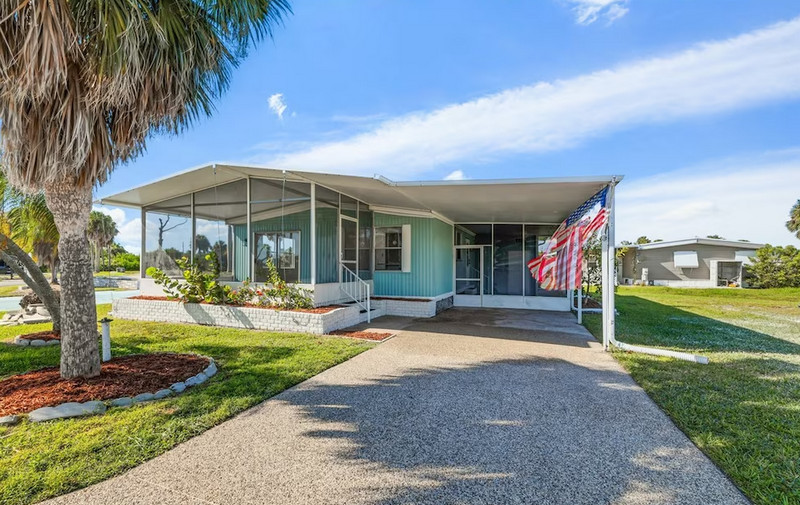
Structural Reinforcements That Improve Storm Resilience
Strengthening your mobile home’s structural foundation is one of the most important steps in disaster preparation. To make your Florida mobile home hurricane-proof, consider the following improvements:
- Install hurricane straps and anchors to secure your home to the ground and minimize shifting.
- Reinforce the roof with tie-downs or upgrade to a metal roofing system designed for high-wind areas.
- Replace older or weakened skirting with reinforced materials that block wind from flowing underneath.
Hurricane straps help prevent uplift caused by strong winds, while anchoring systems stabilize the frame to resist lateral movement. Regular inspections of anchor tension, corrosion, and soil stability also help ensure long-term durability.
Upgrading to a wind-rated roofing system is another strong safeguard. Metal roofing is preferred in many Florida hurricane zones because of its ability to resist wind damage and prevent leaks. Maintaining roof seals and caulking also helps prevent water infiltration during strong rain bands.
Insulated and reinforced skirting traps airflow, preventing winds from lifting the home from beneath. When skirting is installed, ensure proper ventilation is maintained to avoid moisture accumulation.
These structural improvements give your home a stronger defensive foundation when facing hurricane conditions.
Protecting Windows, Doors, and Exterior Openings
Windows and doors are among the most vulnerable elements during high winds. Broken windows allow pressure to rapidly build inside the home, which can cause structural failure. Reinforcing these weak points is necessary to make your Florida mobile home hurricane-proof to the highest level possible.
- Install hurricane shutters or storm panels that can be deployed before a storm.
- Consider upgrading to impact-resistant glass designed to withstand flying debris.
- Strengthen exterior doors with heavy-duty frames, metal cores, or reinforced locking systems.
Hurricane shutters offer reliable protection and come in accordion, roll-down, or removable panel designs. While impact windows are more expensive upfront, they offer year-round protection without the need for installation during storm warnings. Additionally, strengthening door frames with longer screws and reinforced hinge systems helps prevent blowouts.
If your mobile home includes screen rooms or attached structures such as carports, those should also be secured, as weak attachments can tear away and cause damage to the main structure.
Outdoor Safety and Emergency Preparedness Measures
Another major part of storm preparation involves managing the outdoor environment. Before a storm, unsecured objects can become projectiles capable of causing serious damage. To make your Florida mobile home hurricane-proof, your outdoor space should be regularly maintained and secured during storm alerts.
- Store or anchor outdoor furniture, potted plants, and grills.
- Trim trees and remove weak branches that could snap in strong wind.
- Secure structures like sheds or carports with tie-downs built for wind protection.
Finally, create an emergency preparedness plan. This should include evacuation routes, a stocked hurricane safety kit, medication supplies, important documents, and communication contacts. Residents in mobile homes are often the first advised to evacuate during stronger storms, so knowing your plan ahead of time ensures quick and safe action.
Frequently Asked Questions
Are mobile homes safe in hurricanes?
They can be made safer with reinforcements, but evacuation is often still recommended during severe storms.
Do hurricane straps really help?
Yes, they significantly reduce the risk of wind lifting or shifting the home.
Should I install impact windows?
Impact windows offer strong year-round protection and reduce preparation time before storms.
How often should I inspect my roof?
Inspect at least twice per year and before hurricane season.
Can skirting help prevent storm damage?
Yes, reinforced skirting prevents wind from entering beneath the home and reduces uplift risk.
Is metal roofing better for hurricane areas?
Yes, metal roofing is more wind-resistant and durable than many shingles.
Do I need professional installation for anchors?
Professional installation is recommended to meet state wind-load requirements.
Should I trim trees near my home?
Regular trimming reduces the chance of branches causing damage during storms.
Will insurance cover hurricane damage?
Coverage varies. Review your policy to confirm windstorm and flood protection.
Should I evacuate during a major hurricane?
Yes, mobile homeowners are usually advised to evacuate for Category 3 storms and above.
Final Thoughts
Taking steps to make your Florida mobile home hurricane-proof involves improving structural stability, protecting openings, securing the surrounding environment, and preparing for emergencies. While no home is completely resistant to extreme weather, proactive measures greatly increase safety and reduce the likelihood of costly damage. With the right preparation, you can protect your property and feel confident entering hurricane season each year.