
Living in a mobile home offers affordability, flexibility, and a strong sense of community. However, when severe weather strikes, these homes require extra care and preparation. Whether you’re facing hurricanes, tornadoes, or strong thunderstorms, knowing how to prepare your mobile home for severe weather can make all the difference. By taking proactive steps, you can protect your home, safeguard your loved ones, and minimize property damage.
This guide covers the most effective ways to secure your mobile home and stay safe during extreme weather conditions in Florida and other high-risk regions.
Understanding the Risks of Severe Weather for Mobile Homes
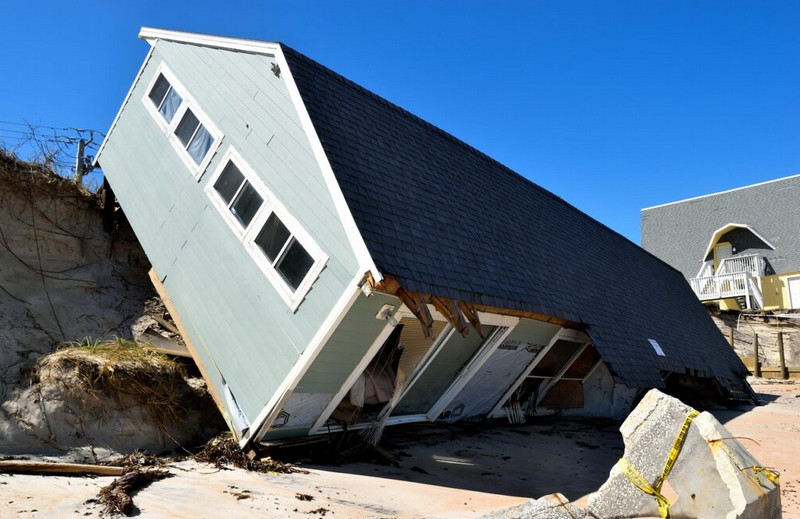
Mobile homes, while practical and affordable, are more vulnerable to severe weather compared to traditional site-built houses. Their lightweight construction and elevated design make them more susceptible to strong winds and flying debris. If not properly anchored, they can even shift or overturn during extreme weather events.
To prepare effectively, it’s important to understand the specific risks in your region. In Florida, for example, hurricanes and tropical storms are common, while other states may face tornadoes or hailstorms. Identifying these threats early helps you take targeted precautions to protect your home.
Create a Comprehensive Emergency Plan
The first step in how to prepare your mobile home for severe weather is having a solid emergency plan. This plan should include:
- Evacuation routes and safe destinations such as shelters or relatives’ homes.
- Emergency contacts for family, neighbors, and local authorities.
- A checklist of essential items to take during an evacuation.
Practice emergency drills with your household to ensure everyone knows what to do. Time is critical during a storm, and being organized can save lives.
Secure Outdoor Items and Reinforce Entry Points
When strong winds approach, unsecured outdoor objects can become dangerous projectiles. Take the time to store or secure items like patio furniture, grills, planters, and decorations. If you don’t have a garage or shed, tie them down with heavy-duty straps.
Doors and windows are often the weakest parts of a mobile home during severe weather. Reinforce them by:
- Installing storm shutters or covering windows with plywood.
- Using strong deadbolt locks on doors.
- Upgrading to impact-resistant windows and reinforced doors designed for high winds.
Small upgrades like these can significantly improve your home’s resistance to storms.
Anchor and Stabilize Your Mobile Home
One of the most crucial steps in storm-proofing your home is anchoring. Proper anchoring prevents your home from shifting or overturning during heavy winds. Many older mobile homes lack adequate tie-down systems, so it’s worth having a professional inspect your setup.
If needed, install ground anchors or metal tie-down straps that meet state safety codes. These reinforcements keep your home securely attached to the foundation, reducing the risk of structural failure during storms.
Inspect and Maintain Key Areas
Maintenance plays a vital role in mobile home safety. Start with your roof — one of the most vulnerable parts of your home. Inspect for loose shingles, cracks, or leaks. Apply a waterproof sealant or replace damaged areas to prevent water from seeping in.
Next, check the skirting around the base of your home. Secure or replace any weak or damaged panels to prevent wind from tearing them away. Reinforcing skirting also helps maintain insulation and prevents debris from blowing underneath your home.
Finally, trim trees and shrubs around your property. Falling branches can cause significant damage during storms, so clear away anything that poses a risk.
Stock Up and Stay Informed
Before a major storm, ensure you have enough supplies to last several days. Your emergency kit should include:
- Non-perishable food and bottled water
- Medications and first aid supplies
- Flashlights, batteries, and a portable radio
- Important documents in a waterproof container
- Cash and emergency contact information
Stay updated on weather alerts through official channels such as the National Weather Service or local emergency management agencies. Signing up for text alerts ensures you receive real-time information even during power outages.
Have a Clear Evacuation Plan
If local authorities issue an evacuation order, leave immediately. Never try to ride out a hurricane or tornado in a mobile home, regardless of how secure it seems. Plan your evacuation route in advance and ensure your vehicle is fueled and ready to go. Bring your emergency kit, identification documents, and pets.
After evacuation, monitor official updates before returning. Even if the storm passes, hazards like flooding or downed power lines may still pose risks.
Frequently Asked Questions
1. Why are mobile homes more at risk during severe weather?
Mobile homes are lighter and often lack the structural reinforcements of traditional homes, making them more vulnerable to high winds and debris.
2. How can I anchor my mobile home properly?
Hire a licensed contractor to install ground anchors or tie-down straps that meet state safety standards.
3. Should I stay in my mobile home during a hurricane?
No. Always evacuate to a safer structure when a hurricane warning is issued.
4. What kind of storm shutters work best?
Metal or polycarbonate storm shutters are durable and provide the best protection against flying debris.
5. How often should I inspect my mobile home for storm readiness?
Inspect your roof, anchors, and skirting at least twice a year — ideally before hurricane season.
6. What items should be in my emergency kit?
Include water, non-perishable food, medications, first aid supplies, flashlights, and important documents.
7. Can I reinforce my mobile home myself?
You can perform minor tasks like securing skirting and trimming trees, but major reinforcements should be handled by professionals.
8. How do I protect my mobile home from flooding?
Elevate your home on piers or install flood barriers if you live in a flood-prone area.
9. What should I do after a storm?
Inspect for damage carefully, avoid downed power lines, and contact your insurance company to file a claim if necessary.
10. Is insurance required for mobile homes in Florida?
While not always required, having wind and flood insurance is strongly recommended for Florida mobile homeowners.
Final Thoughts
Learning how to prepare your mobile home for severe weather is one of the best investments you can make in your safety and peace of mind. By reinforcing structural elements, creating an emergency plan, and staying informed, you can greatly reduce risks during hurricanes, tornadoes, or heavy storms.
Preparation doesn’t just protect property — it saves lives. Take time today to inspect, reinforce, and plan. Severe weather may be unpredictable, but with the right precautions, your mobile home can stand strong against the storm.