Learning how to rent a mobile home in Florida can make the process easier, whether you are new to the state or already familiar with mobile home living. Mobile homes offer affordability, flexibility, and access to warm climates and outdoor recreation that Florida is known for. However, renting a mobile home involves more steps than simply signing a lease. You must understand lease rules, park regulations, lot rent, tenant rights, and responsibilities. This guide explains everything you need to know to rent confidently and avoid costly mistakes.
Understanding Mobile Home Rental Basics
Mobile homes, sometimes referred to as manufactured homes, are built in a factory and transported to a designated location. In Florida, renters typically encounter two rental setups: renting both the mobile home and the lot in a mobile home park, or renting a mobile home located on private land. The experience you have will depend on the type of property, the park or landlord policies, and community rules.
Before deciding where to live, determine whether you want a community lifestyle or a more private space. Mobile home parks often provide amenities like clubhouses, swimming pools, and security, while mobile homes on private lots may offer more independence but fewer shared conveniences. Knowing your priorities helps you narrow down your search effectively.
Researching Florida Mobile Home Communities
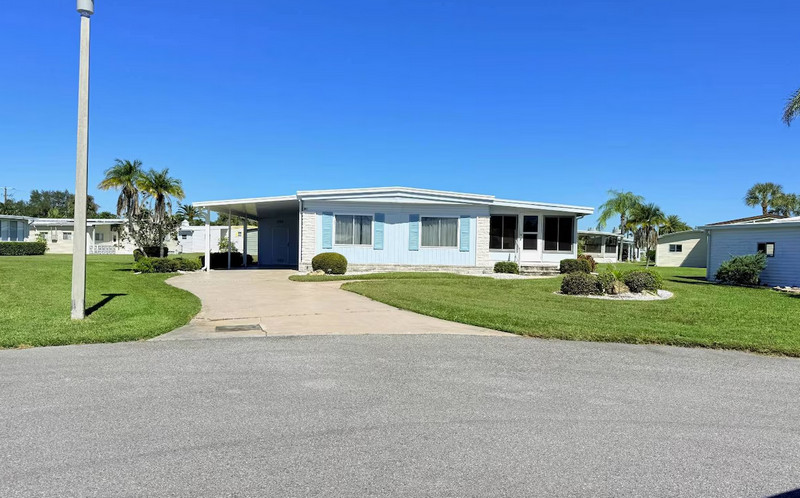
When learning how to rent a mobile home in Florida, location matters. Some renters choose coastal areas for beach access, while others prefer peaceful inland regions with lower costs. Because every park has different management styles, rules, and amenities, thorough research is important.
Things to look for:
- Proximity to grocery stores, hospitals, and major highways
- Age restrictions (some parks are 55+ only)
- Available amenities such as pools, laundry facilities, or fitness centers
- Park policies regarding pets, guests, and exterior home changes
Reading online reviews and speaking directly with current residents can provide honest insight into maintenance routines, management responsiveness, and community culture.
Understanding Lease Agreements and Lot Rent
A lease agreement outlines your rights and responsibilities as a tenant. Always review the lease carefully before signing. Clarify how long the lease lasts, how rent must be paid, and whether utilities are included. In most mobile home parks, you will pay both a rental fee for the home and a separate monthly lot rent for the land it sits on.
What to confirm before signing:
- Monthly home rent amount
- Monthly lot rent amount and what it covers
- Policies on rent increases and required notice
- Responsibility for lawn care, maintenance, and repairs
- Community rules regarding parking, home appearance, and noise
Because lot rent varies widely across Florida, be sure to factor it into your long-term budget.
Tenant Rights and Responsibilities in Florida
If you want to understand how to rent a mobile home in Florida legally, you must be aware of state tenant protections. Florida law requires that rental homes remain safe, structurally sound, and sanitary. Tenants must notify the landlord of needed repairs, and landlords must respond within a reasonable period.
Important tenant rights:
- Right to privacy (landlord must give notice before entering)
- Right to safe and livable conditions
- Right to receive written notice before eviction
In return, tenants must:
- Pay rent on time
- Maintain cleanliness and avoid property damage
- Follow all community and lease rules
Renters are encouraged to obtain renters insurance. This protects personal belongings and may provide liability coverage in case of accidents.
Applying to Rent a Mobile Home
Most landlords and parks require an application. Expect to provide:
- Proof of income or employment
- Rental references
- A background or credit check
If the home is in a park, the park must approve your residency. This means even if the landlord accepts you, the park manager may deny the application if it does not meet their criteria.
Key Considerations for Landlords
Preparing the Home and Setting Rental Rates
Landlords must ensure the home is safe, structurally secure, and clean before renting it. Basic repairs, functional appliances, and working utilities are essential. To set a rental rate, consider the age of the home, park location, included amenities, and local rental market comparisons.
Marketing and Screening Tenants
Advertising online helps reach potential renters quickly. However, screening tenants is essential to avoid missed rent payments or property damage. Conducting background and income verification ensures responsible tenancy and reduces future conflicts.
Lease Agreements and Communication
Written leases protect both parties. Landlords should outline payment schedules, maintenance expectations, and community rules clearly. Maintaining respectful communication helps avoid disputes and encourages positive, long-term landlord-tenant relationships.
Frequently Asked Questions
Do I need park approval to rent a mobile home in a mobile home park?
Yes. Most parks require applications to ensure tenants meet community guidelines.
Is lot rent separate from mobile home rent?
In most cases, yes. Lot rent is charged for the land and community services.
Can mobile home rent increase over time?
Yes. Landlords must provide written notice of rent increases.
Do tenants handle repairs?
Tenants handle minor upkeep, but landlords are responsible for major structural and safety repairs.
Is renters insurance required?
Not always, but it is strongly recommended.
What if I want to keep pets?
Check community pet policies. Some parks have restrictions or pet fees.
How long are lease terms?
Lease terms typically range from six months to one year.
Can I negotiate rent?
Sometimes. Negotiation may depend on vacancy rates and property condition.
Do I need good credit to rent?
Many landlords check credit, but approval depends on overall qualifications.
Can I sublease the mobile home?
Only if the lease agreement specifically allows it.
Final Thoughts
Understanding how to rent a mobile home in Florida gives you an advantage when choosing where to live. By researching communities, reviewing lease terms carefully, and respecting state rental laws, renters can enjoy comfortable, affordable living. Landlords who maintain their homes well, communicate clearly, and follow legal guidelines also benefit from stable and successful rental experiences. With the right preparation and awareness, renting a mobile home in Florida can be a smooth and rewarding process for everyone involved.