
Buying a fixer-upper can be a smart move for anyone looking to save money, add value, or create a custom home. In Florida and many other states, buyers often find excellent opportunities in older mobile homes that simply need updates. However, knowing how to spot a great fixer-upper mobile home takes planning, research, and attention to detail. Since not all homes offer good investment potential, learning what to look for helps you avoid costly mistakes and choose a property worth renovating.
Evaluating Structure, Roof, and Exterior
The first step in identifying a good fixer-upper is examining the home’s structure. A solid frame provides the foundation for all future improvements. When assessing a mobile home, look for signs of sagging, uneven flooring, or bowed walls. These issues may indicate deeper structural concerns that require expensive repairs, making the home less desirable.
The roof is also a critical component. A mobile home with a sturdy roof is significantly easier and more affordable to repair or upgrade. Roof problems, such as weak spots, leaks, or missing shingles, can create additional issues like mold or water damage. Ideally, choose a home with only minor roof repairs needed.
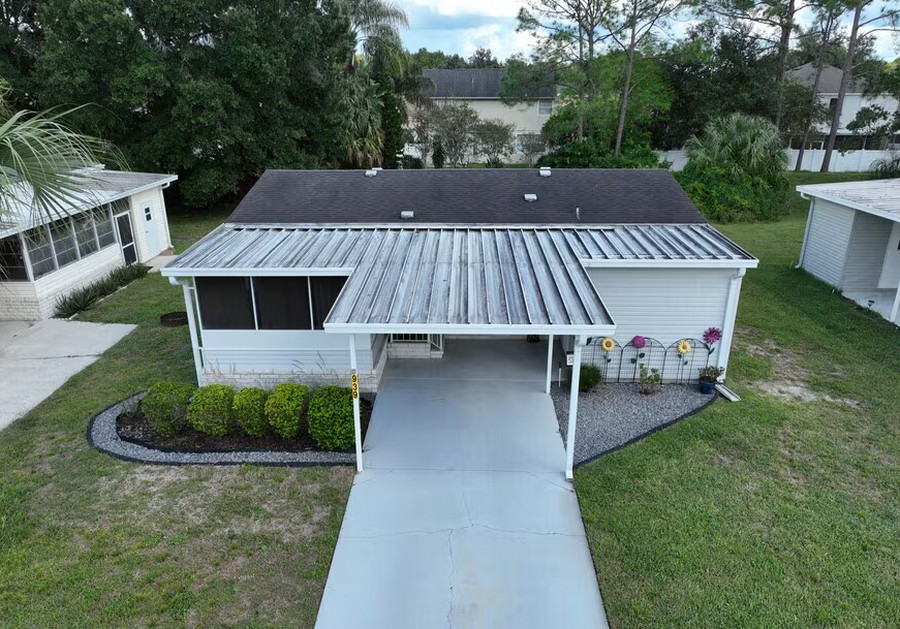
Exterior siding and skirting also matter. Inspect for cracks, rust, or holes. These components protect the home from weather and pests, so damaged siding or skirting can become costly if left unaddressed. Minor cosmetic issues are acceptable, but severe exterior damage may reduce a home’s renovation value.
Checking Windows, Doors, and Interior Condition
To understand how to spot a great fixer-upper mobile home, always examine windows and doors. They should open and close smoothly, seal well, and show no signs of water damage. Replacing windows or exterior doors can be expensive, so having functioning ones already installed is a major benefit.
Inside the home, flooring is often a giveaway of larger issues. Soft spots, sagging, or buckling floors may indicate water damage or damaged subflooring. While cosmetic flooring updates are manageable, major subfloor replacements increase renovation costs significantly. Carefully walk through every room to detect uneven or damaged floors.
Cabinets, walls, and built-in furniture should also be inspected. Minor wear and tear is normal in a fixer-upper, but major warping, mold growth, or structural wall damage may lead to higher renovation expenses. Look for signs of moisture, staining, and persistent odors.
Inspecting Plumbing, Electrical, and Utilities
Plumbing and electrical systems are two major factors that determine whether a home is worth renovating. Older mobile homes often contain outdated wiring or pipes that no longer meet modern standards. Test outlets, run faucets, flush toilets, and check for leaks. Corrosion on pipes or low water pressure can be signs of underlying issues.
If possible, ask the seller about past plumbing or electrical repairs. Even better, hire a licensed professional to inspect these systems before committing to the purchase. A great fixer-upper mobile home may still need updates, but avoid homes requiring full system replacements unless the price justifies the repair cost.
Utilities such as water access, electricity availability, and heating or cooling systems also impact long-term comfort. Inspect the HVAC system, vents, and ducts for wear or leaks. Homes with newer HVAC systems typically provide better value.
Looking for Signs of Damage and Overall Age
Pest damage is another concern for fixer-upper mobile homes. Termites, rodents, and insects can cause structural and cosmetic problems. Check for droppings, chew marks, or holes around the baseboards and skirting.
Water damage and mold are equally important. Mold can appear as black, green, or brown spots on walls, ceilings, or flooring. Because mold removal can be expensive, buyers should avoid homes with extensive damage unless priced very low.
The age of the mobile home also affects renovation costs. Homes built before 1976 (pre-HUD code) may require more work because their building standards differ from modern requirements. Although older homes may still be excellent opportunities, buyers should compare potential repair costs with their renovation budget.
Additional Factors That Help Identify a Great Fixer-Upper
- Research the home’s model and manufacturer to understand long-term durability.
- Check local building codes that may affect renovation plans.
- Review the park’s rules and lot fees before buying.
- Ask about past repairs to evaluate the home’s history.
- Study the overall renovation cost and compare it to the home’s potential resale value.
Considering Location, Community, and Resale Value
In addition to physical condition, location plays a major role in determining how to spot a great fixer-upper mobile home. Homes in desirable parks or regions tend to hold higher value, even when they require repairs. Consider nearby amenities such as shopping centers, healthcare facilities, and recreation areas.
Lot fees also matter. Some parks offer affordable monthly rent, while others charge higher fees for amenities like pools or clubhouses. Ensuring the lot rent fits your long-term budget is essential.
If you plan to resell in the future, focus on mobile homes located in high-demand parks with good reputations. These homes often appreciate more quickly after renovations.
FAQ: How to Spot a Great Fixer-Upper Mobile Home
How important is structural integrity?
It is the most important factor because major structural issues are expensive to repair.
Can I buy a fixer-upper with roof problems?
Yes, but only if the damage is minor. Major roof repairs greatly increase costs.
Should I avoid homes with mold?
Avoid homes with extensive mold unless priced extremely low, as remediation is costly.
Are older mobile homes good fixer-uppers?
Yes, if they are structurally sound. Older homes often require more updates.
Is it safe to buy a home with old wiring?
It can be, but outdated wiring may need replacement. Always get a professional inspection.
Can plumbing issues be repaired easily?
Minor issues are manageable, but full plumbing replacements can be expensive.
Do damaged floors mean the home is a bad deal?
Not always. Surface damage is fine, but damaged subflooring increases repair costs.
Should I check park rules before buying?
Yes. Park restrictions may affect renovations and long-term living.
Does location impact fixer-upper value?
Absolutely. Homes in desirable parks or areas usually appreciate more.
How do I estimate renovation costs?
Consult local contractors and compare prices with similar renovated homes.
Final Thoughts
Learning how to spot a great fixer-upper mobile home helps buyers make informed decisions and maximize their investment. By evaluating structure, utilities, repairs, and community factors, you can identify homes with strong renovation potential. When combined with patience, research, and a realistic budget, a fixer-upper mobile home can become an affordable and rewarding project that delivers long-term value.