
Turning a mobile home into a rental property in Florida is becoming a popular financial strategy due to the rising demand for affordable and flexible housing. Florida attracts retirees, long-term residents, seasonal vacationers, and workers seeking temporary or lower-cost living arrangements. Because of this, many property owners are exploring how to earn a consistent income through mobile home rentals. With the right preparation, legal understanding, and management approach, a mobile home can become a stable and profitable rental investment. For those who want to grow further in this field, there are also opportunities to become a mobile home sales agent in rental investment, offering another source of income.
Before beginning, it’s important to understand the laws, evaluate market demand, prepare your home properly, and set fair pricing. While the process involves planning and upkeep, it can provide significant financial rewards when done correctly.
Understand Local Zoning Laws and Regulations
Before converting your mobile home into a rental, you must make sure your property follows state and local regulations. Mobile home rental rules may vary by city or county, so researching the legal requirements helps you avoid fines and delays.
- Zoning Laws: Confirm that your mobile home can be legally rented based on its location. Some residential areas have restrictions.
- Mobile Home Park Rules: If your home is located in a park, check whether rentals are permitted and whether tenant screening is required.
- Licensing and Registration: Some Florida localities require landlords to register or obtain a business license to legally rent their property.
- Safety and Building Codes: Make sure the home meets Florida safety standards. You may need to update features or request inspections.
These requirements ensure that the rental situation is lawful and safe for tenants.
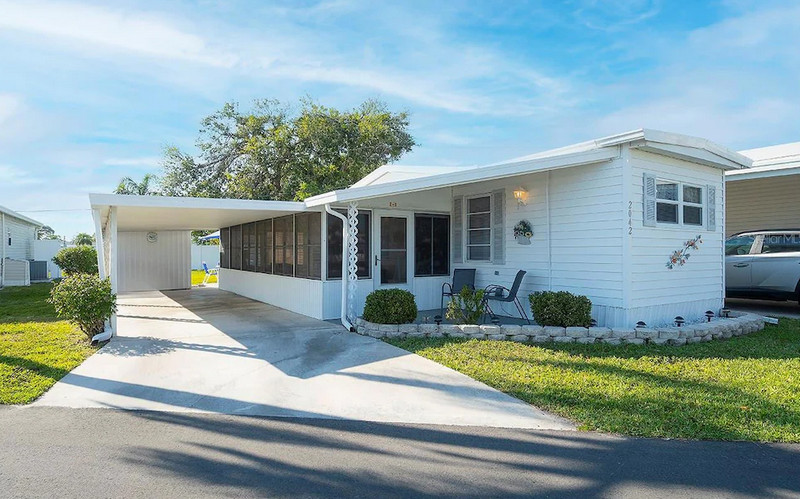
Determine the Market Demand
Understanding your rental market helps you determine the ideal price and tenant type. Different regions of Florida attract different renters, so evaluating your location plays a major role in your success.
- Research Comparable Rentals: Look at listings in your area on platforms like Zillow, Apartments.com, and Craigslist to see pricing and features.
- Identify Your Target Tenants:
- Retirees: Common in 55+ communities looking for cost-friendly, low-maintenance homes.
- Families: Many all-age parks attract families who need more affordable housing.
- Vacationers: Coastal areas and tourist destinations are ideal for short-term rentals.
- Seasonal Workers and Contractors: Areas near cities or commercial projects often attract temporary workers.
- Seasonal Variations: Tourist-heavy areas can generate higher seasonal rental income, especially during winter months.
By knowing demand patterns, you can market strategically and competitively.
Prepare the Mobile Home for Tenants
Once legal requirements and market conditions are confirmed, the next step is preparing your mobile home. A well-maintained home attracts reliable tenants and increases rental value.
- Repair and Clean: Ensure plumbing, electrical, appliances, and HVAC are functioning. Clean thoroughly and repair damage.
- Modernize When Possible: Simple updates such as new flooring, fresh paint, or updated light fixtures can make the property more appealing.
- Furnished vs. Unfurnished: Furnished homes are ideal for short-term renters. Unfurnished homes attract long-term residents.
- Safety Essentials: Install smoke detectors, carbon monoxide detectors, secure door locks, and provide emergency instructions.
The better the home looks and functions, the more likely you are to attract quality tenants and maintain consistent occupancy.
Set a Competitive Rental Price
Pricing affects how quickly your property rents and how profitable the investment becomes. Balancing affordability with income goals is essential.
- Calculate Expenses: Include insurance, loan payments, maintenance, utilities, lot rent (if in a park), and taxes.
- Compare Local Rates: Look for similar mobile homes in your area to determine a competitive price range.
- Seasonal Pricing: If your property is located in a tourist area, adjust rates during peak season for increased earnings.
A fair price helps attract long-term tenants and prevents extended vacancies.
Create a Strong Lease Agreement
A well-written lease protects both landlord and tenant. Florida law provides guidance regarding mobile home rental agreements.
- Rental Terms: Specify payment schedule, length of lease, and late fees.
- Security Deposit Rules: Florida requires specific handling and documentation of deposits.
- Maintenance Responsibilities: Define which repairs are landlord responsibility and which are tenant responsibility.
- Utilities and Fees: Clarify if utilities are included and whether tenants must pay lot rent.
- Community Rules: If inside a park, include any required regulations.
Clear expectations lead to fewer misunderstandings and smoother tenancy.
Market Your Mobile Home Rental
Attracting tenants requires effective marketing. Fortunately, mobile home rentals perform well on online platforms and community networks.
- Online Listings: Use Zillow, Craigslist, Apartments.com, or Airbnb for temporary rentals.
- Social Media Posts: Facebook Marketplace and community groups are highly effective in local rental markets.
- Local Advertising: Use neighborhood boards, local papers, or mobile home park bulletin boards.
- Word-of-Mouth: Inform neighbors, friends, and coworkers.
Consistency in marketing helps fill vacancies faster and allows you to choose better tenants.
Frequently Asked Questions
Do I need a license to rent a mobile home?
Some Florida cities require landlord registration or licensing.
Can all mobile homes be rented?
Not always. Check zoning laws and park rules.
Is furnishing necessary?
No. It depends on whether you target long-term renters or vacationers.
How do I set the right rental price?
Compare similar rentals and calculate your expenses.
Do I need landlord insurance?
Yes. It protects you from liability and property damage.
What if the home is in a mobile home park?
You must follow the park’s rental policies and fees.
How do I keep long-term tenants?
Maintain the property and respond quickly to repair requests.
Can this become a full-time income?
Yes, especially with multiple properties or seasonal pricing.
How can I increase profits?
Offer upgrades, allow short-term rentals, and reduce vacancy time.
Can I expand into sales?
Yes, you can become a mobile home sales agent in rental investment to build additional income.
Final Thoughts
Turning a mobile home into a rental investment can be a reliable way to earn consistent income in Florida’s strong housing market. By following legal requirements, preparing the property well, researching demand, and pricing strategically, you can increase your long-term profitability. With time and attention, your mobile home can become a dependable financial asset and even lead to opportunities to become a mobile home sales agent in rental investment for greater earning potential.