
Living in Florida offers year-round sunshine, beach access, and warm weather, but it also comes with seasonal hurricane risks. Because of this, many residents—especially those living in manufactured housing—often ask, are mobile homes safe during a storm? The answer depends on several key factors, including when the home was built, how well it is anchored, the severity of the storm, and the level of preparation taken before the storm arrives. With the right precautions and information, mobile home residents can improve safety and reduce risks. This guide explains the risks, preparation steps, safety standards, and long-term protective strategies to help residents stay prepared during hurricane season.
Understanding Storm Risks for Mobile Homes
Mobile homes are more vulnerable to severe weather than site-built homes because they generally weigh less and have different structural anchoring systems. High winds, heavy rain, and debris impacts can all pose a threat. Understanding these risks is the first step in making informed decisions during a storm.
- Wind Pressure: Strong hurricane winds can place pressure on walls and roofing, and older mobile homes may not be designed to withstand these loads.
- Foundation Movement: If a mobile home is not anchored properly, extreme winds may shift or lift the structure.
- Flooding Risk: Storm surges and heavy rain can cause flooding, especially in coastal or low-lying areas.
- Flying Debris: Objects picked up by wind can break windows and cause additional structural damage.
Even with these concerns, not all mobile homes face the same level of risk. Homes built after federal safety standards were strengthened are significantly safer than older models.
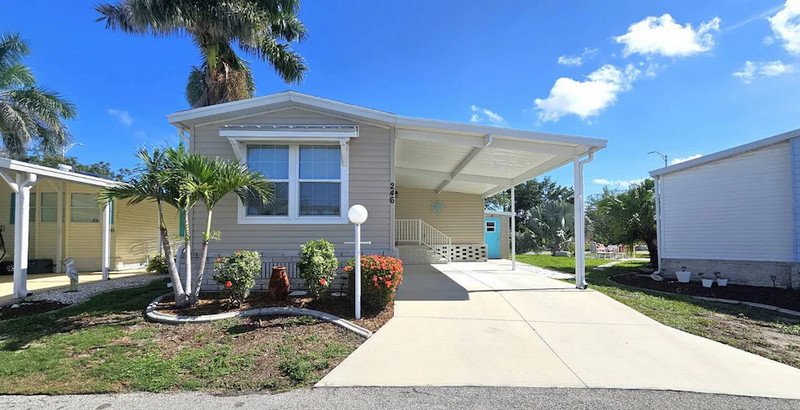
Storm Preparation Measures for Mobile Home Residents
Because hurricane strength can vary, preparation is essential. Taking action before a storm increases safety and may reduce damage.
- Know Your Evacuation Zone: Learn local evacuation routes and pay attention to advisories. Mobile home residents are often advised to evacuate during hurricanes due to increased wind vulnerability.
- Create a Storm Emergency Kit: Pack water, non-perishable food, extra clothing, medications, flashlights, batteries, identification, and insurance documents.
- Secure Outdoor Items: Bring outdoor furniture, garden tools, and loose objects inside so they don’t become airborne.
- Check Anchoring System: Ensure tie-downs and anchors are secure. If you’re unsure, schedule an inspection by a licensed installer.
- Board or Cover Windows: Use storm shutters or plywood to reduce the risk of glass breakage caused by debris.
These simple preparations can significantly reduce property damage and increase personal safety.
Mobile Home Safety Standards and Regulations
The question, are mobile homes safe during a storm, is also closely linked to when the home was manufactured. Homes built before July 1976 were not required to meet national safety standards. After that point, the U.S. Department of Housing and Urban Development (HUD) implemented construction and wind load standards for manufactured homes. Florida has additional building code requirements due to frequent hurricanes.
Key safety requirements include:
- Wind Zone Ratings: Florida homes are designed according to wind zones. Homes in coastal and southern regions must meet higher wind load standards.
- Anchoring and Tie-Down Requirements: Mobile homes must be anchored to prevent shifting during strong winds. Reinforced anchoring systems greatly improve stability.
- Elevation Standards: In flood-prone areas, homes may be required to sit on elevated foundations to prevent water intrusion.
These standards have improved mobile home storm safety in recent decades, but evacuation during hurricanes remains the safest option.
Protecting Your Mobile Home in the Future
After preparing for immediate safety, long-term improvements can make your home more storm-resistant.
- Upgrade Tie-Downs: Modern anchoring systems perform better in hurricanes than older strap systems.
- Install Durable Roofing Materials: Consider metal roofing or reinforced roofing systems for improved wind resistance.
- Add Storm Shutters: Permanent or removable storm shutters protect windows and reduce debris damage.
- Landscaping for Safety: Remove weak or overhanging trees that could fall during storms.
These upgrades can increase safety and help maintain property value.
Frequently Asked Questions
Are mobile homes safe during a storm?
Mobile homes can be safe during mild storms, but during hurricanes, evacuation is strongly recommended due to wind vulnerability.
Do newer mobile homes withstand storms better than older ones?
Yes. Homes built after the HUD code improvements have stronger wind-resistant construction standards.
Should I evacuate during a hurricane if I live in a mobile home?
Yes. Authorities generally advise evacuation for mobile home residents during hurricane warnings.
Can tie-downs protect a mobile home in strong winds?
They improve safety, but they do not guarantee protection in high-category hurricanes.
How do I know if my mobile home is properly anchored?
Have a licensed installer inspect the anchoring system to verify compliance with Florida building codes.
Will insurance cover storm damage to my mobile home?
Coverage varies by policy. Review your homeowner’s insurance and consider additional wind and flood coverage.
Do storm shutters really make a difference?
Yes. They reduce the risk of broken windows and water intrusion from flying debris.
Are mobile home parks required to have emergency plans?
Many parks have safety plans, but residents should also create personal evacuation plans.
Can landscaping help reduce storm risk?
Maintaining trees and removing weak branches can reduce debris damage during storms.
Is it expensive to upgrade storm protection features?
Costs vary, but upgrades like tie-downs and shutters are generally affordable and can significantly improve safety.
Final Thoughts
So, are mobile homes safe during a storm? They can offer safe living in normal conditions, but during hurricanes or severe tropical storms, the safest option is to evacuate. Preparedness, structural upgrades, and awareness of building standards all help reduce risks. By understanding how storms affect mobile homes and taking proactive steps, Florida residents can protect themselves, safeguard their property, and approach hurricane season with greater confidence.