
Many homeowners wonder: is a manufactured home the same as a mobile home? The answer involves understanding construction dates, federal regulations, and building standards that separate these housing types.
The Basic Definition Difference
The terms “mobile home” and “manufactured home” often confuse buyers and sellers alike. Both describe factory-built housing units constructed off-site and transported to their final location. However, the key difference lies in when they were built and which building codes apply.
Mobile homes were built before June 15, 1976. These homes followed different construction standards and safety requirements. Manufactured homes, on the other hand, were built after this date and must meet strict federal guidelines established by the HUD Code.
The distinction matters for several reasons:
- Insurance coverage varies between the two types
- Financing options differ significantly
- Resale values are affected by classification
- Safety standards and building codes apply differently
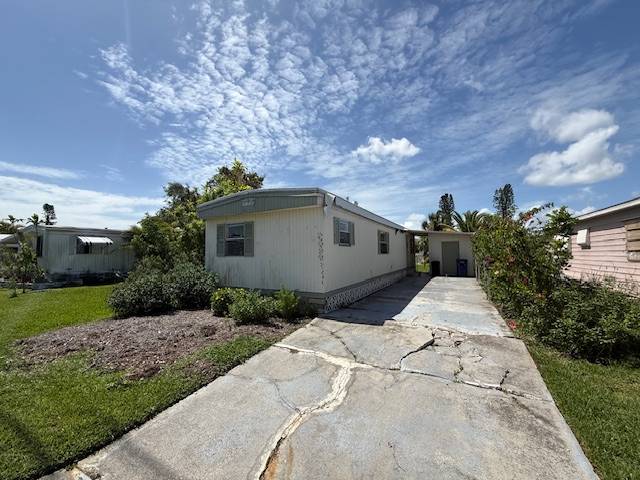
Understanding Mobile Home Construction Standards
Mobile homes built before 1976 followed local or state building codes. These standards varied widely across different regions. Consequently, older mobile homes may lack modern safety features and energy efficiency standards.
Most mobile homes featured single-pane windows and minimal insulation. The electrical systems often used aluminum wiring instead of copper. Plumbing systems typically relied on plastic pipes that may not meet current standards.
Fire safety measures were less stringent in pre-1976 construction. Many mobile homes lacked smoke detectors and proper egress windows. The structural integrity also differed from modern manufactured homes.
The HUD Code Revolution for Manufactured Homes
The Housing and Urban Development (HUD) Code transformed factory-built housing after 1976. This federal standard ensures manufactured homes meet specific safety, design, and construction requirements. The code covers everything from structural elements to plumbing and electrical systems.
Manufactured homes must display a red HUD label certifying compliance. This certification process includes rigorous inspections during construction. The standardized approach improved quality control across all manufacturers.
Modern manufactured homes feature improved insulation and energy-efficient windows. The electrical systems use copper wiring and meet national electrical codes. Plumbing systems utilize materials that comply with modern standards.
Is a Manufactured Home the Same as a Mobile Home in Terms of Quality?
Quality differences between manufactured homes and mobile homes are significant. Manufactured homes built after 1976 generally offer superior construction and materials. The HUD Code mandates minimum standards for structural integrity and safety features.
Wind resistance standards for manufactured homes exceed those of older mobile homes. Modern units must withstand winds up to certain speeds depending on their location. The foundation systems also meet stricter requirements for stability.
Interior features in manufactured homes often match site-built home standards. Kitchen appliances, flooring materials, and bathroom fixtures reflect contemporary preferences. The overall design aesthetics have evolved to resemble traditional homes more closely.
Financing and Insurance Considerations
Lenders treat manufactured homes and mobile homes differently when evaluating loan applications. Manufactured homes built after 1976 qualify for more financing options. FHA loans, VA loans, and conventional mortgages are available for qualifying manufactured homes.
Mobile homes face more limited financing choices. Many lenders consider older units higher risk investments. Interest rates for mobile home loans typically exceed those for manufactured homes.
Insurance coverage also varies between the two housing types. Manufactured homes can qualify for homeowners insurance policies. Mobile homes may require specialized mobile home insurance with different coverage terms.
The classification affects property taxes in many jurisdictions. Manufactured homes on permanent foundations may qualify for real property taxation. Mobile homes often face personal property tax treatment instead.
Legal and Regulatory Framework
Federal oversight of manufactured housing began with the National Manufactured Housing Construction and Safety Standards Act. This 1974 legislation established the framework for HUD Code implementation. The law preempts state and local building codes for manufactured homes.
State regulations still govern mobile homes built before 1976. These homes must comply with applicable local codes and zoning requirements. Renovation projects may trigger modern code compliance requirements.
The legal distinction between manufactured homes and mobile homes affects:
- Zoning classifications and permitted locations
- Building permit requirements for modifications
- Inspection protocols for safety compliance
- Resale disclosure requirements
Common Misconceptions About Mobile and Manufactured Homes
Many people incorrectly assume all factory-built homes are “trailers.” This misconception stems from early mobile home designs that resembled travel trailers. Modern manufactured homes bear little resemblance to their predecessors.
Another myth suggests manufactured homes always depreciate like automobiles. Well-maintained manufactured homes on owned land can appreciate over time. The key factors include location, condition, and local market conditions.
Some buyers believe manufactured homes cannot be customized or expanded. Many manufacturers offer extensive customization options during the ordering process. Post-construction modifications are possible with proper permits and professional installation.
The assumption that all manufactured housing is temporary is also incorrect. Permanent foundations and utility connections make modern manufactured homes suitable for long-term residence.
Market Value and Resale Considerations
Manufactured homes typically retain value better than older mobile homes. The improved construction standards and modern features appeal to more buyers. Location plays a significant role in determining resale potential.
Manufactured homes on owned land generally command higher prices than those in rental communities. The ownership of the underlying property provides long-term stability for buyers. Financing availability also improves for homes on owned lots.
Age affects both mobile and manufactured home values. Homes built in the 1990s and later often feature more desirable layouts and amenities. Earlier manufactured homes may require updates to compete in today’s market.
Market conditions vary by region and local demand for affordable housing. Some areas show strong appreciation for well-maintained manufactured homes. Others may see slower value growth compared to site-built properties.
Modern Manufactured Home Features
Today’s manufactured homes include features that rival site-built construction. Open floor plans, vaulted ceilings, and large windows create spacious interiors. Kitchen islands, walk-in closets, and master suites are common amenities.
Energy efficiency has improved dramatically in recent decades. Double-pane windows, enhanced insulation, and efficient HVAC systems reduce utility costs. Some manufacturers offer ENERGY STAR certified models with premium efficiency ratings.
Smart home technology integration is becoming standard in new manufactured homes. Wi-Fi ready wiring, programmable thermostats, and security systems come pre-installed. These features appeal to tech-savvy buyers seeking modern conveniences.
Exterior designs now mimic traditional architectural styles. Ranch, colonial, and craftsman-inspired facades are available options. The goal is creating homes that blend seamlessly into established neighborhoods.
Installation and Setup Requirements
Proper installation is critical for both manufactured homes and mobile homes. Licensed installers must follow specific procedures for foundation preparation and utility connections. The setup process affects the home’s structural integrity and warranty coverage.
Foundation requirements differ based on local codes and manufacturer specifications. Permanent foundations may increase financing options and property classifications. Temporary setups are suitable for some locations but limit certain benefits.
Utility connections require professional installation to meet safety codes. Electrical, plumbing, and HVAC systems must be properly integrated with local infrastructure. Permits are typically required for these connections.
The installation process includes:
- Site preparation and leveling
- Foundation or blocking system installation
- Transportation and placement of home sections
- Utility connection and system activation
- Final inspections and certificate of occupancy
Choosing Between Mobile and Manufactured Homes
Buyers considering factory-built housing should understand the differences between mobile and manufactured homes. Budget constraints may make older mobile homes attractive, but long-term costs could offset initial savings.
Manufactured homes offer better financing options and insurance coverage. The improved construction standards provide peace of mind for safety-conscious buyers. Resale potential is generally stronger for manufactured homes.
Location restrictions may limit choices for both housing types. Some communities prohibit mobile homes while allowing manufactured homes. Zoning laws and homeowners association rules affect placement options.
Professional inspections are recommended for both mobile and manufactured homes. Qualified inspectors can identify potential issues and maintenance needs. This information helps buyers make informed purchasing decisions.
FAQ Section
What year separates mobile homes from manufactured homes?
June 15, 1976 is the cutoff date. Homes built before this date are mobile homes, while those built after are manufactured homes.
Can mobile homes be converted to manufactured home status?
No, the classification is permanent and based on the original construction date and applicable building codes at that time.
Do manufactured homes qualify for traditional mortgages?
Yes, manufactured homes meeting certain criteria can qualify for FHA, VA, and conventional financing options.
Are manufactured homes built to the same standards as site-built homes?
Manufactured homes follow HUD Code standards, which differ from but are comparable to local building codes for site-built homes.
Can you add onto a mobile home or manufactured home?
Additions are possible but require permits and must meet applicable building codes and manufacturer specifications.
Do manufactured homes appreciate in value?
Well-maintained manufactured homes on owned land can appreciate, though typically at slower rates than site-built homes.
What insurance do I need for a manufactured home?
Manufactured homes can qualify for homeowners insurance, while mobile homes may require specialized mobile home insurance policies.
Can mobile homes be moved after installation?
Moving is possible but expensive and may require structural modifications to meet current transportation standards.
Are there size differences between mobile and manufactured homes?
Both can vary in size, but modern manufactured homes offer more size options and configurations than older mobile homes.
What financing is available for mobile homes built before 1976?
Financing options are limited, typically requiring personal property loans with higher interest rates and shorter terms.
The question “is a manufactured home the same as a mobile home” has a clear answer based on construction dates and building standards. While both represent factory-built housing, manufactured homes built after 1976 offer superior quality, safety features, and financing options. Understanding these differences helps buyers make informed decisions about their housing needs and investment potential.