
Florida continues to attract people with its warm climate, scenic beaches, and relaxed lifestyle. For many, the dream of living in the Sunshine State comes with a need to find affordable housing. One option that often gains attention is purchasing a repo mobile home. These homes, also known as repossessed manufactured homes, can offer substantial savings—but they also come with important considerations.
A repo mobile home is a property that a lender has taken back from its previous owner because of missed loan payments. The lender then resells the home, often at a reduced price, to recover financial losses. Because of the lower costs, these homes appeal to first-time homebuyers, retirees, and anyone looking to reduce housing expenses. However, buying a repossessed home requires careful research, proper screening, and planning to avoid unexpected challenges.
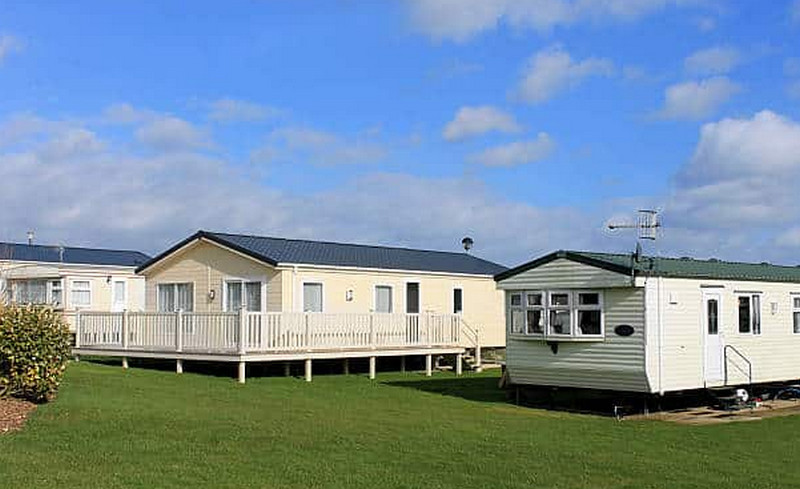
Understanding What a Repo Mobile Home Means
A repo mobile home is typically sold by banks, financing companies, or government loan programs after the original owner defaults on their loan. Unlike a traditional sale, the lender is primarily interested in selling the home quickly, which may benefit buyers looking for low pricing.
However, because the home may have been vacated suddenly, there is no guarantee regarding its condition. Some repo homes are well-maintained and only require minor cleaning or updates, while others may need significant repair work due to neglect, vandalism, or storm exposure.
Buyers researching repo mobile homes should always gather as much information as possible about the home’s maintenance history, year of construction, installation standards, and location. A home built after 1976 will fall under HUD safety standards, which is especially important when considering long-term durability in Florida’s climate.
Where to Find Repo Mobile Homes in Florida
There are several ways to locate repo mobile homes for sale throughout Florida, and exploring multiple sources increases your chances of finding a suitable home:
- Mobile Home Dealerships: Many dealerships dedicate a portion of their inventory to repossessed manufactured homes. These dealerships often help with financing and installation.
- Auctions: Lenders sometimes sell repo homes through public auctions. These may be listed in local newspapers or on auction websites.
- Online Marketplaces: Websites such as Craigslist, Facebook Marketplace, and industry-specific listing platforms often feature repo listings from owners, dealers, and banks.
Because repossessed homes may sell quickly, buyers benefit from staying active in their searches and acting promptly once they identify a potential match.
Advantages of Buying a Repo Mobile Home
The most notable benefit of buying a repo mobile home is affordability. These homes are frequently priced below comparable manufactured homes sold through traditional channels. This lower cost can allow buyers to secure homeownership with a smaller down payment and more manageable monthly expenses.
- Cost Savings: Repo homes often sell for less because lenders want to recover losses quickly. This can create an opportunity to obtain a home below market value.
- Faster Closing: Since lenders often complete necessary paperwork beforehand, the buying process may move faster than a conventional home sale.
- Financing Availability: Some lenders still allow financed purchases of repo homes, depending on the home’s condition and foundation setup.
For buyers who want to minimize expenses or invest in a property to renovate and upgrade, repo homes can be a smart starting point.
Potential Risks When Buying a Repo Mobile Home
Despite the cost benefits, there are important risks to consider before purchasing a repo mobile home. Buyers need to be aware of the home’s current condition, any repairs needed, and whether the title is clear.
- Unknown Condition: Because a repossessed home may have been vacated quickly, maintenance issues or damages may not have been addressed. This includes leaks, mold, electrical problems, or structural deterioration.
- Repair Costs: Any issues uncovered during inspection must be budgeted for. Repairs can become expensive if water damage, flooring replacement, or re-leveling is needed.
- Title and Ownership Issues: Buyers must ensure the home does not have liens or unresolved financial claims attached to it.
- Park Rules and Lot Rent: If the home remains in a mobile home park, lot rent fees still apply. Some parks may not allow home relocation without approval.
Because of these factors, deciding to buy a repo mobile home requires careful decision-making rather than focusing on price alone.
Steps to Take Before Purchasing a Repo Mobile Home
To avoid unexpected problems, follow these essential steps:
- Schedule a Full Inspection: Hire a licensed mobile home inspector to evaluate structural components, roofing, plumbing, HVAC, and electrical systems.
- Verify the Title: Conduct a full title search to confirm that the home is free of financial claims or unresolved ownership issues.
- Budget for Repairs: Assume that repairs are likely, and factor this into your total cost planning.
- Review Community Rules: If the home is located in a mobile home park, review policies regarding rent, pets, renovations, and resale restrictions.
- Explore Financing Options: Some lenders specialize in manufactured home financing, although rates may vary based on the home’s age and condition.
Taking these steps ensures your purchase is informed and reduces long-term risks.
FAQ About Repo Mobile Homes
1. What is a repo mobile home?
It is a manufactured home repossessed by a lender because the previous owner defaulted on payments.
2. Are repo mobile homes cheaper than regular mobile homes?
Yes, they are often sold at lower prices to recover financial losses.
3. Can I finance a repo mobile home?
Financing may be available depending on the lender, the home’s condition, and foundation setup.
4. Can I move a repo home to new land?
Yes, but relocation must follow state installation standards and may require additional permits.
5. Should I get an inspection?
Absolutely. Inspections help you understand repair needs and safety conditions.
6. Do repo homes usually need repairs?
Many do, especially if the home was neglected before repossession.
7. How do I check for title issues?
A title search conducted through a title company or attorney ensures the home is legally transferable.
8. Do I need to pay lot rent?
If the home sits in a park, monthly lot rent applies unless you move the home to land you own.
9. Are repo mobile homes safe?
Safety depends on condition. Proper inspection and repairs are essential.
10. Can I remodel a repo mobile home?
Yes, but renovations should follow HUD and Florida installation standards.
Final Thoughts
Buying a repo mobile home in Florida can be a cost-effective way to secure affordable housing in a desirable location. However, success depends on taking the right precautions: inspect the home thoroughly, confirm a clear title, understand community fees, and plan a realistic repair budget. By approaching the process carefully, buyers can enjoy both savings and long-term comfort in their new home.
I have the domain name MobileHomeRepoMan.com for sale. Interested? contact me 352-299-6910