
The debate between buying a mobile home and renting an apartment has grown more relevant in today’s dynamic housing market. Both options offer distinct benefits and drawbacks, making the decision complex. This guide breaks down the essential factors, including financial considerations, lifestyle choices, and long-term goals.
Mobile homes often appeal for their affordability and potential for homeownership, providing stability and control over your living environment. In contrast, renting an apartment offers flexibility, convenience, and ease of relocation, ideal for those with shifting priorities or uncertain job locations.
In this comparison, we will explore pricing, amenities, equity, maintenance, privacy, and lifestyle impacts. By understanding these aspects, you’ll be better equipped to decide whether buying a mobile home or renting an apartment fits your personal circumstances.
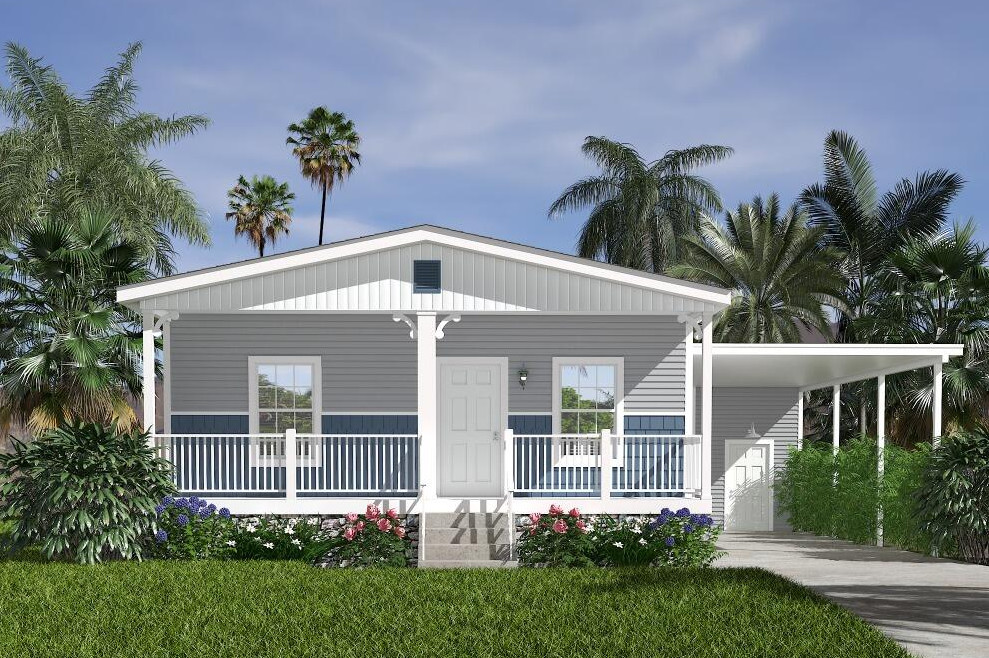
Mobile Home vs. Apartment Prices
When comparing costs, consider multiple factors such as home type, size, location, and amenities. Prices vary significantly:
- Single-Wide Mobile Home: Typically the most affordable option. Older units may cost $20,000, while new, fully equipped homes can exceed $100,000. Additional land or lot rent may apply.
- Double-Wide Mobile Home: Offers more space and amenities. Prices generally start at $40,000 and can reach $150,000 depending on features and location.
- Triple-Wide Mobile Home: The largest and most luxurious. Costs range from $80,000 to $300,000, influenced by size, amenities, and location.
- Apartment: Prices vary by city, neighborhood, and amenities. Renting a one-bedroom apartment in a metropolitan area can cost $1,000 to $3,000 per month, while larger units or premium locations are more expensive.
While mobile homes offer potential homeownership, they come with additional costs, including utilities, lot rent, property taxes, and maintenance. Apartments, however, usually include maintenance and sometimes utilities, providing more predictable monthly costs.
Financial Considerations and Flexibility
Mobile homes require upfront investment and ongoing maintenance, but they can provide long-term housing stability. Conversely, apartments offer lower initial costs, predictable expenses, and the ability to relocate with minimal hassle.
Mobile Home vs. Apartment: Amenities and Activities
Amenities can significantly affect your quality of life:
Mobile Home Parks:
- Community Amenities: Pools, playgrounds, clubhouses, and fitness centers enhance social opportunities and recreation.
- Outdoor Space: Yards or gardens allow private outdoor activities like barbecues or gardening.
- Ownership Control: Homeowners can personalize their spaces freely.
Apartments:
- Shared Amenities: Fitness centers, pools, laundry, and common areas are maintained by management.
- Maintenance-Free: Landlords handle upkeep of common areas and building systems.
- Convenience: Proximity to shops, public transportation, and entertainment makes city living easier.
- Security: Many complexes provide gated access, cameras, and secure entry systems.
Lifestyle Implications
Mobile homes typically provide quieter, suburban or rural living with outdoor space, which suits those seeking tranquility and hobbies that require space. Apartments, however, offer urban conveniences and cultural access, ideal for those thriving on city life and social activity.
Mobile Home vs. Apartment: Equity
Understanding equity potential is key:
Mobile Home Equity:
- Ownership: Mobile homes are personal property; you may not own the land, limiting equity growth.
- Depreciation: Mobile homes often depreciate like vehicles, making long-term appreciation modest.
- Limited Appreciation: Only land ownership may generate value growth.
- Affordability: Lower upfront costs make mobile homes accessible to new homeowners.
Apartment Equity:
- Ownership: Renting provides no direct equity, except in rent-to-own or co-op models.
- Investment Opportunities: Savings from rent can be invested elsewhere for potential growth.
- Maintenance Costs: Landlords cover major repairs, freeing funds for investments.
- Flexibility: Renting allows easy relocation for jobs or personal needs.
Weighing Equity and Financial Goals
Equity potential differs significantly between mobile homes and apartments. Consider long-term goals and investment opportunities when making your choice.
Maintenance
Mobile Home Maintenance:
- Ownership Responsibilities: Interior and exterior repairs, appliances, plumbing, and electrical systems fall on you.
- Exterior Maintenance: Roof, siding, and landscaping require periodic care.
- Land Maintenance: If you own the land, yard upkeep is your responsibility.
- Costs: Budget for ongoing maintenance depending on home age and condition.
Apartment Maintenance:
- Landlord Responsibility: Maintenance of building systems and common areas is managed for you.
- Limited Control: Customization requires landlord approval.
- Predictable Costs: Rent typically includes maintenance; only personal insurance is needed.
- Convenience: Contact management for repairs, reducing stress and effort.
Maintenance and Responsibility
Owning a mobile home means active involvement, while apartment living provides convenience and predictable expenses. Choose based on lifestyle preference and available time for property care.
Privacy and Space
Mobile Home Privacy and Space:
- Private Outdoor Space: Yards or gardens offer more privacy for outdoor activities.
- Separation from Neighbors: Greater spacing in parks enhances privacy compared to urban apartments.
- Customization: Homeowners can modify interiors and exteriors freely.
- Room for Expansion: Land availability may allow home expansion or additional structures.
Apartment Privacy and Space:
- Limited Outdoor Space: Shared areas or balconies restrict privacy.
- Proximity to Neighbors: Close living quarters may increase noise and reduce privacy.
- Less Customization: Renovations require approval, limiting personalization.
- Size Constraints: Smaller units may be unsuitable for larger households or hobbies.
Balancing Space and Lifestyle
Your preference for privacy and space can strongly influence the decision between mobile homes and apartments.
FAQ
1. What are the main cost differences between mobile homes and apartments?
Mobile homes require upfront investment, land or lot rent, utilities, and maintenance, while apartments include predictable rent and sometimes utilities.
2. Can renting an apartment provide equity?
Typically no, but rent-to-own or cooperative ownership programs can offer limited equity.
3. Do mobile homes appreciate in value?
Mobile homes generally depreciate, except for the land they sit on, which may appreciate.
4. Which offers more privacy?
Mobile homes usually provide more private outdoor space and separation from neighbors.
5. Who handles maintenance in apartments?
Landlords or property management companies manage building and major system maintenance.
6. Are mobile homes easier to customize?
Yes, owners have full control over interior and exterior modifications.
7. Which housing option is more flexible?
Renting an apartment offers more flexibility to relocate quickly.
8. How do amenities compare?
Mobile homes offer private yards and park amenities, while apartments provide shared facilities maintained by management.
9. Is renting an apartment cheaper upfront?
Generally yes, apartments have lower initial costs than purchasing a mobile home.
10. Where can I find mobile homes for sale?
Reliable listings are available at The Mobile Home Dealer.
Final Thoughts
Choosing between a mobile home and renting an apartment depends on finances, lifestyle, and long-term goals. Mobile homes offer ownership, outdoor space, privacy, and customization opportunities, but they require maintenance and may have limited equity potential. Apartments provide convenience, predictable costs, and proximity to urban amenities, allowing financial flexibility for other investments.
Assess your priorities in equity, maintenance, amenities, privacy, and lifestyle, along with your financial situation and future goals. By carefully considering these factors, you can make an informed choice that supports your living preferences and financial objectives.