
As the colder months approach, keeping your mobile home warm and comfortable becomes a top priority. Unlike traditional houses, mobile homes have specific heating challenges that require regular care and attention. Following the right mobile home heating maintenance tips can help you stay cozy, lower your energy bills, and prevent costly system breakdowns during winter.
Whether you rely on a furnace, heat pump, or electric heaters, understanding how to maintain your heating system is essential. Let’s explore the best maintenance strategies to keep your mobile home heating system running efficiently all season long.
Understanding Your Mobile Home Heating System
Before applying maintenance techniques, it’s crucial to know what kind of heating system you have. Most mobile homes use one of these systems:
- **Forced Air Furnaces** – These are the most common systems and use ducts to distribute heat throughout your home. They can run on electricity, natural gas, or oil.
- **Electric Baseboard Heaters** – These individual heaters provide heat through convection, often installed along the baseboards of rooms.
- **Heat Pumps** – Efficient systems that can both heat and cool your mobile home by transferring heat between indoors and outdoors.
- **Wood or Pellet Stoves** – Common in rural areas, these systems provide strong, consistent heat but require regular cleaning and maintenance.
Understanding your heating system type helps you identify which maintenance tasks apply best to your setup.
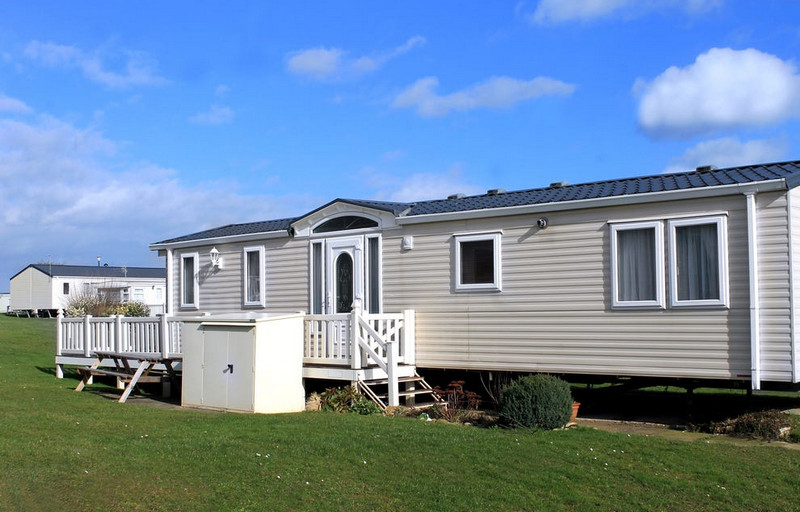
Essential Mobile Home Heating Maintenance Tips
1. Schedule Regular Inspections
An annual inspection is one of the most effective ways to prevent heating issues. Schedule a professional HVAC check before winter starts. A technician can detect minor problems early, inspect electrical components, and ensure the system is running safely and efficiently.
2. Replace or Clean Filters Frequently
Dirty filters restrict airflow and make your heating system work harder. Replace or clean filters every one to three months, depending on usage. This simple step improves air quality, enhances efficiency, and reduces strain on your system.
3. Check Thermostat Settings
A properly calibrated thermostat helps maintain consistent temperatures and prevents energy waste. Consider upgrading to a programmable thermostat to automatically adjust temperatures throughout the day for maximum comfort and savings.
4. Seal Air Leaks Around Doors and Windows
Air leaks can make your heater work overtime. Use caulking or weatherstripping to seal gaps around windows, doors, and vents. Preventing heat loss can lower your energy bills and keep your mobile home warmer for longer periods.
Improving Efficiency and Comfort
5. Insulate Ductwork
Poorly insulated ductwork can lead to heat loss as warm air travels through your home. Wrap ducts with insulation to maintain consistent airflow and temperature. This also reduces energy waste and increases comfort.
6. Clean Vents and Registers
Dust, pet hair, and debris can block vents and reduce airflow. Vacuum and wipe them regularly. Make sure furniture or rugs don’t obstruct vents to allow even heat distribution throughout your home.
7. Check Carbon Monoxide Detectors
If your mobile home uses gas heating, a carbon monoxide (CO) detector is a must. Test your detectors monthly and replace batteries at least once a year. A functioning CO detector can save lives by alerting you to dangerous leaks.
8. Maintain Outdoor HVAC Units
For homes using heat pumps or outdoor units, keep the surrounding area clear. Remove leaves, snow, and debris to ensure proper airflow. Restricted airflow forces your system to work harder, reducing its efficiency and lifespan.
Extra Mobile Home Heating Maintenance Tips
9. Monitor Energy Bills
Sudden spikes in your energy bill may indicate an issue with your heating system. Regularly check your usage patterns and address any unusual changes immediately to prevent expensive repairs.
10. Add Skirting Insulation
Insulating the skirting around your mobile home prevents cold air from circulating beneath it. This not only keeps your floors warmer but also helps your heating system maintain consistent indoor temperatures.
11. Use Ceiling Fans Wisely
Switch your ceiling fans to rotate clockwise at a low speed during winter. This pushes warm air that rises to the ceiling back down into your living space, reducing the strain on your heater.
12. Plan for Power Outages
Winter storms can cause power outages, leaving your heating system unusable. Have a backup heating plan — such as a portable generator, propane heater, or extra blankets — to stay safe and warm in emergencies.
13. Schedule Professional Maintenance
Even if you perform routine upkeep, scheduling a professional tune-up once a year ensures everything is working correctly. Technicians can inspect belts, lubricate motors, and check gas connections safely and efficiently.
14. Keep Heating Vents Unblocked
Never close vents to “save energy.” Doing so can cause air pressure imbalances and reduce system efficiency. Keep all vents open and unobstructed for optimal performance.
15. Maintain Proper Humidity Levels
Winter air is often dry, which can affect comfort and health. Use a humidifier to maintain indoor humidity levels between 30% and 50%. This helps your home feel warmer without overusing your heating system.
Frequently Asked Questions
1. How often should I service my mobile home’s heating system?
At least once a year, ideally before the start of winter.
2. Why is my mobile home colder than a traditional house?
Mobile homes have less insulation, so sealing air leaks and improving skirting insulation can help retain heat.
3. How often should I change my furnace filters?
Every 1–3 months, depending on usage and the type of filter.
4. Can ceiling fans really help with heating?
Yes, when reversed to rotate clockwise, ceiling fans help redistribute warm air trapped near the ceiling.
5. Should I insulate under my mobile home?
Yes, adding insulation under your mobile home reduces heat loss and helps lower energy costs.
6. What temperature should I set my thermostat to in winter?
Between 68°F and 72°F when you’re home and lower it slightly when you’re away to save energy.
7. How do I know if my ducts are leaking?
Uneven heating or higher energy bills are signs of duct leaks. Have them inspected and sealed by a professional.
8. Are portable heaters safe for mobile homes?
Yes, as long as they are used properly and kept away from flammable materials. Choose models with automatic shut-off features.
9. Why are my energy bills so high in winter?
Possible causes include dirty filters, air leaks, poor insulation, or inefficient heating equipment.
10. When should I replace my mobile home heating system?
If it’s over 15 years old or frequently needs repairs, it may be time for an upgrade.
Final Thoughts
Keeping your heating system in good condition isn’t just about staying warm — it’s about efficiency, safety, and cost savings. Following these mobile home heating maintenance tips will help you prevent breakdowns, lower energy costs, and extend the lifespan of your system.
From replacing filters to sealing leaks and scheduling professional checkups, small steps can make a big difference. With regular maintenance and smart heating habits, you can enjoy a cozy, worry-free winter in your mobile home.