
Mobile homes, or manufactured homes, provide a cost-effective and flexible living option for many families across the country. However, unlike traditional houses built on permanent foundations, mobile homes sit on piers or slabs and require additional support to stay stable during strong winds or storms. That’s where mobile home anchors come in.
Anchoring is essential for keeping your mobile home secure, reducing damage risk, and maintaining structural integrity. Without proper anchoring, high winds could shift, tilt, or even overturn a mobile home. Let’s explore why anchors are vital, the different types available, and how to ensure your home remains safe year-round.
Why Anchoring Your Mobile Home Is Essential
When a windstorm hits, an unanchored or poorly anchored mobile home can become dangerously unstable. Properly installed mobile home anchors prevent the home from lifting, sliding, or overturning during extreme weather events. Beyond safety, anchoring provides several other important benefits:
- Safety: Anchors prevent homes from being dislodged during storms, minimizing injury and property damage.
- Insurance Compliance: Many insurance companies require proof of proper anchoring before providing coverage.
- Property Value: A securely anchored mobile home holds greater resale value and attracts more buyers.
- Peace of Mind: Knowing your home is protected from wind damage allows you to rest easy during severe weather.
In short, anchoring is not optional—it’s a crucial safety requirement for every mobile homeowner.
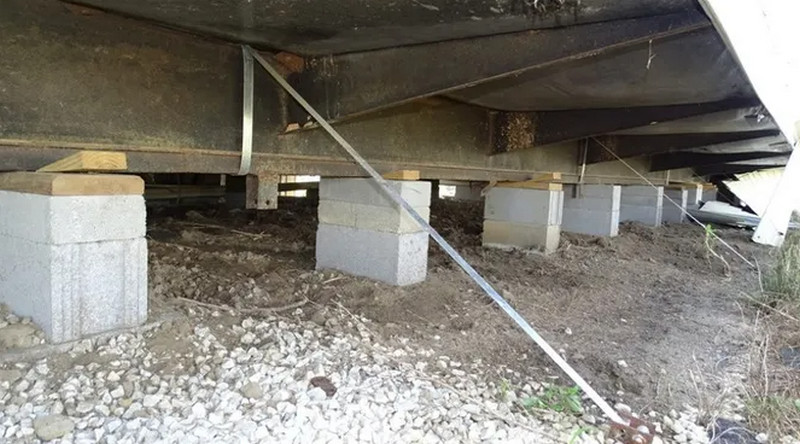
Types of Mobile Home Anchors
Not all anchors are the same. The best type depends on your soil conditions, location, and the design of your home. Below are the most common types of mobile home anchors used today:
- Earth Anchors: The most widely used option, these steel rods are screwed into the ground with a helical or fluke-shaped end. They work well in most soil types except for rocky terrain.
- Concrete Anchors: Ideal for homes on concrete slabs, these anchors attach directly to the foundation for added stability.
- Helical Anchors: These screw-shaped piles are designed for areas with poor soil conditions and provide deep, strong support.
- Rock Anchors: For homes on solid rock, rock anchors are drilled into the ground and bolted in place for maximum security.
Before choosing, always check your local regulations or consult a professional installer. The right anchor type ensures your home meets safety standards and performs well under stress.
Understanding Wind Zones and Anchor Requirements
The United States is divided into different wind zones that determine how homes must be anchored. These zones—categorized as Zone I, Zone II, and Zone III—are based on historical wind speeds. Homes in coastal or hurricane-prone regions must use stronger anchoring systems than those in low-wind areas.
Here’s what to keep in mind about wind zones:
- Number of Anchors: Higher wind zones require more anchors for stability.
- Anchor Strength: Each anchor must meet a specific holding power (measured in pounds of resistance).
- Proper Tie-Downs: Tie-down straps must be tensioned correctly to connect anchors to the home’s steel frame.
Local building departments can provide information about your wind zone and help determine the correct anchor requirements for your mobile home.
DIY vs. Professional Installation
Installing mobile home anchors might seem like a simple task, but it involves precise techniques and safety regulations. While some experienced homeowners attempt DIY installations, hiring a professional is strongly recommended.
Professionals ensure that:
- The correct anchor type is selected for your soil and wind zone.
- The anchors are installed according to manufacturer and code requirements.
- Straps and tie-downs are properly tensioned and secured.
- The system passes local inspection standards.
If you choose to do it yourself, make sure to:
- Get the proper permits from your local building department.
- Research your home’s requirements and follow installation instructions carefully.
- Use only high-quality, corrosion-resistant anchors and straps.
- Inspect your work thoroughly or have a professional review it before finalizing.
Maintaining Your Mobile Home Anchors
Installing anchors is only half the job—regular maintenance is just as important. Over time, weather, soil movement, and settling can affect the stability of your home. Here are key maintenance steps to follow:
- Inspect Regularly: Check for signs of rust, corrosion, or loose connections every few months.
- Tighten Tie-Downs: Straps can loosen over time; make sure they maintain proper tension.
- Replace Damaged Parts: Don’t delay replacing rusted or broken anchors, bolts, or straps.
- After-Storm Check: Inspect your anchoring system after any major storm to identify stress or movement.
- Professional Inspections: Schedule an expert inspection annually if you live in high-wind or hurricane-prone areas.
Additional Considerations When Using Mobile Home Anchors
There are a few more important points to consider when planning your anchoring system:
- Age of Your Home: Older mobile homes may require updated anchor systems to meet modern safety codes.
- Relocation: If you move your mobile home, the old anchors must be removed and reinstalled at the new site.
- Skirting and Accessibility: You may need to remove skirting panels to inspect or adjust anchors; always reinstall them securely afterward.
Proper anchoring doesn’t just protect your home—it protects your family and investment. Keeping your system in top condition ensures that your mobile home remains secure for years to come.
Frequently Asked Questions
1. What are mobile home anchors used for?
They secure mobile homes to the ground, preventing movement or damage during high winds.
2. How many anchors does my mobile home need?
The number depends on your wind zone, home size, and local regulations.
3. Can I install mobile home anchors myself?
It’s possible, but professional installation ensures compliance with safety standards.
4. How often should I inspect my anchors?
At least twice a year, and always after major storms.
5. Do mobile home anchors rust over time?
Yes, but using galvanized or stainless steel anchors reduces corrosion.
6. Are anchors required for all mobile homes?
Yes, most states require anchoring for all manufactured homes.
7. What happens if I don’t anchor my home properly?
Your home may shift, tilt, or even overturn during strong winds or storms.
8. Can I reuse old anchors after moving my home?
It’s best to use new anchors, as old ones may have weakened over time.
9. How deep should anchors go into the ground?
Depth varies based on soil type and anchor design but typically ranges from 4 to 6 feet.
10. Who should I contact for anchor inspection or installation?
Contact a licensed mobile home contractor or your local building authority.
Final Thoughts
Properly installed mobile home anchors are essential for the safety, stability, and value of your home. They protect against wind damage, meet insurance requirements, and provide peace of mind. Whether you’re installing new anchors or maintaining existing ones, make sure to follow local codes and manufacturer guidelines.
If you’re unsure where to start, consult a professional installer who specializes in mobile home anchoring. Investing in a strong, reliable anchoring system today ensures your mobile home remains secure for years to come—no matter what the weather brings.
How do I find a mobile home anchor installer in New Jersey
Thanks for connecting with The Mobile Home Dealer. We would suggest doing a Google search for this or call a local mobile home parts store as they will have several referrals they should be able to send your way. Best of luck!
How do I find a mobile home anchor installer in New Jersey
Thanks for connecting with The Mobile Home Dealer. We would suggest doing a Google search for this or call a local mobile home parts store as they will have several referrals they should be able to send your way. Best of luck!