
Welcome to our guide on mobile home carports explained! Whether you own a mobile home or are considering one, protecting your vehicles is crucial. In this article, we explore carports designed specifically for mobile homes, explaining what they are, how they differ from garages, the materials used, and the benefits they offer. Read on to learn how a carport can enhance both your property and daily convenience.
What Are Mobile Home Carports?
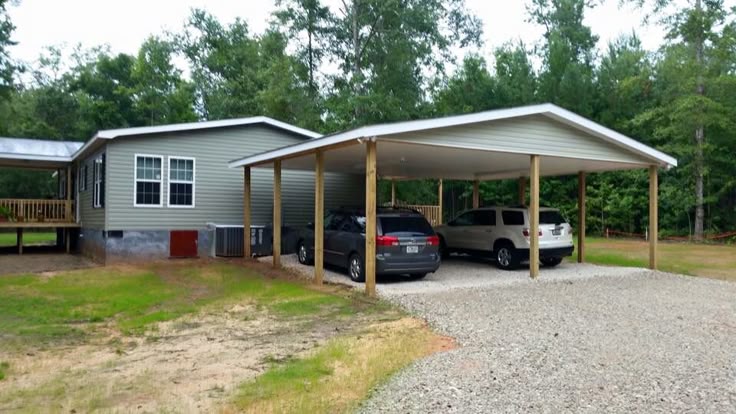
Mobile home carports are open structures designed to provide shelter for vehicles. They typically consist of a roof supported by columns or posts without walls, allowing easy access and ventilation. Unlike garages, which are fully enclosed and feature doors, carports provide a cost-effective and flexible solution to shield your vehicle from rain, sun, snow, and debris.
Carports come in various sizes and can be customized to match the dimensions of your mobile home. From compact cars to multiple vehicles, there’s an option available for every homeowner. Beyond vehicle protection, carports also function as covered outdoor spaces for gatherings or the storage of items like bicycles and garden tools.
Practical Uses Beyond Parking
By offering both protection and versatility, mobile home carports enhance the functionality of your outdoor space. They allow homeowners to maximize convenience while safeguarding valuable assets. Properly designed and installed, these structures provide long-term benefits that go beyond just sheltering vehicles.
Is a Carport and Garage the Same Thing?
Carports and garages both protect vehicles but differ significantly. A carport is an open structure with a roof and posts but lacks walls or doors, offering convenience and airflow. In contrast, garages are fully enclosed, providing added security against theft or vandalism while sheltering vehicles from all weather conditions.
Choosing between a carport and a garage depends on your budget, preferences, and local building codes. Carports are ideal for those seeking an affordable, easy-to-access solution, while garages suit homeowners prioritizing full enclosure and security.
What Materials Are Mobile Home Carports Made Of?
Mobile home carports are available in multiple materials, each offering unique advantages:
Metal Carports: Made of steel or aluminum, they are durable and low-maintenance. Steel offers strength and longevity, while aluminum is lightweight and rust-resistant.
Wooden Carports: Provide a traditional aesthetic that blends with natural surroundings. They require maintenance like staining or painting to prevent rot and insect damage.
Vinyl Carports: Combine affordability with durability, resisting rust, corrosion, fading, and cracking.
Polycarbonate Carports: Feature translucent plastic panels that allow natural light while blocking UV rays, creating an airy yet protected environment.
The choice of material depends on aesthetics, budget, climate, and maintenance preference.
Material Considerations and Maintenance
Selecting the right material ensures your carport lasts longer and meets your functional needs. Transitioning between options allows homeowners to balance cost, durability, and style effectively.
What Benefits Do Carports Offer?
Carports provide several advantages for mobile homeowners. They shield vehicles from rain, snow, hail, and harsh sunlight, preventing paint damage and interior heat buildup. Beyond vehicle protection, carports serve as multipurpose spaces for outdoor gatherings, storage of bikes, tools, or lawn equipment.
Cost-effectiveness is another major benefit. Carports require less labor and material than traditional garages while delivering similar protection. Their flexible designs and placement options further enhance property usability, offering convenience and peace of mind.
Enhancing Outdoor Functionality
With a carport, homeowners enjoy versatility in both daily use and seasonal protection. These structures provide a practical, low-maintenance solution that meets multiple household needs efficiently.
Can I Install My Own Carport?
Many mobile home carports allow DIY installation, ideal for handy homeowners. First, assess your skills and tools. While carports are simpler than garages, basic construction knowledge is essential.
Start by reading manufacturer instructions carefully. Check local building codes for restrictions or required permits. During assembly, enlist help for safety and efficiency. Always wear protective gear such as gloves, goggles, and sturdy footwear.
Even with DIY installation, some homeowners may prefer hiring professionals to ensure proper setup. Following guidelines and safety protocols guarantees a secure, long-lasting carport.
Safety and DIY Tips
Proper installation and adherence to manufacturer instructions are critical. Transitioning from planning to execution with safety in mind ensures the carport functions effectively and lasts longer.
What Are Different Types of Mobile Home Carports?
Several types of carports cater to different needs:
Attached Carports: Connected directly to your mobile home, offering convenient covered parking outside your door.
Freestanding Carports: Standalone structures that can be placed anywhere on your property and easily relocated.
Fully Enclosed Carports: Include walls and doors, offering maximum protection and security.
Hybrid Carports: Combine elements of garages and traditional carports for versatility.
Regardless of type, all carports provide shelter from rain, snow, hail, and sun damage. Consider budget, space, and personal preferences when choosing the right option.
Choosing the Best Type
Evaluate the number of vehicles, available space, and security requirements. By understanding the differences, you can select a carport that fits both your lifestyle and property layout.
FAQ
1. What are mobile home carports explained?
Mobile home carports are open structures with a roof and posts that protect vehicles while providing easy access.
2. Are carports cheaper than garages?
Yes, carports typically cost less due to reduced materials and simpler construction.
3. Can I build a carport myself?
Yes, many carports are DIY-friendly, but following instructions and safety precautions is essential.
4. Do carports require permits?
Local building codes may require permits or restrict placement, so always check before installing.
5. What materials are best for durability?
Metal, vinyl, and polycarbonate offer long-lasting protection with minimal maintenance.
6. Can carports provide multipurpose use?
Yes, they can serve as outdoor entertainment areas or storage for bikes and garden tools.
7. Are carports weather-resistant?
Properly constructed carports protect vehicles from rain, sun, snow, and hail.
8. Can carports increase property value?
Yes, a well-built carport adds functional space and convenience, which may appeal to buyers.
9. Are fully enclosed carports secure?
Enclosed models with walls and doors provide additional security against theft and vandalism.
10. Where can I find mobile home carports?
Check listings and resources at The Mobile Home Dealer for available options.
Final Thoughts
Mobile home carports explained reveal a practical, cost-effective solution for vehicle protection. Offering versatility, easy installation, and multipurpose use, carports enhance both safety and convenience. By selecting the right type, material, and design, homeowners can enjoy a durable, functional outdoor space that complements their mobile home lifestyle.
See Also:
- What Do Buyers Care Most About In Florida Mobile Homes?
- Lot Rents for Mobile Homes in Florida: What You Need to Know
- 5 Affordable Tips on Extending the Life of Your Mobile Home on $100
- 5 Ways to Invest in a Mobile Home for as Low as $5,000
- Benefits of Living in a Mobile Home Retirement Community in Florida