
Mobile homes provide an affordable housing option for many individuals and families in Florida. However, one of the biggest concerns for owners is mobile home depreciation. Unlike traditional site-built houses that often rise in value, mobile homes can lose value over time. This reduction in value can be influenced by age, condition, market demand, land ownership, and maintenance practices. Fortunately, there are practical steps homeowners can take to slow depreciation and protect their investment. By focusing on maintenance, upgrades, and smart planning, it is possible to maintain or even improve the value of a mobile home.
What Causes Mobile Home Depreciation?
Depreciation refers to the gradual decrease in an asset’s value over time. In the context of mobile homes, this process can happen more quickly than with traditional real estate. Several factors commonly influence how quickly a mobile home depreciates.
- Location and park conditions
- The age and physical condition of the home
- Market demand and economy
- Quality of construction and materials used
One major reason mobile homes face faster depreciation is due to the way ownership is structured. In many cases, the homeowner owns the home but rents the land beneath it. Traditional homes benefit from the increasing value of the land, whereas mobile homes do not always have this advantage.
Regular Maintenance to Protect Value
One of the most effective ways to slow mobile home depreciation is through consistent maintenance. Homes that are well cared for hold their value longer and appeal to future buyers.
- Inspect the roof regularly to prevent leaks and water damage
- Maintain HVAC systems for efficiency and longevity
- Check plumbing and electrical systems to avoid costly repairs later
Small upkeep tasks can prevent major repair bills in the long run. Staying proactive helps maintain both structural integrity and visual appeal.
Another helpful method is keeping detailed records. Tracking improvements, repairs, and upgrades can demonstrate responsible ownership and support a higher resale price.
Improving Curb Appeal
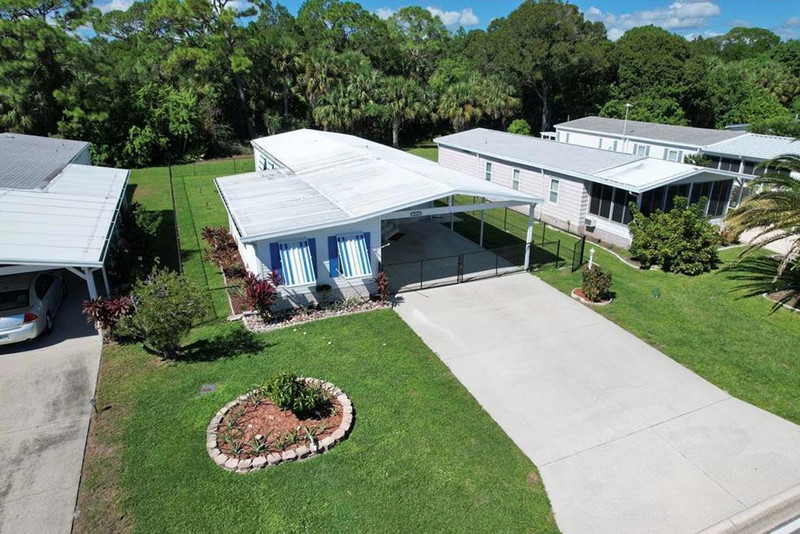
First impressions matter. A well-maintained exterior can boost perceived value and slow mobile home depreciation. Even small enhancements can change how others view the property.
- Maintain landscaping, trim shrubs, and plant flowers
- Apply fresh exterior paint or replace worn siding
- Add outdoor features like steps, porches, or decks
Homes with attractive exteriors not only look more welcoming but also feel more comparable to traditional site-built houses. This can positively influence resale value and buyer interest.
Interior Renovations and Modern Updates
Upgrading interior spaces is another effective way to protect your home’s value. Focusing on high-impact areas can make the home feel modern and comfortable.
- Replace old flooring with laminate, vinyl plank, or tile
- Paint walls in neutral, modern colors
- Update kitchen countertops, cabinets, or fixtures
- Refresh bathrooms with new lighting or hardware
Small, thoughtful improvements can create a more traditional home atmosphere—something many buyers look for when considering mobile homes.
Energy Efficiency Upgrades
Energy efficiency has become an important selling point. Making your mobile home more energy efficient can increase appeal while also lowering monthly utility costs.
- Add insulation to floors, walls, and ceilings
- Install double-pane or energy-efficient windows
- Consider solar panels for long-term savings
These upgrades help your mobile home remain competitive in the housing market, which can slow depreciation.
Choose the Right Mobile Home Community
If your mobile home is located in a mobile home park, the reputation and conditions of the community will influence the home’s value. Well-kept parks with amenities and responsive management typically support higher resale values.
- Research park management and community reviews
- Look for parks with maintenance, security, and amenities
- Participate in community meetings and activities
Living in a desirable community improves quality of life and helps maintain home value.
Frequently Asked Questions
Does every mobile home experience depreciation?
Most mobile homes depreciate, but proper maintenance and upgrades can slow the rate significantly.
Does owning the land help reduce mobile home depreciation?
Yes. Homes placed on owned land tend to hold value better than those in rental parks.
How can I estimate my mobile home’s value?
Check recent sales of similar homes in your area and consider having an appraisal done.
Do cosmetic upgrades help slow depreciation?
Yes. Curb appeal and interior improvements can positively influence resale value.
Is replacing the roof a good investment?
Absolutely. A new or well-maintained roof protects the home and preserves value.
Do mobile homes ever appreciate in value?
Some do, especially newer models on owned land in desirable areas.
Can landscaping affect mobile home value?
Yes. Clean, appealing landscaping can significantly improve perceived value.
Should I keep records of upgrades?
Yes. Records prove responsible ownership and support higher resale pricing.
Are energy-efficient upgrades worth the cost?
Often they are, as they lower utility bills and attract eco-conscious buyers.
Can insurance help protect against depreciation?
Insurance does not prevent depreciation, but it protects you from unexpected repair costs.
Final Thoughts
Mobile home depreciation is a real concern, but it is not unavoidable. With consistent care, thoughtful upgrades, and smart financial decisions, homeowners can slow the depreciation process and maintain long-term value. Taking proactive steps—such as improving curb appeal, enhancing energy efficiency, and staying informed about the local housing market—can help ensure your mobile home remains both enjoyable to live in and a worthwhile investment.
See Also:
- How to Rent a Mobile Home in Florida: What Tenants and Landlords Need to Know
- Mobile Home Amenities to Look For in Florida: What Adds Value and Comfort?
- Can You Upgrade a Mobile Home to Feel Like a Traditional House?
- The Future of Mobile Homes in Florida
- How to Avoid Common Pitfalls When Selling Your Mobile Home in Florida