
Buying a mobile home fixer-upper in Florida can be an appealing opportunity for buyers searching for affordability, investment potential, or a hands-on renovation project. Because Florida has a large number of mobile home communities and year-round demand for affordable housing, many properties become available that need varying levels of work. Learning how to evaluate, repair, and eventually profit from a mobile home fixer-upper can help first-time buyers, investors, and DIY renovators enter the housing market with lower upfront costs.
A mobile home fixer-upper is typically priced significantly lower than comparable move-in ready units. This lower cost is often what makes these homes attractive—especially for buyers who are willing to invest time and effort in repairs. However, it is essential to carefully assess condition, repair needs, and long-term value before making a purchase. By planning strategically and focusing on cost-effective improvements, it is possible to transform the property into a comfortable home or a profitable investment.
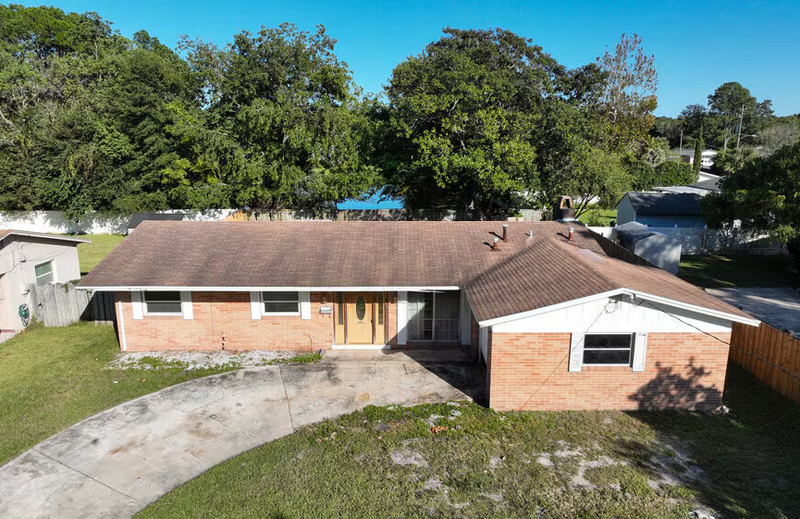
Where to Find Mobile Home Fixer-Uppers in Florida
There are several reliable ways to find mobile home fixer-upper opportunities across the state. Because Florida has a strong retirement population and many long-standing manufactured home communities, availability is often higher compared to other regions.
- Online listing platforms such as Zillow, Realtor.com, MHVillage, and Craigslist allow buyers to search specifically for mobile homes needing renovations.
- For Sale By Owner (FSBO) listings can provide lower purchase prices since there are no agent commissions involved.
- Mobile home parks may list homes that require updates. Contacting community managers directly often reveals options not advertised online.
- Foreclosure or bank-owned properties may appear on auction websites such as HUD Home Store or Auction.com at significantly discounted prices.
- Driving through mobile home communities and checking bulletin boards or local classifieds can reveal homes that sellers prefer to market quietly.
Because availability can change quickly, buyers benefit from regular searching, networking with park managers, and being prepared to act when a promising property becomes available.
How to Evaluate the Condition of a Mobile Home Fixer-Upper
Before purchasing a mobile home fixer-upper, it is essential to evaluate its condition thoroughly. Some repairs are relatively affordable, while others could exceed the home’s market value. Understanding the difference helps ensure a profitable outcome.
- Check the foundation or support system for stability. Soft flooring, gaps, or sagging can indicate structural issues.
- Inspect the roof and ceiling for leaks or water damage. Roof repairs are common but should be factored into renovation costs.
- Review plumbing and electrical systems. Outdated wiring or corroded plumbing may require professional updates.
- Assess window and door sealing for energy efficiency and protection from moisture.
- Evaluate whether improvements will be primarily cosmetic or structural.
If possible, hiring a professional inspector who specializes in manufactured homes can provide clarity on required repairs and estimated costs. This step can also support negotiation.
Planning and Budgeting for Renovations
Setting a realistic renovation plan is a critical step when working with a mobile home fixer-upper. Some repairs directly increase value, while others simply restore basic functionality. Prioritizing improvements helps avoid overspending.
- Begin with safety-related repairs such as electrical, plumbing, and structural stabilization.
- Consider energy-efficient upgrades such as new windows, insulation improvements, or modern HVAC systems.
- Focus on cost-effective cosmetic updates such as paint, light fixtures, vinyl flooring, and updated cabinetry.
- Enhance curb appeal with landscaping, exterior paint, new skirting, or decorative features such as porch railings.
- Track expenses carefully to avoid exceeding the home’s potential resale or rental value.
In many cases, completing smaller projects yourself—such as painting, landscaping, and minor interior updates—can significantly reduce overall renovation costs while increasing the home’s appeal.
Turning Your Renovated Mobile Home into Income or Long-Term Value
Once renovations are complete, the next step is deciding whether to live in the home, sell it, or rent it. Florida’s strong demand for affordable housing means there are opportunities for all three options.
- Reselling (flipping) can generate profit if the total investment remains below market value.
- Renting the home can produce consistent monthly income, especially in high-demand metropolitan or coastal areas.
- Living in the renovated home allows buyers to enjoy low-cost homeownership and avoid high housing costs elsewhere.
For rental or resale purposes, choosing the right mobile home park or location is extremely important. Communities with well-maintained amenities and strong management often support higher property values and rental demand.
FAQ
How much does a typical mobile home fixer-upper cost?
Prices vary widely, but many fixer-uppers in Florida are priced lower than comparable move-in ready homes.
Do mobile homes increase in value after renovation?
They can, especially when located in desirable communities and updated with quality improvements.
Should I hire a professional inspector?
Yes. An inspector can identify structural or system issues that may not be visible.
Are older mobile homes harder to renovate?
Homes built before 1976 may require updates to meet modern safety standards, making renovations more involved.
Can I do the renovations myself?
Many cosmetic upgrades can be DIY, but licensed professionals should handle electrical and plumbing work.
How long does a fixer-upper renovation typically take?
The timeline depends on project size, but most renovations take anywhere from a few weeks to several months.
What upgrades offer the highest return on investment?
Roof repairs, flooring replacements, kitchen updates, and curb appeal improvements tend to offer strong returns.
Can I rent out my renovated mobile home?
Yes, but check park policies if the home is located in a mobile home community.
Are fixer-uppers a good option for first-time buyers?
Yes, if buyers budget carefully and understand the scope of repairs required.
Does location impact the value of a renovated mobile home?
Yes. Communities with strong demand or added amenities generally support higher values.
Final Thoughts
Purchasing a mobile home fixer-upper in Florida can provide an affordable path to homeownership or real estate investment. By researching the market, evaluating renovation needs, and focusing on upgrades that boost long-term value, buyers can transform a low-cost property into a comfortable home or profitable asset. With careful planning and thoughtful improvements, a mobile home fixer-upper can offer both financial and personal rewards.
See Also:
- How to Negotiate the Best Price for a Mobile Home in Florida
- Top 5 Florida Cities to Buy Affordable Mobile Homes in 2025
- Mobile Home Depreciation: How to Maintain Value Over Time in Florida
- How to Rent a Mobile Home in Florida: What Tenants and Landlords Need to Know
- Mobile Home Amenities to Look For in Florida: What Adds Value and Comfort?