
Are you experiencing issues with your mobile home furnace? You’re not alone! Mobile home furnaces can be tricky to maintain, but with the right guidance, you can keep them running efficiently. This mobile home furnace repair guide covers common problems, troubleshooting steps, and tips for when to replace your unit, ensuring your home stays warm and safe.
Getting to Know Your Mobile Home Furnace
Before attempting any repairs, it’s crucial to understand how your furnace operates. Mobile home furnaces are designed specifically for manufactured homes and differ from standard residential systems. Most are installed on their sides or upside down, which can make access to certain parts more challenging. Additionally, ductwork is usually smaller in diameter, so improper airflow may cause overheating or carbon monoxide buildup.
Furnaces may use propane, natural gas, or electricity, and knowing your fuel type helps with troubleshooting. Understanding the age and specifications of your furnace also ensures you select the correct replacement parts when needed. With this foundation, you can confidently approach common repair tasks.
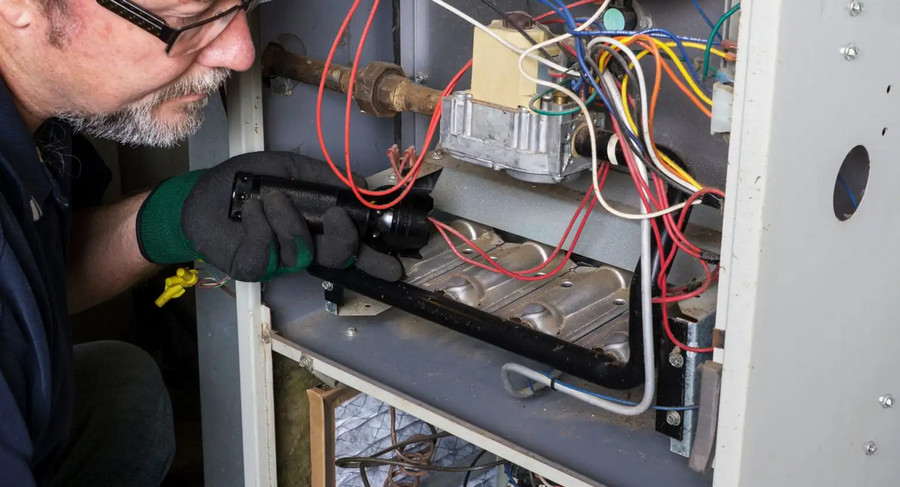
Types of Mobile Home Furnaces
Mobile home furnaces come in several types, each with pros and cons:
- Electric Furnace: Uses coils to generate heat. Affordable upfront but can be expensive to operate.
- Gas Furnace: Runs on natural or propane gas. More energy-efficient, lowering utility bills.
- Oil Furnace: Burns heating oil for heat. Useful where natural gas isn’t available.
- Wood Stove: Uses firewood or pellets. Eco-friendly and cost-effective, but requires regular maintenance.
Choosing the right furnace depends on fuel availability, climate, and the size of your mobile home. Transitioning between types may improve efficiency and comfort significantly.
Common Problems Experienced by Mobile Home Furnaces
Mobile home furnaces, like any heating system, can experience issues. Identifying problems early saves time and money. Common problems include:
- Malfunctioning Thermostat: Incorrect temperature readings or failure to turn on/off may require repair or replacement.
- Clogged Air Filters: Dirty filters reduce efficiency and increase energy costs.
- Blower Motor Issues: Strange noises like rattling or banging may indicate motor or burner problems.
- Pilot light malfunctions, blocked ductwork, or frequent cycling due to wiring issues.
Regular maintenance prevents these problems and keeps your furnace operating safely year-round.
Signs Your Mobile Home Furnace Needs Repair
Knowing when your furnace requires repair is crucial:
- Unusual noises, such as banging or rattling.
- Rising energy bills without reason.
- Uneven heating or hot/cold spots around vents.
- Smelling gas or burning odors; evacuate immediately if detected.
Early detection prevents costly repairs and maintains household comfort during winter.
When to Replace Your Mobile Home Furnace
Furnaces don’t last forever. Consider replacement if you notice:
- Age: Most last 15–20 years. Older units may need replacement.
- Frequent Repairs: Constant issues suggest underlying problems beyond minor fixes.
- High Energy Bills: Aging units lose efficiency and use more energy.
- Thermostat Struggles: Constant adjustments with uneven heating indicate inefficiency.
Investing in a new furnace improves efficiency and reduces long-term repair costs.
Steps in Troubleshooting Mobile Home Furnace
Troubleshooting can help identify problems before calling a professional:
- Check thermostat settings and ensure power supply to the unit.
- Inspect and replace clogged air filters.
- Check gas valves and burners for damage or blockages.
- Ensure ventilation pipes are clear for proper airflow.
Always follow safety precautions, like turning off fuel sources before repairs, to avoid accidents.
How to Repair Your Mobile Home Furnace
Common repair tasks include:
- Clogged Air Filters: Replace filters according to manufacturer instructions.
- Malfunctioning Thermostat: Set correctly and replace batteries if needed.
- Ignition Problems: Check pilot light or igniter assembly.
- Blower Motor Issues: Inspect capacitors and motor function.
- Gas Valve Issues: Consult professionals for safety with gas components.
Always consult professional help if you’re unsure to avoid further damage or hazards.
DIY vs Hiring a Professional
Consider these factors:
– Experience: DIY is feasible for minor repairs if confident, but complex issues require professional expertise.
– Safety: Gas and electrical components can be dangerous without training.
– Costs: Professionals may have access to discounted parts and prevent expensive mistakes.
Balancing safety, expertise, and cost ensures the best approach for your furnace repair.
FAQ
1. How often should I maintain my mobile home furnace?
Annually, or before winter, to ensure safe and efficient operation.
2. Can I clean the furnace myself?
Yes, for simple tasks like filter replacement; complex repairs should involve professionals.
3. How do I know if my furnace is gas or electric?
Check the unit label or owner’s manual for fuel type information.
4. Why is my furnace making loud noises?
Likely causes include a failing blower motor, dirty burners, or loose components.
5. What should I do if I smell gas?
Evacuate immediately and contact your gas provider or emergency services.
6. Can old furnaces be repaired?
Yes, but frequent repairs may make replacement more cost-effective.
7. How long does a furnace last?
Typically 15–20 years depending on use and maintenance.
8. Can clogged filters damage my furnace?
Yes, they reduce airflow, increase energy use, and can overheat the unit.
9. Is it safe to repair gas valves myself?
No, always hire a professional for gas-related repairs.
10. Where can I find a mobile home furnace for replacement?
Check suppliers online or visit The Mobile Home Dealer for guidance.
Bottom Line
Maintaining your mobile home furnace is essential for safety, comfort, and energy efficiency. This mobile home furnace repair guide provides practical steps for troubleshooting and repairing common issues. Regular maintenance, awareness of warning signs, and knowing when to hire a professional can save you money and prevent emergencies. By following these tips, you’ll enjoy a warm and reliable home throughout the cold months.