In the conversation about affordable housing, the phrase mobile home park vs trailer park often comes up. Many people use these two terms as if they mean the same thing, but there are key differences. Understanding how they differ helps homebuyers make smarter decisions and avoid misconceptions. This guide explores the unique traits, evolution, and community impact of both living setups to help you choose what fits your lifestyle best.
Understanding Mobile Home Parks
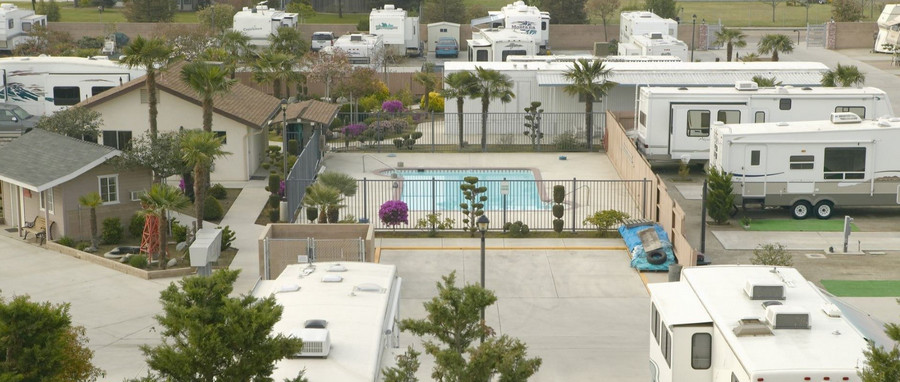
Mobile home parks are well-organized communities designed to host manufactured homes. These homes are built off-site, transported, and installed permanently within the park. Although they are movable in theory, they are usually anchored to the ground and connected to utilities, creating a stable living environment.
Regulations and Quality Standards
Mobile home parks follow state and local regulations that govern safety and construction standards. Modern manufactured homes are no longer simple, lightweight structures—they now rival traditional homes in design and durability. Thanks to tighter building codes and better materials, these homes can provide comfort and long-term reliability.
Another important aspect is land ownership. In most cases, residents own their mobile homes but lease the lot beneath them. This arrangement creates stability and flexibility at once, letting homeowners build equity while paying much lower land costs. Many mobile home parks also feature shared amenities such as clubhouses, pools, or recreational spaces that encourage community life.
Defining Trailer Parks
To understand the mobile home park vs trailer park difference, it helps to know the historical background of trailer parks. The term “trailer park” originated in the early days of mobile housing, when families traveled with small towable trailers that could be moved easily. Over time, these communities developed a reputation that sometimes carried unfair stereotypes.
Perception and Lifestyle Differences
In the past, trailer parks were seen as temporary or low-income communities. This view, however, no longer reflects the reality of today’s housing options. Modern trailer parks often feature upgraded units, better infrastructure, and improved management standards. Still, some trailer parks remain more transient than mobile home parks, with residents moving their homes occasionally instead of settling long term.
Ownership models can also vary. Some residents own their homes and rent the land, while others lease both. This flexibility appeals to individuals who value mobility or want to relocate for work or personal reasons. It’s crucial to review the park’s terms before signing any agreement, especially if frequent relocation is part of your plan.
How the Industry Has Evolved
The housing industry has moved far beyond outdated images of trailer living. Today, mobile homes are built with advanced materials, stylish designs, and energy-efficient systems. The emphasis has shifted from temporary shelter to sustainable, comfortable, and affordable living.
Community Growth and Reforms
Mobile home parks now attract diverse residents, from retirees to young professionals. Many states have enacted regulations to enhance safety, improve infrastructure, and ensure fair treatment of tenants. These reforms have helped boost the credibility of manufactured home communities.
Affordability is one of the strongest advantages of both mobile home and trailer parks. For people who cannot or prefer not to invest in traditional real estate, these communities offer a stable and cost-effective option. Additionally, the smaller environmental footprint and improved energy efficiency of modern homes make them appealing to eco-conscious buyers.
Mobile Home Park vs Trailer Park: Which Is Better?
Choosing between a mobile home park and a trailer park depends on your lifestyle and long-term goals. If you prefer stability, strong community ties, and a home that feels permanent, a mobile home park may be best. However, if flexibility and mobility are your priorities, a trailer park setup might better suit your needs.
It’s also essential to visit parks in person, talk to residents, and evaluate the environment. Factors such as maintenance, management quality, and amenities should influence your decision. Whether you choose one or the other, the key is finding a safe, clean, and well-managed community.
Working With a Professional Agent
To navigate the mobile home market effectively, consider working with a licensed professional such as The Mobile Home Dealer. A knowledgeable agent can explain your options, guide you through park rules, and connect you with reputable communities that match your lifestyle and budget.
Frequently Asked Questions
1. What’s the main difference between a mobile home park and a trailer park?
Mobile home parks are permanent communities for manufactured homes, while trailer parks are often more temporary or mobile in nature.
2. Are trailer parks cheaper than mobile home parks?
They can be, but the difference depends on location, amenities, and management quality.
3. Can I move my home from one park to another?
Yes, but moving a mobile home requires permits, transport services, and new utility setups.
4. Do mobile home parks have strict rules?
Most do, especially regarding maintenance, noise, and safety standards, to maintain a pleasant environment.
5. Is financing available for homes in these parks?
Yes, several lenders offer mobile home financing tailored for leased land or park ownership setups.
6. Are modern mobile homes energy-efficient?
Absolutely. Many are built with energy-saving insulation, efficient windows, and eco-friendly materials.
7. Can I build add-ons like decks or porches?
Usually yes, but you must comply with park regulations and local codes before building.
8. Are mobile home parks safe?
Safety depends on management and neighborhood conditions, but most reputable parks maintain strict security policies.
9. Who manages trailer parks?
They are managed either by private owners or companies that maintain park facilities and enforce community rules.
10. How do I find a reliable park to live in?
Start by contacting trusted experts like The Mobile Home Dealer, reading reviews, and visiting parks before deciding.
Final Thoughts
In summary, the mobile home park vs trailer park comparison goes beyond terminology—it reflects how housing has evolved to meet modern needs. Mobile home parks emphasize permanence and community, while trailer parks highlight flexibility and mobility. Both offer affordable paths to homeownership and can fit different lifestyles.
As the manufactured housing industry continues to modernize, the outdated stereotypes around trailer parks are fading. What matters most today is the quality of management, safety, and sense of belonging each community provides. Whether you choose a mobile home park or a trailer park, both can offer comfort, affordability, and the freedom to live life your way.