
Owning a mobile home means keeping your roof in top condition. The roof protects your home from the elements and ensures your family stays safe and comfortable. Over time, even the most durable roofs will show signs of wear. This **mobile home roof repair guide** covers everything you need to know about maintaining or replacing your mobile home’s roof. From roofing materials to step-by-step repair instructions, we provide the essential information to keep your home dry and secure.
When to Repair or Replace Your Mobile Home Roof
A mobile home roof faces constant exposure to weather, leading to wear over time. Ignoring minor issues can result in major problems later.
Consider the age of your roof first. Most roofing materials last between 20-30 years. If your roof approaches the end of its lifespan, replacement may be necessary.
Next, assess the damage. Small leaks or missing shingles can often be repaired, while extensive damage may require a full roof replacement.
Cost is another factor. Frequent repairs can accumulate expenses, making a complete replacement a smarter investment in the long run.
Regular inspections by professionals help catch potential issues early, preventing costly damage and extending the roof’s lifespan.
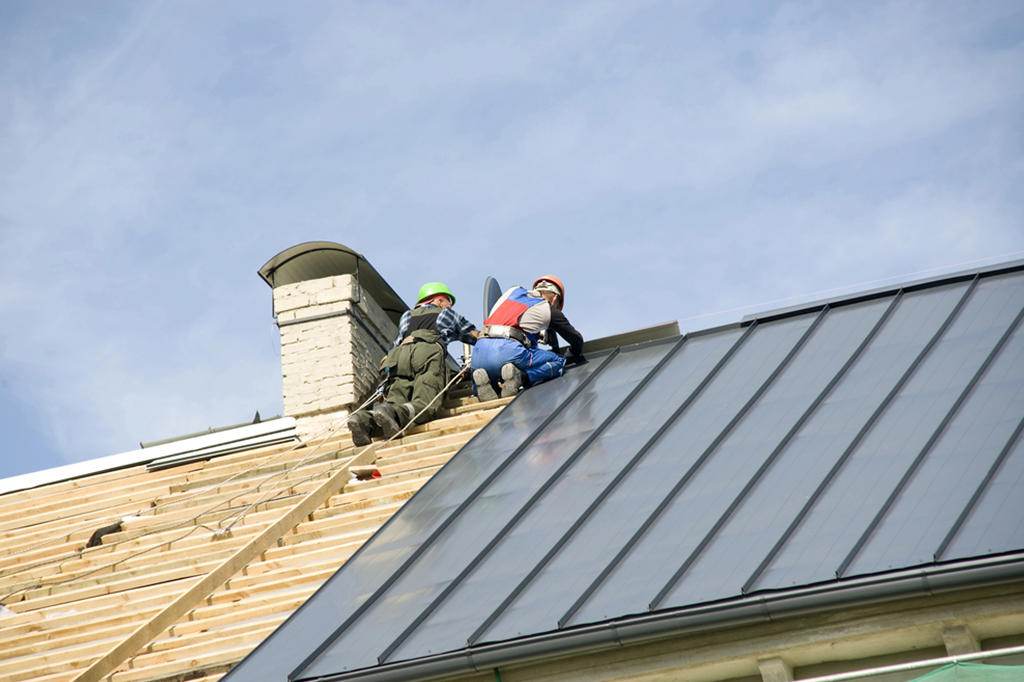
Types of Mobile Home Roofing
Common roofing materials include metal, asphalt shingles, and rubber membranes.
- Metal roofs can last up to 50 years with proper care. Options like standing seam and corrugated metal are durable and energy-efficient by reflecting sunlight.
- Asphalt shingle roofs are affordable and easy to install but may deteriorate faster under extreme weather conditions.
- Rubber membrane roofing suits flat or low-sloped roofs. Lightweight and waterproof, it is practical though less visually appealing.
Costs vary by material, roof size, and complexity. Metal roofs are more expensive initially but usually require less maintenance than asphalt shingles or rubber membranes.
Impact on Ceilings During Roof Repairs
Minor roof repairs typically do not affect interior ceilings. However, full roof replacements may require temporary removal of ceilings for proper installation.
This process can disrupt your home temporarily but also offers an opportunity to address insulation or ventilation issues. Overall, ceiling impacts are usually minimal and manageable.
Understanding a Mobile Home Roof Over
A roof over adds a new layer on top of the existing roof, offering extra insulation, protection, and improved appearance. Materials can include metal panels, asphalt shingles, or rubber membranes.
A roof over enhances durability, boosts property value, and reduces energy costs by improving insulation. This method is a practical solution for extending roof life without full replacement.
Mobile Home Roof Replacement Costs
Costs depend on roofing material, roof size, and existing damage. Asphalt shingles are affordable, while metal roofing lasts longer but costs more upfront.
Expect to pay between $2,000 and $10,000 depending on materials, labor, and roof condition. Obtaining multiple quotes ensures you get a fair price. Investing in quality materials saves money on future repairs.
Asphalt Shingles vs. Metal Roofing
- Asphalt shingles are budget-friendly and easy to install but last only 15-20 years. They are lightweight and available in various colors.
- Metal roofing is more expensive but can last 50+ years. Fire-resistant and energy-efficient, it lowers heating and cooling costs. The heavier weight requires careful installation.
Your choice depends on budget, preference, and long-term goals for your mobile home roof.
Mobile Home Roof Repair: Step-By-Step
Repairing a mobile home roof is manageable with careful planning:
- Assess damage and gather materials. Decide whether a patch or full replacement is necessary.
- Remove old shingles or metal sheets if replacing the roof, including nails and screws.
- Install new materials starting from one corner, ensuring full coverage.
- Seal gaps with caulk to prevent water penetration.
- Use proper safety gear such as non-slip shoes or harnesses during repairs.
Hire a Roofing Expert or DIY?
Consider cost, time, expertise, and safety before deciding.
- Cost: Professionals are more expensive upfront but reduce mistakes and future repair costs. DIY may seem cheaper but can lead to costly errors.
- Time: Experienced DIYers may save time, but beginners benefit from professional efficiency.
- Expertise: Professionals know which materials suit your roof and climate, minimizing risks of damage.
- Safety: Roofing is hazardous; professionals are equipped for safe installation.
- Choose based on your budget, skill level, and comfort with safety precautions.
FAQ
1. How often should I inspect my mobile home roof?
Every 6-12 months, especially after storms or heavy rain.
2. Can I install a roof over an existing roof?
Yes, a roof over adds protection and insulation without removing the old roof.
3. Which is better for longevity: metal or asphalt shingles?
Metal roofs last longer, up to 50 years, while asphalt shingles typically last 15-20 years.
4. How much does a roof replacement cost?
Expect $2,000-$10,000 depending on materials, size, and labor.
5. Can minor leaks be repaired without full replacement?
Yes, patching small leaks is often sufficient.
6. Does roofing affect interior ceilings?
Minor repairs usually don’t; full replacements may require temporary ceiling removal.
7. Are rubber membrane roofs durable?
Yes, they’re lightweight, waterproof, and practical for flat or low-sloped roofs.
8. Should I hire a professional or DIY?
Consider cost, expertise, safety, and time. Professionals reduce mistakes and risks.
9. Does metal roofing save on energy bills?
Yes, it reflects sunlight and can lower heating and cooling costs.
10. Where can I find trusted mobile home roofing services?
Visit The Mobile Home Dealer for resources and professional guidance.
Bottom Line
Maintaining your mobile home roof protects your investment and prevents costly damage. By understanding your options—repairs, roof overs, or full replacements—and considering materials, costs, and safety, you can make informed decisions. Regular inspections, timely repairs, and professional guidance when needed ensure your mobile home stays secure, comfortable, and energy-efficient for years to come.
I want to express my appreciation for this Mobile Home Roof Repair Guide. It’s incredibly informative and provides such valuable insights into maintaining and caring for mobile home roofs. The introduction alone sets the tone for the importance of a well-maintained roof in safeguarding our homes. It’s reassuring to know that this guide covers everything from materials to step-by-step repair guides. The section on when to repair or replace the roof is particularly helpful. It’s a common dilemma for homeowners, and your guidance on considering the age of the roof is a great starting point for making informed decisions. Overall, this guide is a fantastic resource for mobile homeowners like myself, offering a wealth of knowledge to ensure our homes stay dry and secure. Thank you for sharing this comprehensive and helpful information!
Hi Cherry!
Thanks for commenting, welcome to the community!
Happy to see that you have gained value from our blog post, we appreciate your kind words!
Thanks!
Thank you for sharing your mobile home roof repair guide. Whenever I repair my roof, I always go for RV Roof Magic, it works like a sealant and a coating. It comes with remarkable advantages like a 10-year warranty due to its incomparable attributes and its highly adhesive nature. It protects my RV’s roof from severe weather conditions its weather-resistant properties in other words it can withstand ponding water 365 days a year and has high tensile strength so it can contract and relax in extreme temperature fluctuations, which gives me a long-term peace of mind.