
Florida is known for its warm weather, high humidity, heavy seasonal rain, and occasional hurricanes. Because of these conditions, many homeowners look for ways to protect and improve their living spaces. Mobile homes remain a popular housing choice in Florida due to affordability, flexibility, and year-round comfort. However, to maximize comfort, energy efficiency, and durability, strategic mobile home upgrades are important. Making thoughtful improvements can enhance protection, boost property value, and create a more enjoyable living environment. Whether you plan to stay long-term or are preparing to list your home for sale, the right upgrades can benefit both appearance and performance. This article explores some of the best mobile home upgrades suited for Florida’s climate and lifestyle.
Energy-Efficient Windows and Doors
Florida’s tropical heat often leads to increased energy use, especially during the summer. Installing energy-efficient windows and doors is one of the most valuable mobile home upgrades for reducing cooling costs. Double-pane insulated windows help block heat from entering the home while keeping conditioned air inside. Low-E glass coatings reflect UV rays and prevent sun damage to interior furnishings. Replacing older windows with newer, sealed window systems can significantly reduce air leaks.
In addition to windows, energy-efficient exterior doors can also help control indoor temperatures. Some homeowners choose hurricane-rated doors for added storm protection, which is especially important in coastal and high-wind regions.
- Reduces monthly cooling costs
- Improves indoor comfort during hot weather
- Protects furniture and interior materials from UV fading
Improved Roofing Materials
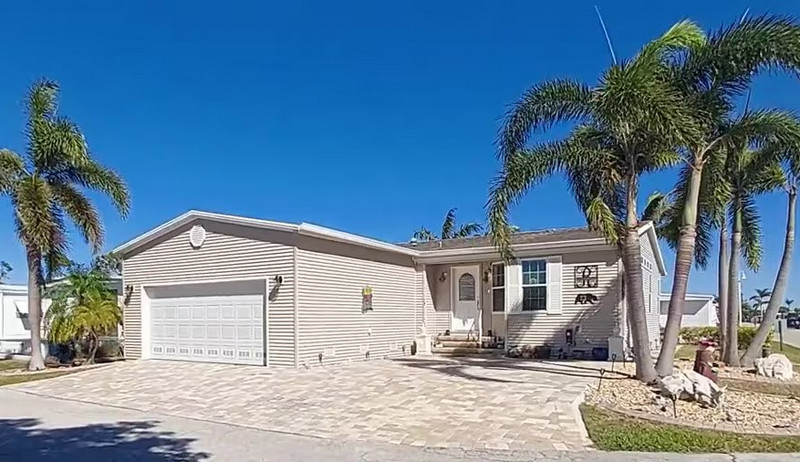
Roofing plays an essential role in protecting mobile homes from Florida’s weather. Heavy rainfall, strong sun exposure, and winds can wear down traditional roofing materials quickly. Metal roofing is a durable upgrade that can last several decades longer than standard shingles. Metal roofs also reflect sunlight better, helping reduce indoor temperatures during peak heat months. Some homeowners add reflective coatings or “cool roof” surfaces to further enhance energy efficiency.
Another advantage of metal roofing is its ability to resist mildew and moisture buildup, which is important in humid environments. Choosing a roof upgrade can significantly extend a home’s lifespan and reduce long-term maintenance costs.
- Resists strong winds and heavy rain
- Can lower interior temperature by reflecting heat
- Requires minimal maintenance and provides long-lasting durability
Insulated Skirting for Energy Control
The underside of a mobile home is vulnerable to heat, moisture, and pests. Adding insulated skirting helps protect this area while improving overall energy efficiency. Skirting acts as a barrier that keeps conditioned air inside and prevents outdoor temperatures from affecting indoor comfort. Insulated materials also help discourage rodents and insects from nesting under the home.
Skirting can also enhance the exterior appearance of a mobile home and contribute to improved curb appeal. Because it creates a more sealed environment beneath the structure, it can also help prevent moisture from accumulating, which reduces the risk of structural damage over time.
- Keeps the interior temperature balanced
- Discourages pest and moisture intrusion
- Can improve the exterior appearance of the home
Hurricane Straps and Reinforcement Systems
Due to Florida’s hurricane risk, securing a mobile home against high winds is a crucial upgrade. Reinforcement systems such as hurricane straps and tie-downs help anchor the home to the ground. These systems improve stability and reduce movement during storms. Many insurance providers may also offer reduced premiums to homeowners who complete these upgrades.
Florida building codes also require certain wind-zone safety features, so making sure the home meets or exceeds these standards is essential for safety and compliance.
- Improves home stability during storms
- May lower insurance costs
- Gives potential buyers greater peace of mind
Ventilation, Insulation, and Indoor Air Control
Efficient ventilation and insulation are key to managing humidity and heat. Installing new insulation in walls, floors, and ceilings can help regulate interior temperatures, especially in mobile homes that were originally built with minimal insulation. Spray foam insulation is a common choice because it forms an airtight seal and prevents moisture from entering.
Upgrading ventilation systems, including roof vents and HVAC units, also helps reduce indoor humidity. Improved airflow reduces the risk of mold and mildew, promoting a healthier indoor environment.
- Helps maintain consistent indoor temperatures
- Reduces risk of mold and mildew buildup
- Lowers overall energy usage
Exterior Siding Enhancements
Replacing or upgrading exterior siding can help improve weather resistance, reduce maintenance needs, and enhance curb appeal. Vinyl siding is affordable, but fiber cement siding provides stronger resistance to heat, moisture, and pests. Modern siding materials often include UV-resistant coatings to maintain appearance in strong sunlight.
- Improves durability against humidity and heat
- Reduces long-term maintenance requirements
- Boosts exterior appearance and resale value
Frequently Asked Questions
Are mobile home upgrades expensive?
The cost varies based on materials and project size, but many upgrades can be done gradually to spread out expenses.
Can mobile home upgrades increase resale value?
Yes, well-planned upgrades can make a home more desirable to buyers and increase market value.
Do I need permits for upgrading?
Some upgrades require permits, especially structural or roofing work.
What are the best upgrades for energy savings?
Energy-efficient windows, insulation, and metal roofing provide strong energy savings.
How can I improve storm protection?
Hurricane straps and reinforced roofing upgrades are essential for protection.
Which flooring is best for Florida humidity?
Waterproof vinyl plank and tile flooring hold up well in humid environments.
How long do metal roofs last?
Metal roofs typically last between 40 and 70 years with proper maintenance.
Can solar panels be used on mobile homes?
Yes, if the roof is structurally prepared for installation.
Is insulated skirting worth it?
Yes, it reduces energy loss and helps control moisture and pests.
Do outdoor upgrades help resale value?
Landscaping and outdoor living spaces often increase buyer interest and value.
Final Thoughts
Mobile home upgrades are a practical way to increase durability, comfort, and energy efficiency in Florida’s climate. Many homeowners choose improvements such as energy-efficient windows, metal roofing, insulated skirting, and hurricane reinforcement straps to better protect their homes from heat and storms. Additional upgrades like waterproof flooring, ventilation improvements, and exterior siding enhancements can also improve daily living and boost long-term value. With thoughtful planning, these upgrades can transform a mobile home into a safe, efficient, and comfortable place to live for many years.